

Kayode Egbetokun and the difficult path of police reform in Nigeria - The Nation Newspaper
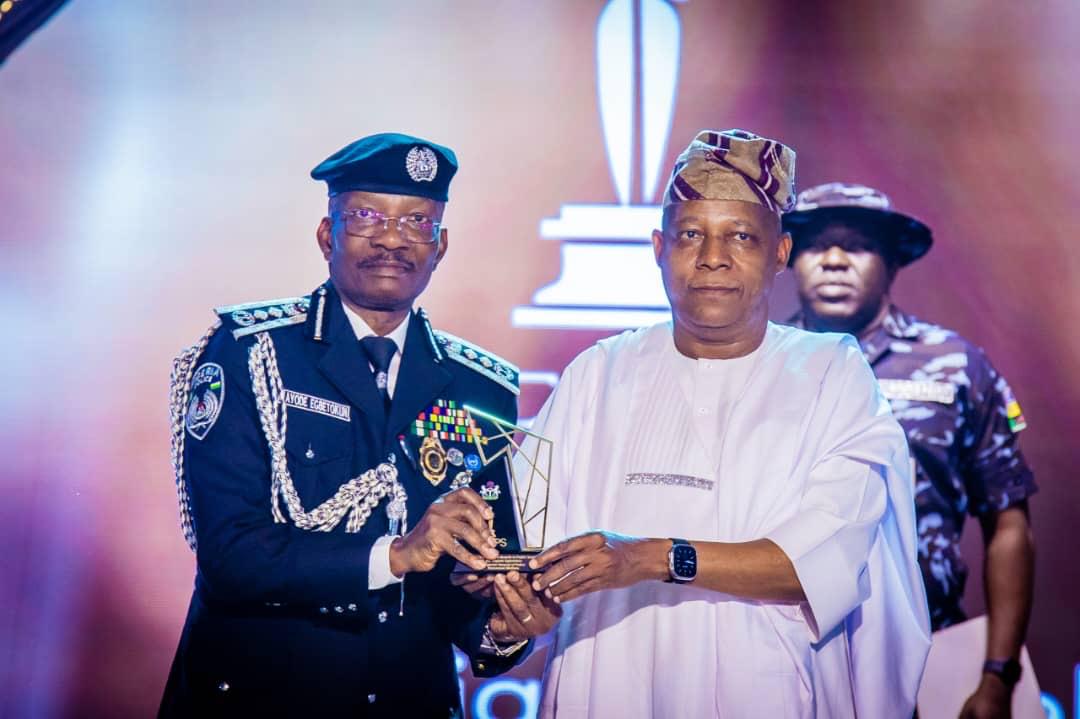
- Super Admin
- 06 Mar, 2026

Few public offices in Nigeria carry as much pressure, scrutiny, and expectation as that of the Inspector-General of Police. It is a position that sits squarely at the intersection of public safety, national stability, and citizen trust. Whoever occupies that office must confront crime, manage an institution of more than 300,000 personnel, and navigate the complex politics of national security. When Kayode Egbetokun assumed office as Nigeria's 22nd Inspector-General of Police in June 2023, he stepped into one of the most demanding security environments in the country's recent history. Nigeria was grappling with kidnapping, banditry, cybercrime, and organized criminal networks spreading across multiple regions. Against this backdrop, Egbetokun's tenure became defined by a central ambition: to reform the Nigeria Police Force while simultaneously confronting immediate security threats. The imperative of reform Every Inspector-General inherits the long-standing structural challenges of the Nigeria Police Force. Chronic underfunding, manpower shortages, welfare deficits, and outdated infrastructure have repeatedly undermined effective policing. Egbetokun approached this challenge with a reform-oriented agenda. His administration introduced structural adjustments aimed at strengthening professionalism, improving welfare, and modernising policing systems. One of the most notable institutional reforms during his tenure was strengthening the legal and investigative capacity within the Force. The Police Legal Department was upgraded to a full Directorate, while reforms within the Force Criminal Investigation Department introduced merit-based entry requirements to enhance the quality of criminal investigations. At a time when public confidence in policing required rebuilding, such institutional reforms were not cosmetic; they were foundational. Operational policing in a complex security climate Alongside administrative reforms, operational policing intensified. Under Egbetokun's leadership, police operations across the country led to the arrest of tens of thousands of criminal suspects, the rescue of kidnapped victims, and the recovery of large caches of illegal firearms and ammunition. These successes occurred within an environment where criminal networks operate across vast geographical spaces and exploit Nigeria's porous borders and socio-economic vulnerabilities. In response, the Nigeria Police Force adopted a stronger emphasis on intelligence-led policing, relying on strategic intelligence gathering and coordinated operations rather than purely reactive deployments. Innovation in security architecture Perhaps one of the defining features of Egbetokun's tenure was the introduction of specialised policing structures designed to respond more effectively to emerging threats. Among these initiatives was the creation of the Special Intervention Squad, an elite operational unit tasked with responding rapidly to high-risk security situations and organised criminal activity. Equally significant was the establishment of the Schools Protection Squad, a national initiative aimed at safeguarding educational institutions against attacks and strengthening the safety of students and teachers across the country. In a country where school attacks have previously shaken national confidence, the initiative represented an important step toward restoring security within the education system. Technology and modern policing Modern policing cannot succeed without technology. Egbetokun's administration therefore prioritised digital transformation within the police force. New technology-driven systems were introduced to improve public access to emergency services, including digital reporting platforms and automated service delivery systems. The Nigeria Police Force also strengthened its cybercrime enforcement capacity through the National Cybercrime Centre, which recovered significant financial assets from cybercriminal networks and returned them to victims. These developments signalled a shift toward a more technologically responsive policing institution. Welfare and institutional morale Beyond crime fighting, Egbetokun consistently emphasised the importance of police welfare. His administration pursued large-scale rehabilitation of police barracks, introduced a housing reform framework for officers, and upgraded police medical services to improve healthcare for personnel and their families. Such initiatives may not dominate headlines, but they are essential to the morale and effectiveness of law enforcement institutions. A motivated police force is ultimately a more effective police force. Gender inclusion and institutional culture Another notable dimension of Egbetokun's tenure was the emphasis on gender inclusivity within the Nigeria Police Force. Under his leadership, gender-based violence desks were expanded across police divisions to improve response systems for victims. Female officers also reached new leadership milestones within the institution, reflecting a gradual transformation in the culture of policing leadership. These developments signalled an evolving recognition that modern security institutions must reflect the diversity of the societies they serve. The Reality of institutional transformation Critics of policing in Nigeria often expect immediate and sweeping change. Yet the reality is that reforming a large national institution like the Nigeria Police Force is a long and complex process. Security challenges are deeply intertwined with socio-economic conditions, governance structures, and regional instability. Egbetokun's tenure, therefore, represents a chapter within a broader national journey toward institutional reform. Some of the initiatives introduced during his leadership will require years of sustained effort to fully mature. A legacy still being written Public debate surrounding leadership transitions often overshadows the deeper institutional questions that matter most. What ultimately matters is whether each leadership tenure strengthens the institution it inherits. By that measure, Egbetokun's time in office was marked by deliberate attempts to reposition the Nigeria Police Force through reforms, operational innovation, technological advancement, and welfare improvements. Nigeria's policing challenges remain formidable. But progress in security institutions rarely arrives in dramatic moments. It is built gradually through reforms, institutional learning, and sustained leadership commitment. In that sense, the true legacy of Kayode Egbetokun may not lie solely in the controversies that accompanied his exit from office, but in the reform trajectory he helped advance within one of Nigeria's most critical national institutions. And in the difficult journey toward building a more professional and effective police force, every reform step counts Source: https://thenationonlineng.net/kayode-egbetokun-and-the-difficult-path-of-police-reform-in-nigeria/
Leave a Reply
Your email address will not be published. Required fields are marked *