

Control risks: Second wave of geopolitics to impact West Africa's food prices - CNBC Africa
- Super Admin
- 06 Mar, 2026

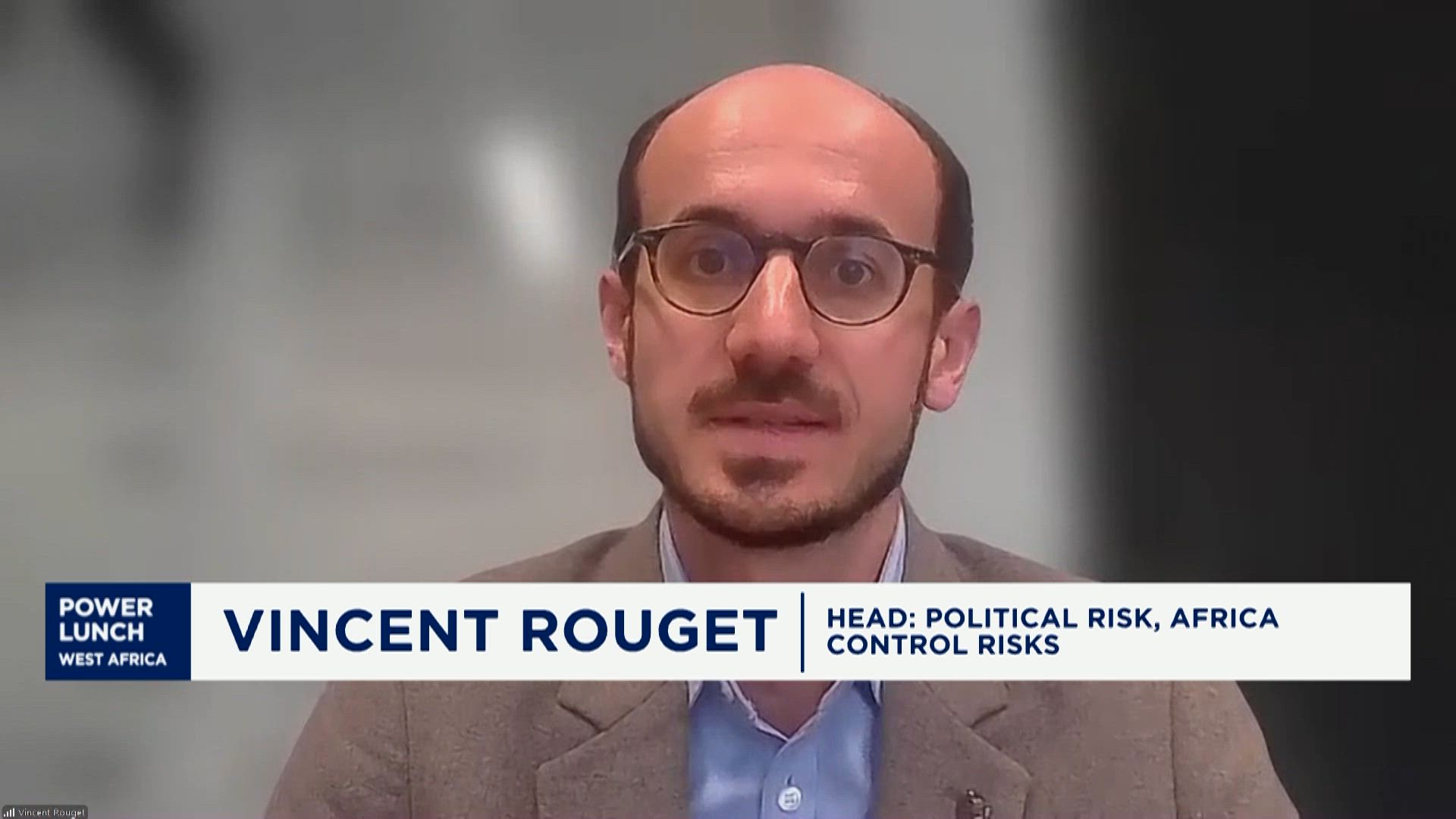
As the geopolitical landscape witnesses another wave of instability with the joint military operations by Israel and the United States against Iran, the ripple effects are reverberating far beyond the epicenter in the Middle East. Vincent Rouget, Principal for Africa at Control Risks, warned that the ongoing military actions could ignite a second wave of economic disruptions affecting West Africa, primarily through elevated fertilizer and food prices. In an exclusive discussion, Rouget emphasized the severity of the conflict, noting its persistence into its seventh day. He pointed out the strategic maneuvers by Iran targeting energy infrastructures throughout the Gulf. "Iran knows it can't win on the battlefield, so its retaliation is economic," Rouget explained, highlighting that Iran's economic pressure strategy is a tactic aimed at inflicting costs on the US and its allies. He offered a somber assessment of the potential for de-escalation, suggesting that relief from hostilities remains a distant prospect. West Africa, already grappling with economic challenges, stands on the brink of feeling the brunt of the conflict through two primary channels: surging energy prices and complicated logistics. Oil prices have surged in response to the tensions, experiencing the most significant weekly increase since 2020. Disruptions in the Strait of Hormuz are exacerbating the situation, inflating import bills and transport costs, and feeding into the already high inflation pressures in the region. This spike in energy costs is compounded by logistics challenges, as shipping lines impose war-related surcharges on cargo headed to African destinations. Not confined to the East African coast nearest the conflict, these surcharges are impacting the entire continent, further escalating input costs. Rouget highlighted the urgency for West African governments to mitigate these impacts. He stressed the importance of keeping oil price spikes from transforming into supply shortages, with governments already assessing and bolstering their fuel storage capacities. However, smaller economies, with their constrained storage capacities and heavy dependencies on Gulf oil, are particularly vulnerable. Furthermore, the conflict threatens crucial agricultural inputs such as fertilizers, with the Middle East being a significant supplier of these products to Africa. Prolonged disruptions into the second quarter could particularly hinder planting seasons in May and June for many West African countries, imperiling cereal crop outputs. Beyond fertilizers, the conflict's impact extends to critical industrial inputs like sulfur, essential for copper production in Central Africa. Rouget notes significant concerns for countries like the DRC and Zambia should these disruptions persist. For African central banks, the conflict presents a new financial conundrum. The recent trajectory towards monetary easing, prompted by cooling inflation, now faces roadblocks as policymakers may need to pause interest rate cuts amidst rising oil prices and inflation fears. Rising import bills and increased hard currency demand may exert further inflationary pressures across the continent. Regionally, currency stability presents a mixed picture. While Nigeria and Ghana have recently enjoyed some currency stability, South Africa faces inflationary pressures exacerbated by its currency dynamics. As these geopolitical tensions create new economic realities, stakeholders across West Africa are preparing for an uncertain future, where proactive measures and strategic foresight will be vital in mitigating potential shocks. Source: https://www.cnbcafrica.com/media/7772800056361/control-risks-second-wave-of-geopolitics-to-impact-west-africas-food-prices-
Leave a Reply
Your email address will not be published. Required fields are marked *