
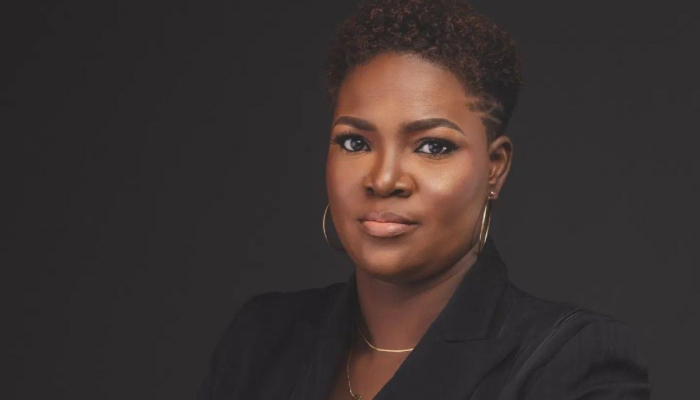
Teams that win blend commercial rigour, creative fit, and data fluency - Remilekun - Businessday NG
- Super Admin
- 08 Mar, 2026

Remilekun Dosumu, head of media buying and investment at PHD Media, is a seasoned professional who steers the affairs of a leading media organisation in Nigeria with flair and impact. In this interview, she shares insights on the importance of fostering psychological safety within teams during tough investment decisions. Excepts by JOHN SALAU: March is usually a special month for women globally with the annual International Women's Day celebration. As a woman in leadership, what is your reaction to this year's theme, 'Give To Gain'? This year's theme, "Give To Gain," speaks to the reality of how growth happens in our industry and in our careers. Most of the opportunities I have had over the years came because someone shared knowledge, opened a door, or trusted me with responsibility. It's called an act of giving. Whether it's time, mentorship, or opportunity, it creates a cycle where everyone benefits. In advertising, we work in an environment that continues to evolve. The more we share insights, collaborate, and support the next generation of professionals, the stronger the industry becomes. I have always believed that when you invest in people, you gain stronger teams, better ideas, and more impactful work. Just like I tell my team, success is not just about individual achievement. It is also about lifting others as you grow and contributing to a culture where people are empowered to do their best work. What is your view on women in your industry? Women have always played a significant role in shaping the advertising and media industry, and that influence continues to grow. From strategy to media investment and creative development, women are contributing ideas and perspectives that help brands connect more meaningfully with audiences. There is no doubt that we see many talented women in the industry. However, there is still room to increase representation in senior leadership and decision-making roles. Creating pathways for growth, mentorship, and leadership development will be important in closing that gap. In my experience managing teams and media investments, I have seen how diverse perspectives strengthen strategic thinking and innovation. When women are empowered to lead and contribute at every level, the industry benefits creatively and in how we understand and engage the audiences we serve. But I'm optimistic about the future. There is a strong generation of women coming into advertising. These women are ambitious, skilled, and ready to shape the next phase of the industry. As a woman in media space, can you walk us through a major campaign where the stakes were high and things did not go as planned initially, how you responded, and what your team learned from it? That's a great question. One campaign was a major launch that cut across high-profile sponsorships like the English Premier League, Big Brother Naija, and the AMVCAs. The ambition and the stakes were massive. First, we wanted to create a synchronized burst of visibility that tied all our touchpoints together and made a statement across TV, digital, and social media. But as we rolled out the campaign, we quickly noticed that our initial plan had created too much overlap. Our TV and social channels peaked at the same time. The engagement was strong, but our overall reach was not growing as much as we expected. Even more, our attribution setup was missing assisted conversions. It meant we were not getting the full picture of performance and impact. Instead of pulling back, we did a quick post-launch diagnosis. We decided to stagger our media flights to build incremental reach. We allowed each platform its own moment rather than force them to compete for attention. We also adapted our TV creatives for other formats. We tweaked them for social and creator-led content so they felt more native to each environment. Also, we improved our measurement approach with a more layered model that included Marketing Mix Modeling, Multi-Touch Attribution, brand lift studies, and holdout testing. And the adjustments worked. Our reach expanded and we gained deeper insights into how different channels influenced each other. The key takeaway for my team was that you do not stack moments, you orchestrate them. Every platform should play its part in sequence, not in chaos. Equally fit creative to the medium and measure performance through multiple lenses. That is how you find both clarity and impact in a big, multi-channel campaign. Could you tell us about trust building with your team and clients as a media professional? In terms of building trust, especially during tough investment calls or when I have to push back on popular ideas, I have learned that clarity and consistency are everything. So, I'm always clear about trade‑offs. Not every decision will please everyone, but if people understand the reasoning, the data behind it, and the principles guiding it, they usually buy in. I try to be consistent in the standards we apply across all our campaigns and investment decisions. And I think courage matters -- especially when the data says "no" to something that looks exciting on paper. I make it a point to show the numbers clearly: incremental reach, cost per action, contribution to the overall business goal. Then I present options -- not just a single verdict -- outlining the pros and cons of each path. We also document these decisions, so both the process and outcomes stay transparent. With my team, trust begins with psychological safety. I'm very open to challenges; in fact, I encourage them, as long as we back up our opinions with data. When it comes to clients, I commit to learning sprints and transparent post‑mortems so trust grows through results. How would you say your strategic vision for media buying evolved with changes in data, technology, and consumer behaviour? Our strategic vision involved three shifts. From impressions to outcomes, we optimise for business impact, not just gross rating points. The second strategy was monthly plans and adaptive systems. We set guardrails like price floors, pacing and audience rules, and then adjust in real time. Our third media strategy evolved from siloed channels to full‑journeys. We connect live events like social and creator, search/retail media and conversion with unified measurement. As a follow up to that, how do you bring your team along with that vision? I make it practical: playbooks (sponsorship orchestration, creator standards, retail media integration, measurement), war rooms for high‑stakes moments, two to three week learning sprints with demos, and strong decision hygiene (pre‑mortems, live dashboards, post‑mortems). Everyone knows the plan, the rules, and the next best action. There is a notion that media investment involves large budgets, constant deadlines, and real‑time performance shifts; what do you say? Media investment does come with big budgets and constant pressure. So, what we do is design for resilience. We set clear guardrails around frequency, brand safety, and pricing, and keep a "data‑first calm" like validate before reacting. Everyone has defined ownership across buying, optimization, creative fit, analytics, and comms, which keeps execution smooth. We also manage energy through rotations and coverage for live events. Quality stays high because the system is clear, stable, and built to handle pressure. Can you share an example of a time you developed someone on your team into a stronger leader in media buying or investment? A strong analyst hesitated to challenge stakeholders. I set a path: war‑room shadowing, owning a retail media pilot with weekly exec readouts, and communication coaching. In two quarters, she led a reallocation that improved incremental reach by 14 percent and reduced CPA by 11 percent. More importantly, she became a trusted advisor to peers - confidence built on clear outcomes. How do you keep communication open and constructive among clients? We use a single source of truth (live dashboards), Red/Amber/Green signals for quick action, and option sets (2 to 3 choices with projected impact, risks, and cost). We escalate issues early, privately; celebrate wins publicly. Decisions are fast because everyone sees the same facts and the same thresholds. If you were asked to describe your leadership style in three words, on the back of your day‑to‑day work leading media buying and investment at your current workplace; what would it be? I will start with resilience. I like to think I turn setbacks into learning and rapid fixes. Authentic: I'm transparent about constraints and honest about what we know - and what we'll test next. Visionary: I build systems - integrated sponsorships, connected commerce, and measurement that earns bigger, smarter budgets. Finally, tell us about media investment? I would like to say that media investment is about engineering outcomes, not just buying spots. The teams that win blend commercial rigour, creative fit, and data fluency. I'm a firm believer that we will learn fast, decide clearly, and deliver work - we are proud of every quarter. Source: https://businessday.ng/interview/article/teams-that-win-blend-commercial-rigour-creative-fit-and-data-fluency-remilekun/
Leave a Reply
Your email address will not be published. Required fields are marked *