
Cases Of Dementia, Not Receiving Adequate Attention In Nigeria -- NEEGLAR Foundation
- Super Admin
- 08 Mar, 2026

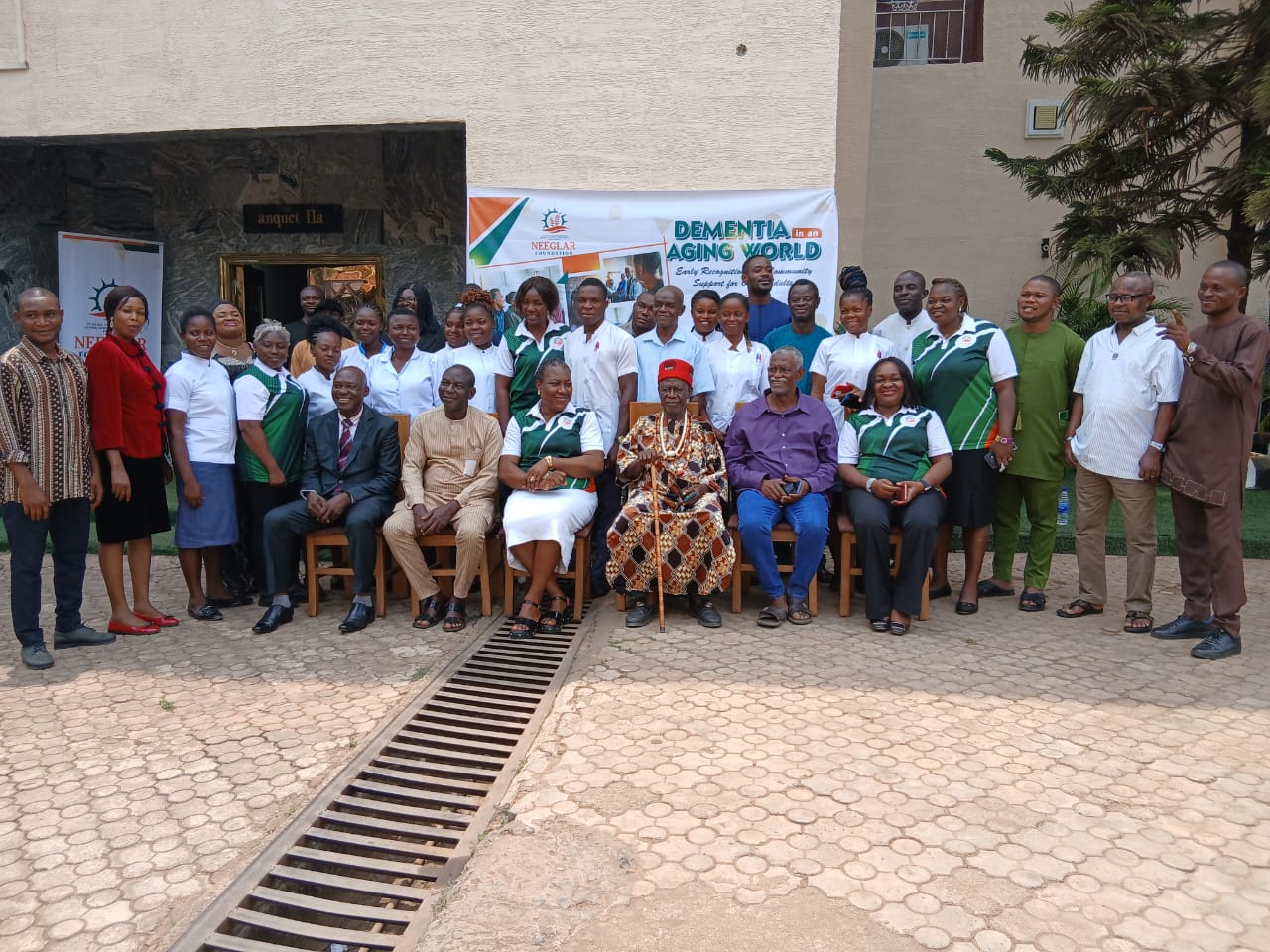
The NEEGLAR Foundation, a non-governmental organisation (NGO), has expressed concern that the increasing cases of dementia in Nigeria are not receiving the required attention from relevant stakeholders. To strengthen community-level response to dementia in Ebonyi State, the organisation recently organised a one-day workshop in Abakaliki, the state capital. The strategic capacity-building workshop was themed "Dementia in an Ageing World: Early Recognition and Community Support." Speaking at the event, the Executive Director of NEEGLAR Foundation, Chinenye Azu Udu, said cases of dementia are not receiving adequate attention from stakeholders across various sectors in Nigeria. The interactive event attracted participants from diverse sectors, including the health sector, traditional institutions, nutritionists, and the media. It featured lecture presentations delivered both physically and virtually via Zoom. Udu noted that dementia remains largely under-recognised and misunderstood across the country. "Across Nigeria, dementia remains under-recognised, under-documented, and often misunderstood. In many communities, symptoms are attributed to ageing myths rather than clinical conditions. This gap leads to delayed diagnosis, caregiver burden, and social exclusion of older persons," she said. She added that sustainable change in addressing dementia must begin at the primary healthcare level. "At NEEGLAR Foundation, we believe that sustainable change begins at the primary healthcare level. Frontline health workers are the first point of contact for most families. By strengthening their capacity, we strengthen the entire health response chain," she stated. According to her, the key objectives of the workshop include improving early recognition of dementia symptoms, enhancing structured referral pathways, strengthening caregiver education and support, promoting stigma reduction through community awareness, and improving documentation for evidence-based planning. Udu further explained that data generation is a critical component of the initiative. She said pre- and post-training assessments, field documentation, and follow-up monitoring would help measure knowledge improvement, referral trends, and community engagement outcomes. She also acknowledged the contribution of the initiative's research lead. "I would like to specially recognise our Research Lead for this Dementia Initiative in Ebonyi State, Kelechi Eluigwe, who is coordinating the research framework and technical implementation of this programme. Her leadership ensures that this intervention is evidence-based, measurable, and aligned with best practices in community health systems strengthening," she said. Delivering his lecture, Cyprian Ogbonna explained that Dementia is a progressive neurological disorder characterised by a steady decline in memory. He noted that memory loss is a serious clinical condition that poses significant challenges to patients, their families, and society at large. According to him, in severe cases, individuals experiencing memory loss may be unable to remember personal information about themselves, their families, or even their investments. Ogbonna also warned that poor dietary habits among many families worsen brain health, particularly due to excessive consumption of processed foods. "The brain requires adequate and guided nutrition to function effectively. The brain uses about 20 per cent of the body's energy," he said. If you want, I can also help you tighten it further to a sharper newspaper style (about 20-25% shorter) the way editors prefer for publication. Source: https://independent.ng/cases-of-dementia-not-receiving-adequate-attention-in-nigeria-neeglar-foundation/
Leave a Reply
Your email address will not be published. Required fields are marked *