

Can the Senate truly hold Mele Kyari accountable? - Businessday NG
- Super Admin
- 08 Mar, 2026

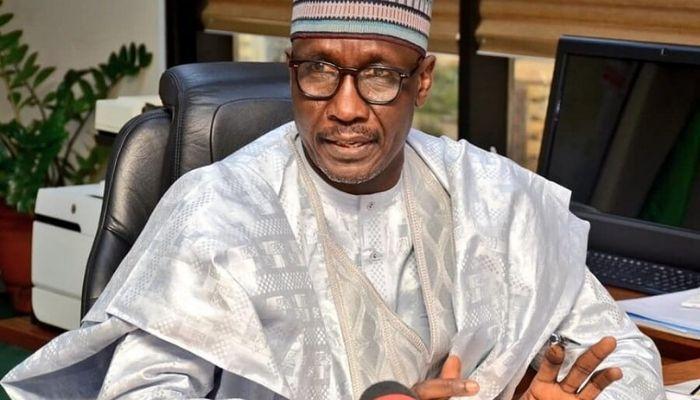
The Senate has once again reopened the probe into the alleged N210 trillion in unaccounted funds linked to the national oil company, a controversy that has lingered through multiple oversight sessions and closed-door meetings. The probe started last June when the Senate, through its Committee on Public Accounts, asked the NNPCL to provide detailed explanations regarding discrepancies amounting to over N210 trillion in its audited financial statements from 2017 to 2023. The panel raised concerns over the company's records and raised concerns over unexplained figures under "accrued expenses" and "receivables" in the reports. After a number of back and forths between the Senate and NNPCL, the chairman of the committee, Aliyu Wadada, stated that it had received the report of the oil company and would do the needful. Read also: Senate summons Mele Kyari, Ajia, others over unaccounted N210trn It all went quiet until last Thursday, when the issue was reopened, and Lawmakers also raised concerns about the expenditure of N5 billion by the national oil company on the transition of its name from Nigerian National Petroleum Corporation (NNPC) to Nigerian National Petroleum Company Limited (NNPCL). At the centre of the fresh storm is Mele Kyari, the former Group Chief Executive Officer of the Nigerian National Petroleum Company Limited. The decision to summon the former management team was reached during a meeting of the Senate committee held on Thursday. Wadada, who announced the resolutions to journalists, explained that the summoned former management team should appear before the committee alongside the current management, led by Bayo Ojulari, the incumbent GCEO. Announcing the resolutions, Senator Wadada said, "NNPCL should refund the sum of N210 trillion, being the combined sum of N103 trillion and N107 trillion, which were not properly accounted for as contained in the audit reports. "NNPCL should and must account for the two figures." For observers of the National Assembly, the question is not merely whether lawmakers can investigate the missing funds. The more consequential question is whether the Senate possesses the political will to hold Kyari accountable after years of interactions that have often unfolded far from public scrutiny. The Senate's renewed probe The Senate's latest move to revisit the alleged financial discrepancies tied to NNPC operations has revived long-standing concerns about transparency in Nigeria's oil sector. During Kyari's tenure, the oil company underwent a major transition following the enactment of the Petroleum Industry Act, which transformed the old state corporation into a limited liability company. That transition was meant to usher in a new era of accountability and commercial discipline. Instead, critics argue that it has created a complex structure that makes parliamentary oversight more difficult. The reopening of the probe indicates that lawmakers believe the earlier explanations from NNPC management were either incomplete or unsatisfactory. The scale of the alleged unaccounted funds running into trillions of naira raises profound questions about revenue management in Africa's largest oil producer. But the Senate's renewed interest also exposes an uncomfortable reality: the legislature has previously had multiple opportunities to interrogate these issues. The pattern of closed-door sessions Throughout Kyari's tenure, Senate committees repeatedly summoned NNPC officials over fuel subsidy payments, crude oil revenue remittances, and financial reporting. Yet many of the most consequential meetings occurred behind closed doors. Such sessions are not unusual in parliamentary practice. Sensitive national matters sometimes require confidential briefings. However, in the Nigerian context, these meetings often leave the public with more questions than answers. Read also: Senate expands CBN's oversight powers to fintech, shuns proposal for standalone regulator On several occasions, Kyari appeared before Senate committees only for proceedings to shift into executive sessions shortly after discussions began. Once the doors closed, lawmakers emerged with assurances that matters had been "clarified." What was clarified -- and to whom -- remained largely unknown. For journalists covering the legislature, those moments became familiar theatre: stern questions during the open segment, a swift transition into secrecy, and afterwards, a carefully worded statement suggesting that misunderstandings had been resolved. The Senate's constitutional role includes investigating how public funds are spent. Under the Nigerian constitution, it has powers to summon officials, request documents, and make recommendations for sanctions or prosecutions. However, legislative oversight in Nigeria often operates within a political ecosystem where institutional interests overlap with partisan considerations. Kyari's leadership of NNPC coincided with periods when the oil company played an outsized role in managing the country's fiscal pressures, from subsidy payments to crude-backed loans. These responsibilities made the corporation both indispensable to the executive and politically sensitive to lawmakers. As a result, oversight sometimes appeared less like confrontation and more like negotiation. Critics argue that the repeated closed-door engagements between Kyari and lawmakers created an atmosphere where scrutiny softened into accommodation. Another obstacle facing the Senate is continuity. Parliamentary investigations in Nigeria frequently lose momentum due to leadership changes, shifting political priorities, or the sheer volume of competing legislative business. When a probe stretches across multiple sessions or committees, the trail of accountability can become blurred. In the case of NNPC, previous inquiries have produced reports, recommendations, and promises of reform. Yet implementation has often lagged behind rhetoric. The reopening of the alleged N210 trillion discrepancy therefore raises a difficult question: is the Senate revisiting unfinished oversight, or reopening an issue it previously failed to pursue to its logical conclusion? Even if the Senate uncovers irregularities, its powers stop short of prosecution. The legislature can investigate and recommend action, but actual criminal proceedings would depend on law-enforcement agencies. That distinction matters. For Kyari to be "tried" in any legal sense, agencies such as the Economic and Financial Crimes Commission or other investigative bodies would need to establish prosecutable offences. The Senate's findings could trigger such investigations, but they cannot substitute for them. This means the Senate's most powerful tool is not punishment but exposure. By bringing evidence into the public domain, lawmakers can compel the executive branch to act. Whether the Senate will pursue the matter aggressively depends less on legal authority than political will. Investigations that touch the heart of Nigeria's oil economy inevitably intersect with powerful interests. Oil revenues remain the backbone of government finances, and any inquiry into the sector risks exposing uncomfortable truths about how those revenues are managed. In such an environment, legislative probes often evolve into delicate balancing acts: asserting oversight without destabilising the political equilibrium.This reality has shaped many past confrontations between lawmakers and the national oil company. For ordinary Nigerians, the reopening of the probe is about more than parliamentary procedure. It is about trust. Fuel subsidy controversies, opaque financial statements, and persistent revenue shortfalls have eroded confidence in the governance of the oil sector. If the Senate's investigation once again ends with vague assurances and closed-door explanations, it will reinforce the perception that oversight institutions are reluctant to confront powerful actors. Conversely, a transparent process, one that places evidence and testimony in the public domain could signal a shift toward greater accountability. Can the Senate deliver? The question, therefore, remains: can the Senate objectively scrutinise the actions of a man who has spent years engaging with lawmakers in confidential briefings and political negotiations? Institutionally, the Senate has the authority. Politically, the answer is less certain. Parliamentary history suggests that the effectiveness of such probes depends on whether lawmakers prioritise institutional credibility over political convenience. If the current investigation proceeds with openness and rigour, it could become a defining moment for legislative oversight in Nigeria's oil sector. Read also: Senate's Budget Defence of Commotion and Zero Releases If not, the reopened probe may simply join the long list of inquiries that generated headlines but left fundamental questions unresolved. Ultimately, the real test is not whether Kyari appears before the Senate again. It is whether the process produces verifiable answers about the alleged missing funds. For years, the interactions between NNPC leadership and lawmakers have been characterised by private conversations and public reassurances. This time, Nigerians will be watching to see whether those conversations finally translate into accountability. Or whether the familiar ritual of oversight will once again conclude behind closed doors. Source: https://businessday.ng/news/article/can-the-senate-truly-hold-mele-kyari-accountable/
Leave a Reply
Your email address will not be published. Required fields are marked *