

Nigeria's Electricity Drops to 3,940MW -- Here's How to Prepare for Worse Blackouts
- Super Admin
- 08 Mar, 2026

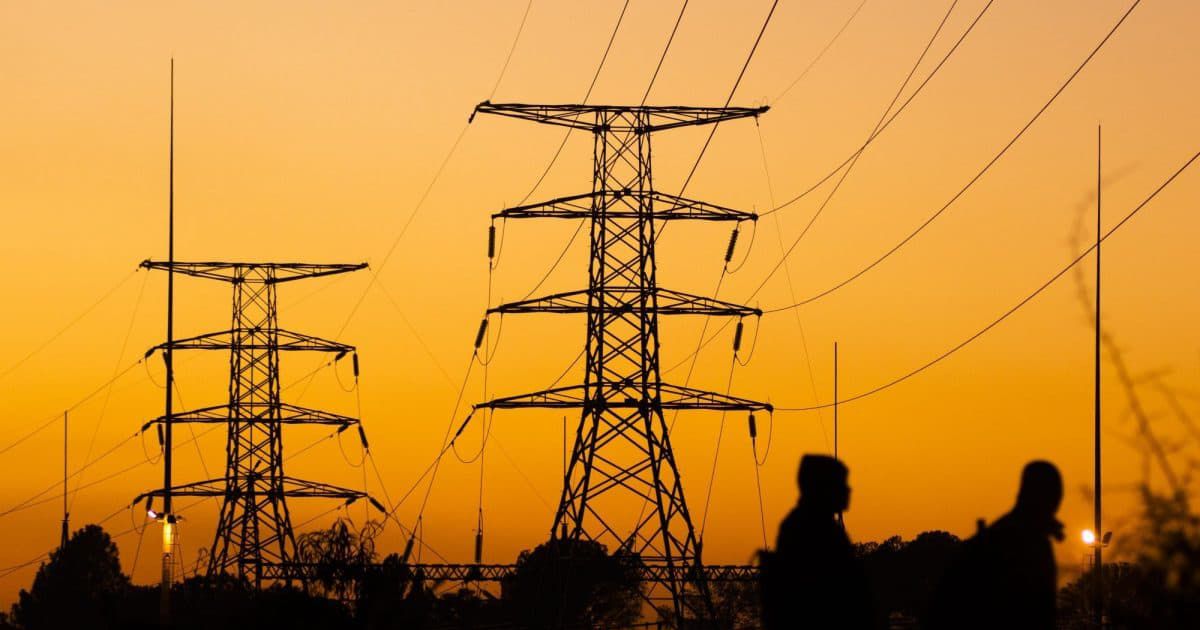
Nigeria's electricity generation has fallen below a critical threshold again. Here's what it means and how households can survive the looming outages. There's a number that keeps showing up whenever Nigeria's power situation gets tense: Four thousand megawatts. Once electricity generation drops below that line, things usually get rough: darker nights, longer outages, and for some, generators roaring in the background again. Right now, the country has slipped below it once more. According to a recent report by Pulse Nigeria, due to a persistent natural gas shortage, which was supplying thermal power plants across the country. Nigeria relies heavily on gas-fired power plants for electricity, meaning that when gas supply drops, power generation follows almost immediately. And this time, the shortfall is serious. Thermal plants need about 1,588 million standard cubic feet of gas per day, but they are currently receiving only about 652 million, which is . Read Next: While Nigerians have become experts at adapting to power shortages, a few strategies can make outages less disruptive. Candles and kerosene lamps used to be the backup plan. Not anymore. Rechargeable bulbs, solar lamps, and LED emergency lights are now cheaper and safer. They also last longer during extended outages. Even a small solar setup can power lights and charge phones throughout the night. Read Next: One of the most frustrating things about unstable electricity isn't just the blackout; it's when power suddenly returns and damages appliances. Voltage fluctuations can destroy TVs, refrigerators, and laptops. Surge protectors and stabilisers help reduce this risk, especially for expensive electronics. When the power comes on, don't assume it will stay on long. Charge everything immediately: phones, laptops, rechargeable lamps, power banks, and Wi-Fi routers. If your home relies on an electric water pump, this is the time to pump and store water. Many households now plan chores like ironing, blending, and cooking around these short windows of electricity. Read Next: For homes and small businesses that rely on generators, fuel management becomes important during extended outages. Avoid running generators unnecessarily; use them strategically. With petrol and diesel prices still high in Nigeria, every litre matters. Many Nigerians are gradually moving toward small backup systems like mini inverters, solar kits, or rechargeable generators. They may not power an entire house, but they can run lights, fans, TVs, and routers for several hours. For people who work remotely or run online businesses, that reliability can make a huge difference. Read Next: Frequent blackouts can quietly waste money through spoiled food. Try storing fewer perishable items, especially if outages last long. Freezers stay cold longer when they remain closed, so opening them less often can help preserve food during extended power cuts. Read Next: For a country of over 200 million people, generating around 4,000MW of electricity is extremely low. For context, some single cities in developed countries consume more power than that. but structural problems prevent the grid from reaching that level consistently. Several issues keep repeating themselves: Most Nigerian power plants run on gas. When pipelines are disrupted or supply contracts fail, plants simply stop generating electricity. You Might Be Interested In: The electricity market has accumulated massive debt. This discourages investment and slows infrastructure improvements. Pipeline vandalism, maintenance shutdowns, and weak gas distribution networks often disrupt supply. Even when power is generated, Nigeria's transmission network struggles to carry large volumes of electricity. All of this creates a fragile system. One disruption, like the current gas shortage, and the grid starts wobbling again. When electricity generation falls this low, distribution companies often begin load shedding, . That means some areas experience longer outages so that others can get a supply. Cold storage fails. Internet networks slow down. Small shops spend more on petrol and diesel just to stay open. In many parts of Nigeria, power supply already averages just a few hours per day, sometimes less. So when the generation dips further, the difference becomes obvious. The reality is that Nigerians have learned to adapt to unstable electricity in ways many countries never have to. Source: https://www.pulse.ng/story/nigeria-electricity-drops-3940mw-blackout-preparation-2026030608575476239
Leave a Reply
Your email address will not be published. Required fields are marked *