
Nigeria's Economy: In Or Out Of The Woods?
- Super Admin
- 08 Mar, 2026

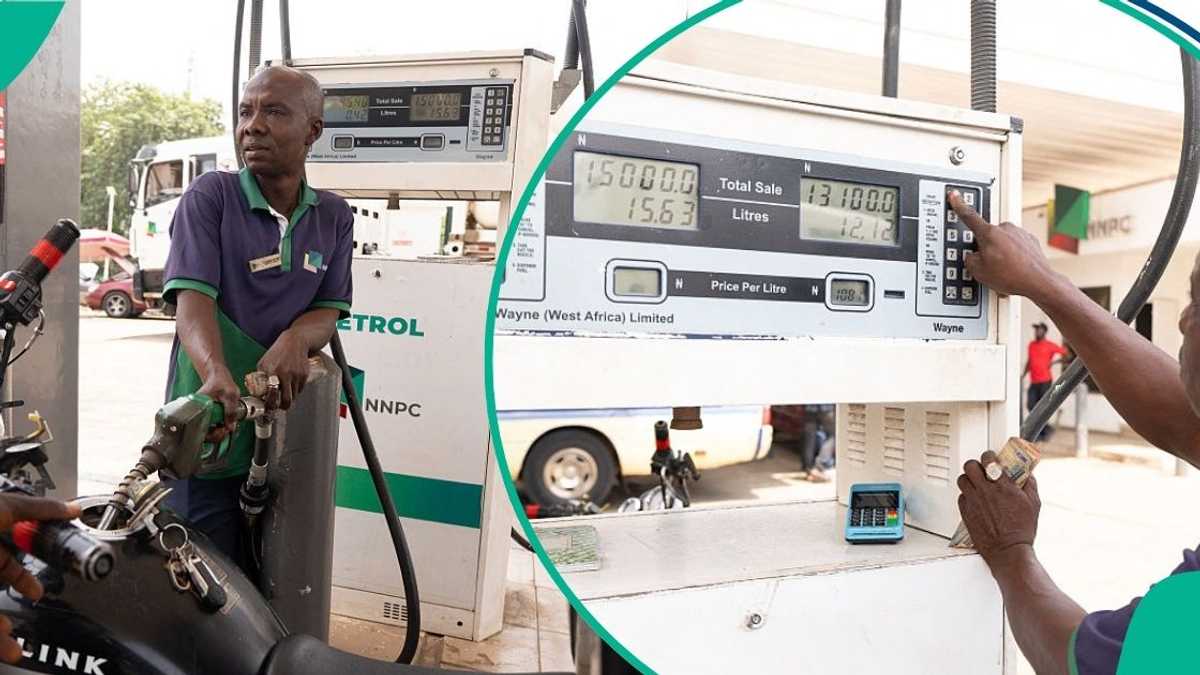
ABUJA - When President Bola Ahmed Tinubu recently declared that Nigeria was "out of the woods," his statement was met with a mix of applause, skepticism, and cautious optimism. Speaking at the presidential villa, Tinubu hailed the relative stability in the economy, security gains in some regions, and reform initiatives as evidence that Nigeria had begun to emerge from the protracted crises that have hampered governance, development, and public confidence for decades. But for many Nigerians, especially those grappling with rising living costs, sporadic insecurity, and governance inefficiencies, the president's assertion raises pressing questions: Out of which woods is Nigeria emerging, and how far is it truly from the forest of economic, social, and security challenges that continue to loom large? From the onset, the Tinubu administration inherited a complex economic landscape. Inflation had surged to double-digit levels, foreign reserves were under pressure, and unemployment remained stubbornly high. Within the first two years of his presidency, Tinubu launched a series of economic reforms, including revenue mobilization measures, tax reforms, and efforts to stabilize the naira. Data from the National Bureau of Statistics show that while inflation remains high, there has been some moderation in food price increases in recent months. The Central Bank's interventions have helped stabilize the foreign exchange market, with official rates now significantly less volatile than in previous years. Dr. Evelyn Obaseki, an economist with the Lagos-based Centre for Economic Studies, notes: "There are signs that macroeconomic fundamentals are slowly stabilizing. Government revenue collection has improved, and policy consistency in the oil and gas sector has helped restore investor confidence. "But these are early days, and for the average Nigerian, daily realities -- like electricity costs, transportation, and food prices -- remain challenging." Indeed, citizens across the country have expressed mixed feelings about economic improvement. In Abuja, Adeola Akande, a civil servant, says: "The markets seem calmer, and I can plan my monthly budget a bit better than last year. But inflation is still high, and many salaries have not caught up. 'Out of the woods' feels premature from a household perspective." Meanwhile, in Kano State, small business owner, Ibrahim Musa, describes the situation as "manageable but not fully comfortable." He adds, "Yes, the naira is stable, and goods are moving, but the cost of living is still high, and access to credit is difficult. For many Nigerians, the woods are not behind us; they have merely thinned." Another dimension of Tinubu's statement relates to security. The president points to a decrease in insurgency incidents in certain parts of the Northeast and successful operations against banditry and kidnapping in Northcentral Nigeria as evidence of progress. Security analysts acknowledge some achievements. Dr. Chukwuemeka Uche, a researcher at the Abuja Security Studies Institute, explains: "Military operations have regained territories in areas that were previously under insurgent control, and there is better coordination among the army, police, and civil authorities. But the security landscape remains fragmented, and threats from Boko Haram, ISWAP, and bandit groups persist." The arrest of high-profile insurgents, such as the notorious figure dubbed the 'Boko Haram Grandmother,' has symbolically boosted government credibility. Yet, experts caution against overgeneralization. "Security improvements are localized and fragile," Dr. Uche warns. "A claim that Nigeria is fully out of the woods overlooks the ongoing attacks in the Northwest and the complex dynamics of communal and criminal violence in other regions." Governors from the affected states have largely welcomed federal efforts but urge sustained attention. Governor Biodun Oyebanji of Ekiti State, during a recent National Governors' Forum session, remarked: "Coordination between state and federal security agencies is improving, but we must acknowledge the uneven progress. Nigerians expect consistent safety across all regions, not just pockets of calm." While macroeconomic stability and security gains are measurable, social realities often paint a different picture. Poverty, unemployment, and limited access to healthcare and education continue to challenge the government's narrative of recovery. Nigeria's Social Investment Programme, which includes cash transfers, food support, and job creation initiatives, has provided relief to millions. But critics argue that the scale is insufficient. Ms. Amina Yusuf, a social worker in Kaduna, observes: "These programs are helpful, but they cannot offset the everyday pressures on low-income families. The woods are not fully behind us when people are struggling to afford school fees, medical care, and basic food items." Health indicators are similarly mixed. The pandemic aftermath and intermittent strikes by health workers have strained service delivery. Dr. Ifeoma Nwankwo, a public health specialist, notes: "Life expectancy, maternal and child health indicators are improving slowly, but the system remains underfunded. Nigerians are resilient, but resilience is not a substitute for comprehensive health infrastructure." Governance reforms represent another area where Tinubu's claim can be tested. The administration has pushed forward policies to digitize government services, clamp down on graft, and enhance transparency in public procurement. The introduction of digital platforms for tax payments and government transactions has been particularly noted for improving efficiency. Transparency International's Nigeria chapter reports modest improvements in perceived government integrity, and several high-profile anti-corruption operations have demonstrated political will. Yet, many experts emphasize that institutional reforms take time to consolidate. "It is one thing to launch initiatives and another to embed them in a culture of accountability," says Prof. Olufemi Adegboye, a governance expert at the University of Lagos. Citizens, too, remain cautiously optimistic. In Ibadan, retired teacher Segun Adebayo remarks: "Yes, corruption cases are being pursued more openly, and some services are easier to access. But Nigerians will judge whether we are truly out of the woods when reforms impact their daily lives in lasting ways -- consistent power supply, better roads, reliable health services, and security in their neighborhoods." Nigeria's federal structure adds another layer of complexity. Regional variations mean that progress in Lagos or Abuja may not reflect realities in Zamfara or Benue. Governors from states that have implemented fiscal reforms, improved security strategies, or boosted industrial activity report positive trends. But leaders from resource-constrained or conflict-affected states warn that national averages can mask localized struggles. Governor Seyi Makinde of Oyo State commented recently: "We are witnessing improvements in governance in many states, but we cannot ignore regions where insecurity, unemployment, and poverty remain stubborn. National progress must be inclusive." Globally, Nigeria's image has been a mix of cautious optimism and skepticism. International investors have responded positively to stable foreign exchange rates, improved fiscal discipline, and enhanced anti-corruption measures. Moody's and Fitch Ratings have maintained relatively stable outlooks for the country, citing government reforms as a key factor. However, analysts warn that geopolitical risks, internal unrest, and global economic shocks could undermine these gains. "Investor confidence is real, but it is fragile," says Dr. Adeola Omotayo, a finance expert. "If local realities -- like persistent insecurity, weak judicial enforcement, and infrastructure deficits -- are not addressed, Nigeria could slip back into instability." On the streets, Nigerians express a nuanced view. Many acknowledge improvements in governance and macroeconomic management but remain skeptical about the claim that the nation is out of the woods. In Lagos, market trader Halima Abubakar states: "The woods may be behind the government's office, but for ordinary people, the trees are still everywhere. Prices are high, transport is difficult, and security is uncertain." Youth unemployment and underemployment further complicate the picture. Many young Nigerians are seeking opportunities abroad or in informal sectors, reflecting a disconnect between macroeconomic stability and human development outcomes. Civil society groups echo these concerns. Chinedu Nwokolo of the Policy and Citizens Alliance argues: "Tinubu's optimism is welcome, but it must be grounded in tangible improvement across all sectors and regions. Otherwise, public trust risks eroding." Assessing whether Nigeria is truly out of the woods requires a nuanced view. The country has indeed seen progress in economic management, security operations, and governance reforms. There are measurable improvements in investor confidence, reduced currency volatility, and targeted social interventions. Yet, persistent poverty, regional disparities, insecurity, infrastructural deficits, and social challenges indicate that the woods have not been fully left behind. For many Nigerians, daily life remains fraught with challenges that macroeconomic indicators may not fully capture. Tinubu's declaration, therefore, can be understood as both aspirational and symbolic -- an attempt to boost confidence domestically and internationally. Its realism, however, is contingent on the continued implementation of policies that tangibly improve the welfare of citizens, strengthen institutional resilience, and sustain security gains across all regions. Source: https://independent.ng/nigerias-economy-in-or-out-of-the-woods/
Leave a Reply
Your email address will not be published. Required fields are marked *