
Mid-East War: How FG Can Save Nigerians From Fallouts - Experts
- Super Admin
- 08 Mar, 2026

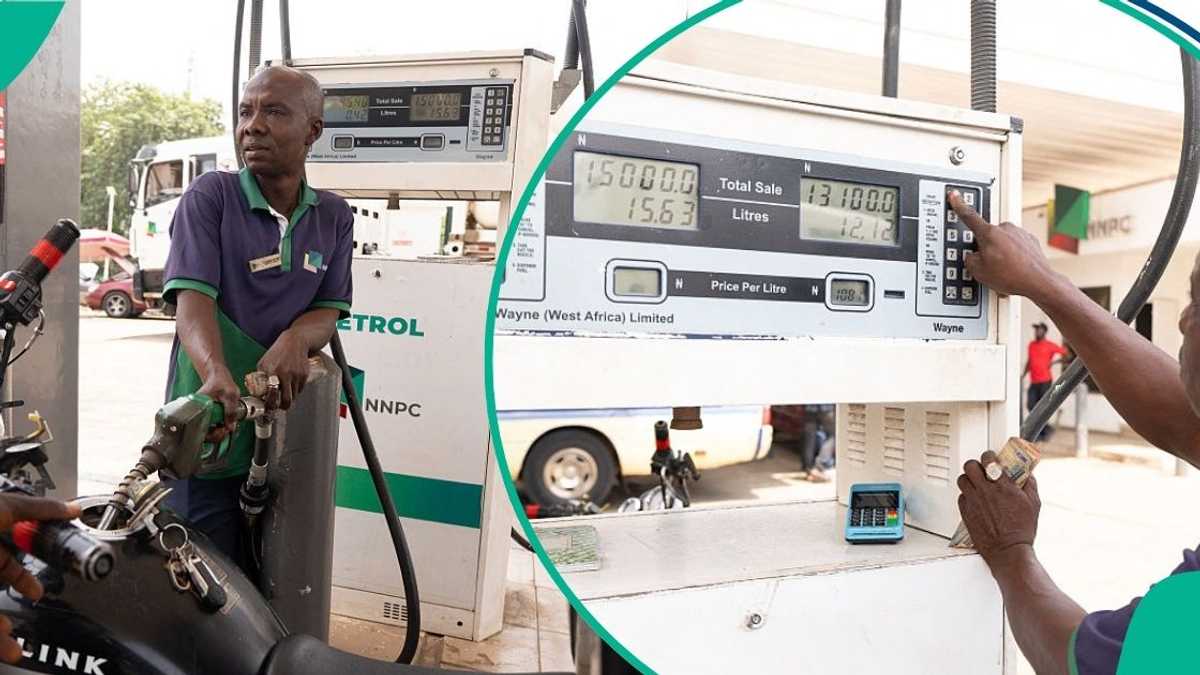
LAGOS - Experts in various fields have expressed worry over the likely spike in cost of living in Nigeria due to the escalation of the Middle East war and called on the Federal Government to quickly put in place safeguards to cushion the impact of the global crisis on Nigerians. Chief Martin Onovo, a petroleum engineer and a player in the nation's Oil & Gas industry, in a chat with Sunday Independent, wondered if stakeholders' recommendations on the crisis would be evaluated and if the President Bola Tinubu regime is interested in the security and welfare of citizens. Onovo, the 2015 presidential candidate of the National Conscience Party (NCP) and currently the Head, Policy Positions, Movement for Fundamental Change (MFC), continued: "The situation in the Middle-East, especially the closure of the Strait of Hormuz by Iran, has constrained global oil supply from the Middle-East. "That would have been a bigger opportunity for Nigeria to increase supply and national revenue. Unfortunately, Nigerian production is constrained due to corruption and irresponsible regimes. Nigeria will still benefit a bit from increases in crude oil price. "Any increase in the cost of living can easily be mitigated using our position as a major oil exporter. The impact will be majorly from imports." Chief Emeka Charles Kalu, a power engineer and President, ECK Foundation, stated: "The escalating tensions in the Middle East, a major global oil-producing region, pose significant risks to energy prices and supply chains. For Nigeria, this could translate into higher fuel costs, transportation expenses, and overall inflation. "I recommend that the Federal Government strengthen local refining capacity to reduce dependence on imported petroleum products, aggressively support domestic agriculture to cushion food inflation, and temporarily expand targeted social protection for vulnerable households. "The FG should also stabilise the naira through prudent fiscal and monetary coordination while improving strategic petroleum reserves. Clear communication and market transparency will be critical to prevent panic pricing and protect Nigerians from avoidable hardship." Barrister Olalekan Festus Ojo, a human rights lawyer, maintained that the escalating conflicts in the Middle East, particularly those affecting major energy corridors such as the Strait of Hormuz, have already triggered volatility in global energy markets. Barrister Ojo, Managing Partner, Platinum & Taylor Hill LP, a leading law firm in Nigeria, stated: "Oil prices have surged sharply due to supply disruptions and geopolitical risks, with analysts warning that sustained instability could push crude prices toward $90-$100 per barrel. "For Nigeria, the implications are paradoxical. On the one hand, higher oil prices could boost government revenues because crude oil remains Nigeria's dominant export and a major source of fiscal income. "On the other hand, Nigeria still relies significantly on imported refined petroleum products, meaning global price shocks translate almost immediately into higher domestic fuel prices, which then cascade into inflation through transportation, food distribution, and manufacturing costs. "Already, there are indications that rising global crude prices have begun pushing up local fuel and cooking gas prices, with petrol prices in some locations approaching ₦1,000 per litre and diesel and LPG also recording sharp increases. "In my view, the Federal Government must adopt a multi-layered strategy to mitigate the impact on the Nigerian populace. "First, Nigeria must prioritise domestic refining capacity. Second, the government should establish strategic petroleum reserves. "Third, there must be targeted social protection for vulnerable citizens. Fourth, Nigeria must accelerate economic diversification. "Fifth, stabilising the naira and improving logistics efficiency is essential. Finally, Nigeria must invest aggressively in alternative energy and power infrastructure. "In conclusion, the Middle East crisis once again exposes the structural vulnerabilities of Nigeria's energy and economic systems. "The Federal Government must move beyond short-term reactions and implement long-term reforms that enhance domestic refining, diversify the economy, and protect citizens from global shocks. "Only through such proactive policies can Nigeria transform external crises into opportunities for economic resilience rather than sources of hardship." Barrister Kenneth Udeze, National Chairman, Action Alliance in his response, stated, "Given the situation, the FG could consider: Boosting local energy production (solar, hydro) to reduce import reliance and supporting local farmers to increase food supply. "The Federal Government should implement targeted subsidies or cash transfers for vulnerable groups, diversify the economy to reduce import dependence and encourage alternative energy sources like LNG for vehicles. "These steps could help mitigate the impact of global energy price shocks on Nigeria's economy and cost of living." Hon. John Kome, a People's Democratic Party (PDP) and a 2023 House of Assembly candidate in Lagos, stated: "Mr President and his family and cronies should stop misusing our lean resources for secret campaigns and political frivolities. "Those managing Nigeria's resources should fear God and abandon reckless spending of our national wealth, but rather take advantage of the hostility on the Middle East to manage Nigeria's oil and gas profitably and maximise every moment of the four weeks, most probably. "Instead of focusing on 2027 politics, the All Progressives Congress (APC) led government should be economically and intellectually positioned to make money from the global moment. "There may be a spike in the cost of living, global trade, international alliance and alignment with nations of powerful economic growth and potentials. "Nigeria's managers should not sit in beer parlours or have fun here and there, but rather put their brains to task for our economic recovery and security stability." Prof. John Ebhomien, an economist and finance expert, described the escalation of conflicts in the Middle East as worrisome, as there are fears of potential World War 111. Ebhomien, an APC chieftain, stressed: "However, the Federal Government can consider several measures to mitigate the impact of the Middle East conflict on Nigeria's cost of living: "Strengthen Domestic Refining Capacity: Urgently revamp government-owned refineries and support local refineries like Dangote Refinery with steady crude oil supply in naira to reduce dependence on imported petroleum products. "Naira-for-Crude Policy: Expand and strengthen the Naira-for-Crude policy to reduce pressure on foreign exchange and stabilize domestic fuel pricing. "Subsidise Essential Goods: Implement targeted subsidy programmes for vulnerable citizens, such as cash transfers or subsidies on essential goods like food and transportation. "Promote Local Production: Encourage domestic production of essential goods to reduce reliance on imports and mitigate currency devaluation effects. "Social Safety Nets: Enhance social safety nets, including cash transfers, food aid, and subsidies for essential goods, to cushion the impact on vulnerable populations. "Currency Stabilisation: Implement measures to stabilise the naira value, such as intervening in the foreign exchange market to manage volatility. "Diversify Economy: Invest oil revenue in real sectors, infrastructure development, and diversify the economy away from oil dependence. "Finally, the Federal Government should urgently put in place appropriate mechanisms to revamp our military architecture to meet the expectations of Nigerians. "We live in perilous and unpredictable times. Therefore, the Federal Government should procure serviceable and sophisticated military warfare equipment comparable to what is obtained in America, China and other advanced countries. In addition, secure our borders. This is the way to go." Bishop Herbert Ekechukwu, an economist and church leader, stated: "The Middle East challenge will definitely snowball into an energy crisis in Nigeria. "The Federal Government should be proactive in solving the resultant enemy crisis not to inflict more hardship on the already suffering masses. "It may result in an increase in fuel prices and the subsequent spiral inflation that follows. Therefore government may adopt the following measures: "Release oil from the strategic reserves to stabilise fuel prices and meet domestic demand. "Promotion of alternative energy and the adoption of renewable energy sources to reduce dependence on fossil fuels. "Implement price control and monitor markets to prevent price hike and hoarding. "Diversifying investment is more than overdue. Invest in sectors like technology, manufacturing and agriculture to reduce reliance on oil export. "Government should support local businesses, boost agricultural production and provide support to local farmers to reduce oil reliance on imported food. "These measures can help cushion the impact of the crisis on Nigerians and promote economic resilience." Apostle Dr Bolaji Akinyemi, Convener, Apostolic Round Table (ART), stated: "Nigeria must treat the Middle East crisis as both an economic and ideological warning. "First, the Federal Government should immediately strengthen domestic energy resilience by accelerating local refining, stabilising the naira, and expanding targeted social protection to cushion citizens against a global oil-price shock triggered by tensions involving Iran and its regional rivals. "Second, beyond economics, government must pay attention to emerging ideological patterns within the country. "Nigeria's secular constitutional order must remain clear and protected, while engaging respected institutions such as Sa'ad Abubakar III to ensure religious leadership supports national cohesion, rather than narratives that could reopen debates around a nationwide Sharia state." Barrister Emeka Iheonu, a Lagos lawyer, said: "Since oil accounts for over 85 percent of export earnings and half of the government revenue, the US-Israel-Iran conflict could mean an immediate influx of foreign exchange to Nigeria. "Every increase in crude oil price translates into additional export earnings and fiscal revenues. There will be improved foreign exchange inflows, external reserves will be strengthened. "There will also be increased FAAC allocations to all tiers of Government. However, persistent theft and vandalism make Nigeria's crude oil output fluctuate and this will affect the expected oil boom. On the flip side, most Nigerian families and residents could face harder times. "Since Nigeria operates a deregulated downstream petroleum regime, higher global oil prices will likely lead to an immediate rise in the cost of petrol, diesel, and aviation fuel. "The purchasing power of most Nigerians is quite low. Therefore, sustained increases in fuel prices could intensify cost-of-living pressures and deepen poverty levels. "Capital flight and market volatility issues will also affect Nigeria's financial stability. I will advise the Federal Government to intensify anti-theft operations in the Niger Delta, accelerate domestic refining capacity to reduce reliance on imported fuel, and deploy targeted social protection measures to shield vulnerable Nigerian families and residents from energy-driven inflation." Tola Oresanwo, Director, Administration and Programmes, Centre for Anti-Corruption and Open Leadership (CACOL), said: "As conflicts in the Middle East, including US-Israel strikes on Iran continue, Nigeria faces surging fuel costs, petrol nearing N1,000/litre and diesel N1,300 exacerbating inflation and cost-of-living pressures. "To stem this, the Federal Government should: Accelerate economic diversification through non-oil exports and agriculture to buffer oil volatility. "Implement targeted subsidies for essentials like food for low-income households. Boost local refining capacity via Dangote and modular refineries to reduce import dependence. We have not really enjoyed the benefits of local refining for years now. "Advance renewable energy investments and ensure stable power supply by 2026 to cut energy costs long-term. Strengthen forex reserves and naira stability through tighter monetary policy. "These measures, if executed swiftly, could mitigate stagflation risks and reduce the negative effects of the Middle East conflicts on the cost of living of the people of Nigeria." Dr Victor Mathew, a human rights promoter, security expert, and Executive Director, Kingdom Advocacy Network (KAN), said: "This Federal Government that removed fuel subsidy without adequate measures cannot shield its citizens from the expected rise in cost of living, if the war in the Middle East escalates. "I do not think the government can do anything at this time, because, subsidy has been removed. Nigeria is yet to achieve energy security even with the establishment of the Dangote Refinery. "The Dangote refinery has even increased the cost of PMS within a few days of the war. That means if the war persists, we are expecting to see more upward review of the cost of PMS. "Any increase in PMS affects cost of transportation and a hike in transport cost affects prices of goods and services. "On the issue of transport cost, the government needs to scale up the penetration of CNG powered mass transit buses. "The government should create an enabling environment for the production of electric vehicles. "The LPG price has already gone up as well as AGO prices which are impacting negatively on the cost of production. "Food prices are definitely going to go up, if the war escalates further. Then the government will need to open the strategic grain reserves to flood the market with those products to bring down their price of food items. "In summary, it is embarrassing that an oil producing nation like Nigeria which is not involved directly with the war and is supposed to be benefiting from it is exposed to its disadvantages. "This lack of energy security is very shameful. It would have been worse if there was no Dangote Refinery. Our Government has to be more creative and imaginative in managing our God given energy resources." Source: https://independent.ng/mid-east-war-how-fg-can-save-nigerians-from-fallouts-experts/
Leave a Reply
Your email address will not be published. Required fields are marked *