
Ramadan Siege: Rising terror attacks in Islamic holy month shake Northern Nigeria
- Super Admin
- 08 Mar, 2026

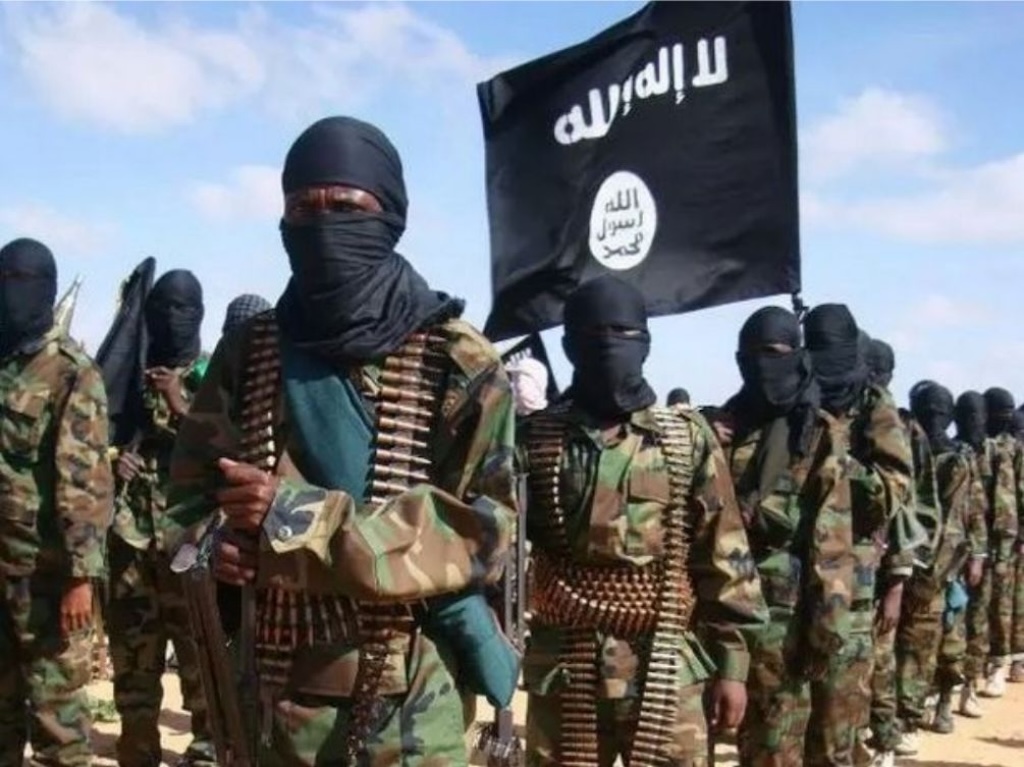
From Borno to Kebbi and Zamfara, a wave of attacks since the start of Ramadan has left dozens dead, displaced thousands and raised fresh fears about insurgent resurgence. Shortly after Muslims broke their fast last Wednesday in Ngoshe, a rural community in the Gwoza Local Government Area of Borno State, gunfire shattered the quiet evening. Within hours, suspected Boko Haram insurgents had overrun a military base, killed soldiers and community leaders, and abducted scores of women and children -- triggering another humanitarian crisis in Nigeria's conflict-scarred North-east. By morning, hundreds of residents had fled into neighbouring Pulka, carrying with them the latest scars of a conflict that has haunted the region for more than a decade. But the Ngoshe assault is not an isolated incident. Across northern Nigeria, a series of attacks since the beginning of Ramadan has left dozens of people dead, displaced thousands of residents and renewed fears that terrorists and bandits may be escalaFrom Borno to Kebbi and Zamfara, a wave of attacks since the start of Ramadan has left dozens dead, displaced thousands and raised fresh fears about insurgent resurgence.ting violence during the Muslim holy month. At least six major attacks targeting soldiers and rural communities have been recorded in northern Nigeria since the start of Ramadan, according to reports compiled from local authorities and media accounts. PREMIUM TIMES reports that the Nigerian Army on Saturday buried the soldiers killed in recent attacks by terrorists in Borno State. The army did not state the exact number of soldiers buried, but they are estimated to be in the dozens. Apart from the attack in Ngoshe, the terrorists also attacked military bases in Konduga, Marte, Jakana and Mainok late on Thursday and early Friday. According to reports by Daily Trust, The PUNCH, and local officials in Borno State, insurgents launched a coordinated attack on Ngoshe late Wednesday night, first targeting a military base of the 82 Division Task Force Battalion before storming the town and an internally displaced persons (IDP) camp. Security sources said the attackers arrived in large numbers and overwhelmed troops stationed at the base. Nine soldiers were later confirmed dead, while several armoured vehicles and military equipment were destroyed during the assault. After dislodging the troops, the insurgents moved into the community, burning houses and abducting residents, particularly women and children. Local officials say more than 100 people are still missing, although some community leaders believe the number could be higher. Among those killed during the raid were the chief imam of the town and several community elders. Thousands of residents have since fled to neighbouring Pulka town, where many are now sleeping in classrooms, school compounds and open spaces while awaiting humanitarian assistance. "You will see a mother crying and searching for her children, or children looking for their parents," a resident told journalists after fleeing the attack. The Ngoshe attack fits into a broader pattern of renewed insurgent assaults on military formations and rural communities in Nigeria's North-east in recent months. Data compiled from security reports shows that several attacks targeting soldiers and civilians have occurred in Borno State since the beginning of the year. On 1 March, Boko Haram fighters attacked a forward operating base in Mayanti in Bama Local Government Area, killing the base commander, Major U.I. Mairiga, alongside three soldiers and a civilian hunter. Earlier, on 6 February, four soldiers were killed in an ambush near Auno along the Maiduguri-Damaturu highway when troops travelling to reinforce colleagues came under attack. On 5 January, nine soldiers died after their convoy struck a landmine near Bindundul village in Mobbar Local Government Area before coming under heavy gunfire. Another attack on 28 January in Damasak reportedly left seven soldiers dead, including a commanding officer. Such repeated assaults on military formations may indicate attempts by insurgent groups to weaken troop presence in strategic locations across the region. Security experts say attacks on isolated military formations are a long-standing tactic used by insurgent groups operating in the Lake Chad region. By targeting smaller bases and forward operating posts, militants are often able to seize weapons, destroy equipment and temporarily disrupt security operations in surrounding communities. Umara Ibrahim, a professor of International Relations and Strategic Studies at the University of Maiduguri, has argued that attacks on resettling communities may also be intended to undermine government efforts to return displaced residents to their homes. According to Mr Ibrahim, the return of civilians to previously abandoned towns can restrict insurgents' freedom of movement and make their activities easier to monitor. Despite more than a decade of military operations against Boko Haram and its splinter faction, ISWAP, attacks on remote communities and military bases continue to challenge security gains in the North-east. Analysts warn that unless intelligence gathering and rapid-response capabilities improve, such assaults may continue to threaten communities attempting to rebuild their lives after years of conflict. Military sources say the Nigerian Armed Forces responded to the Ngoshe attack with airstrikes targeting fleeing insurgents. According to security reports, surveillance aircraft tracked the militants along known escape routes before the Nigerian Air Force launched precision strikes that reportedly killed more than 50 fighters. Despite the counterattack, many residents remain unaccounted for. Ali Ndume, who represents Borno South Senatorial District in the Senate, condemned the attack and called for stronger military operations in the Sambisa Forest and Mandara Mountains. "The military base in the community was dislodged and major equipment destroyed," Mr Ndume said while reacting to the incident. "Unfortunately, soldiers, the chief imam of Ngoshe and some elders were among those killed during the attack." The senator added that authorities were working with the Borno State Emergency Management Agency to provide relief materials for displaced residents now sheltering in Pulka. The violence in Ngoshe is part of a wider surge of attacks across northern Nigeria since the start of Ramadan. Ramadan is an Islamic holy month where Muslims fast from dawn to dusk by abstaining from food and water, as well as from all things considered immoral. In Kebbi State, at least 34 people were killed on the first day of Ramadan in several communities in Arewa Local Government Area. A week later, gunmen attacked a mosque in Dadin Kowa in Maiyama Local Government Area of the state, killing five worshippers during a Qur'anic Tafsir session. In Zamfara State, about 50 residents were reportedly killed during an overnight raid on villages in Anka Local Government Area. Similar attacks have also been recorded in Adamawa, Niger and Kaduna states, where gunmen have raided communities, killed residents and abducted worshippers during nighttime assaults. Communities being rebuilt are displaced again The latest attack has also disrupted fragile resettlement efforts in parts of Borno State. In recent months, some refugees who fled to neighbouring Cameroon during the height of the insurgency had begun returning to communities in Gwoza and surrounding areas. But the Ngoshe raid has forced many families to flee once again. Residents say the town is now largely deserted, with thousands seeking refuge in Pulka and nearby communities. Humanitarian conditions in the area are worsening as displaced families struggle with limited shelter, food, and basic supplies. Community groups have appealed for urgent assistance for the victims. The Gwoza Youth Forum called on humanitarian organisations and government agencies to provide food, clothing, and essential household items to displaced families now sheltering in Pulka. For many residents gathered there, however, the greatest concern remains the fate of those taken away during the attack. In Pulka, where displaced families now sleep in classrooms and open fields, many residents say the attack did not end when the gunfire stopped. Until the missing are found, the night Ngoshe came under siege will remain unfinished. Islamic clerics have condemned the wave of violence, noting that the killings contradict the spiritual significance of Ramadan. Ibrahim Siraj, an Islamic scholar and lecturer at Bayero University Kano, said Islam strongly condemns the taking of innocent lives. "Whoever kills a believer intentionally, his recompense is Hell, to abide therein forever," he said, quoting from the Quran. "Ramadan is a sacred period meant for reflection and self-restraint. To carry out violence during this time shows complete disregard for its sanctity." Another cleric, Halliru Maraya, said many of the attackers act outside the principles of the faith they claim to represent. "These criminals are not guided by Islamic teachings," he said. "They simply commit atrocities and attempt to justify them in the name of religion." Source: https://www.premiumtimesng.com/news/top-news/862281-ramadan-siege-rising-terror-attacks-in-islamic-holy-month-shake-northern-nigeria.html
Leave a Reply
Your email address will not be published. Required fields are marked *