

Nigeria's NDC 3.0 framework receives global applause
- Super Admin
- 08 Mar, 2026

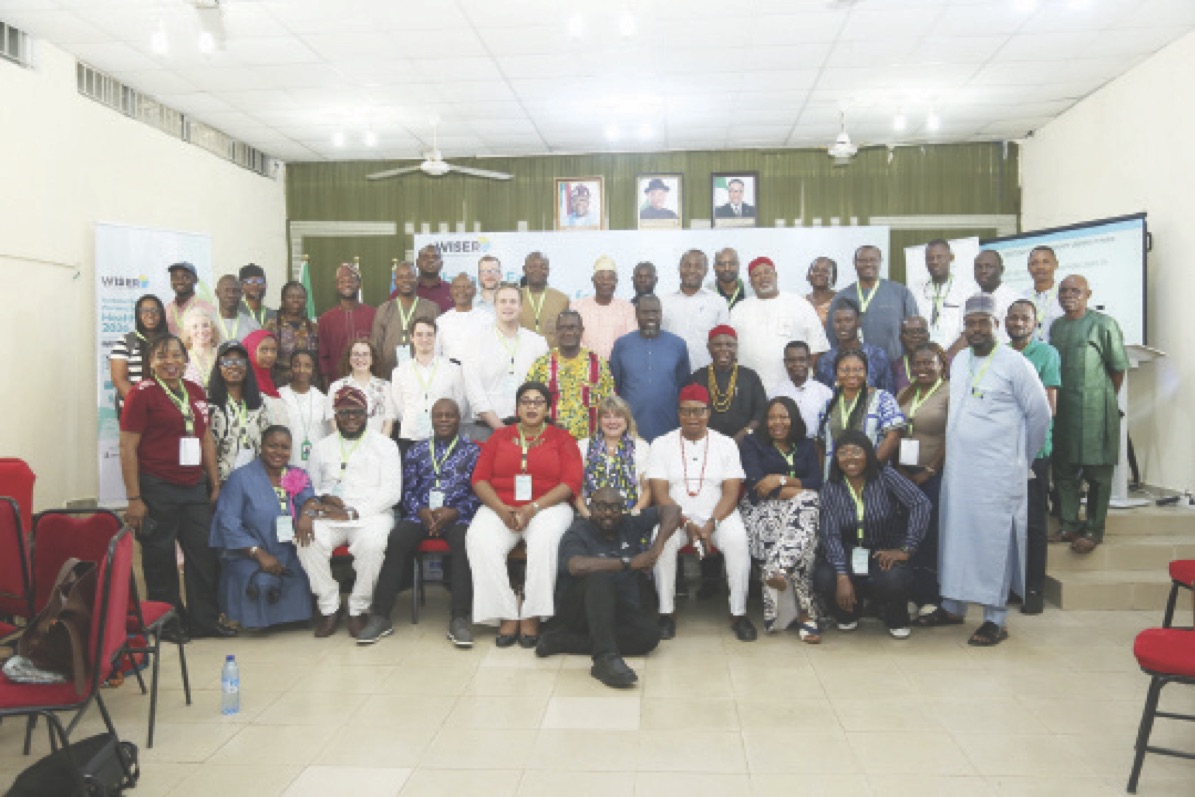
Nigeria's commitment to delivering a national integrated climate change, health and environmental early warning system gained further traction last week with the convergence of stakeholders in weather forecast and climate change agents from across the globe at a workshop tagged Wiser for Health held at Nigerian Meteorological Agency facility in Lagos. Participants at the five-day workshop held between March 2 and 6 were unanimous in their assessment that the meeting was a significant boost for the nation's third Nationally Determined Contribution (NDC 3.0) designed to activate a robust early warning system with implementation in at least 18 states in the country by 2030. Submitted in September 2025, NDC 3.0, according to environmental experts and climate change advocates, is significant for accelerating Nigeria's transition to a low-carbon, climate resilient economy, targeting a 32 per cent greenhouse gas emission reduction by 2035. It commits to achieving net-zero emission by 2060 thereby aligning national development with international climate goals. This perhaps underscores the description of the NDC 3.0 as a highly ambitious, nationally-owned initiative shaped through inclusive consultations that amplified the voices of Nigerians across government and civil society to youth, women, academia and the private sector. For decades, increased flooding, droughts and desertification, leading to severe health challenges, food insecurity, economic losses, and displacement had combined to rob Nigerians in no small measure. While rising temperatures and erratic rainfall have continued to pose a serious threat by crippling agricultural productivity -- particularly in the north -- coastal areas like Lagos are confronted with rising sea levels and erosion. The fundamental, systemic and multifaceted threat posed by climate change underscores the urgent need for Nigeria to build climate-resilient health systems informed by inclusive early warning and risk management services. The National Early Warning Services for Health (WISER) workshop Wiser thus provided the platform for advocates and stakeholders in weather forecast and climate change agencies across the globe to brainstorm and assess Nigeria's progress in tackling the challenge of climate change. Organised by the Nigerian Meteorological Service (NiMet) in partnership with the Federal Ministry of Health and Social Welfare, the National Emergency Management Authority (NEMA), the National Hydrological Services Agency (NIHSA), and the National Orientation Agency (NOA), the workshop embodied a truly cross-sectorial collaboration. Additionally, representatives from the Ministry of Agriculture and Food Security, the Ministry of Budget and Economic Planning, and the Lagos State Government were also on ground to witness the proceeding and contribute to the robust deliberations at the event. The workshop, which was part of WISER Health (Weather and Climate Information Services for Health), a global initiative co-funded by the UK and Rockefeller Foundation, with the Met Office leading implementation also had in attendance International experts including representatives from the UK Government, the UK Met Office, the Rockefeller Foundation, the World Bank, the World Meteorological Organization, the World Health Organization, and the UK Health Security Agency, who made valuable contributions by sharing policy and operational experiences from their respective agencies and domains. Juliet Whitley, Head of Health at the British High Commission in Abuja commended the Nigerian government over what she described as the nation's commitment to building a more resilient health system. Her words: "Nigeria is leading the way in developing an early warning system that will better enable its health sector to prepare for and respond to extreme weather. The UK is proud to support Nigeria's commitment to building a health system that is more resilient to climate change." Speaking during the workshop, Dr. Zakariya Mohammed, Director and Head of Climate Change and Environmental emphasised the significance of the third Nationally Determined Contribution (NDC 3.0) and described the workshop as an excellent starting point. "With the integration of health considerations into Nigeria's recently submitted NDC 3.0, this workshop provides an excellent starting point for collaborative efforts toward establishing an operational early warning system for climate and health in Nigeria," he stated. The integration of the nation's health into the third Nationally Determined Contribution framework offers wider benefits beyond enabling the nation's health sector to prepare and respond to extreme weather. In the view of the Chief Disaster Risk Reduction Officer and Climate Change Desk Officer, National Emergency Management Agency, (NEMA), Isa Abulkasir, the NDC 3.0 framework will, in addition to its core benefits to the health sector, help in mitigating the impact of climate sensitive disaster. "As Nigeria integrates health into its NDC 3.0 framework, this workshop offers a timely opportunity to advance our collaborative efforts toward a climate-resilient health system. NEMA is committed to leveraging climate information and early warning systems to mitigate health risks, enhance community resilience, and reduce the impact of climate-sensitive diseases and disasters -- building a safer, more resilient future for all Nigerians." Source: https://thesun.ng/nigerias-ndc-3-0-framework-receives-global-applause/
Leave a Reply
Your email address will not be published. Required fields are marked *