

Qatar Joins UAE, Israel, Saudi Arabia, Oman, Jordan, Bahrain and More as U.S. Issues new Travel Alert Massive Disruptions, Airport Gridlock, Travel Mayhem, and Uncontrollable Security Risks in the Middle East! - Travel And Tour World
- Super Admin
- 07 Mar, 2026

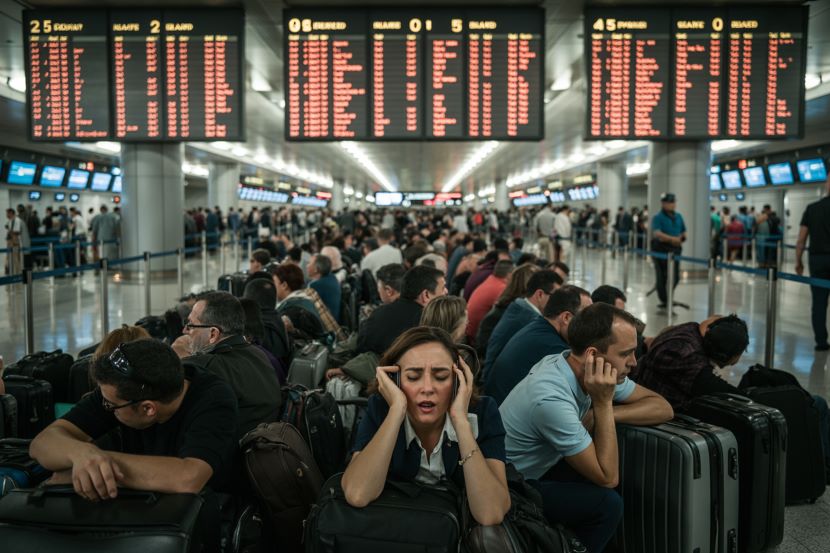
In recent weeks, the U.S. Department of State has raised its travel advisory to Level 3 - "Reconsider Travel" for a number of countries across the Middle East, North Africa, and beyond. This is a clear warning for U.S. citizens to think twice about their travel plans as these regions face escalating risks related to armed conflict, terrorism, civil unrest, and missile threats. The Level 3 advisory applies to countries like Qatar, UAE, Israel, Saudi Arabia, Pakistan, Oman, Cyprus, Nigeria, Jordan, and Bahrain, causing major disruptions to air travel and global tourism. Flight cancellations, airspace closures, and limited consular support have led to unprecedented delays at airports across the globe. With these travel restrictions, passengers face uncertainty as flight routes change, airports become more congested, and air travel networks grind to a halt. In this article, we explore why these countries have been flagged for increased risks, the impact on international flights, the airlines affected, and the best safety tips for those who must travel to these destinations. The Level 3 "Reconsider Travel" advisory is one of the highest warnings issued by the U.S. Department of State, and it is assigned when there are serious risks to the safety of U.S. citizens in a particular destination. The reasons for this advisory could include: Unlike the Level 4 "Do Not Travel" advisory, which outright bans travel, the Level 3 advisory simply urges U.S. citizens to reconsider their travel plans and carefully assess the risks involved. The advisory level can change rapidly depending on the security situation in a country, and it's important for travellers to stay updated by checking official sources like the U.S. State Department website. As of March 2026, the following countries have been assigned Level 3 "Reconsider Travel" status: Let's dive deeper into each of these countries to understand why they've received this advisory and how it's affecting air travel and tourism. Qatar has been under a Level 3 advisory due to its proximity to regional conflicts, including the U.S.-Israel-Iran tensions and the ongoing conflict in Yemen. Qatar Airways, one of the country's flagship airlines, has faced numerous flight cancellations and delays due to airspace closures and heightened security concerns in the region. Hamad International Airport in Doha has seen disruptions in flight schedules as missile threats from neighboring countries, particularly Iran, have forced the suspension of flights to and from key international destinations. The Qatar Government has issued public safety notices urging residents and visitors to stay indoors during times of heightened security alerts. The UAE has become a Level 3 country due to the escalating threat of missile attacks, drone strikes, and regional instability. The UAE's airspace is under close scrutiny, with Dubai International Airport (DXB) and Abu Dhabi International Airport (AUH) being directly impacted. These airports are among the world's busiest, and the ongoing tensions in the Gulf region have led to multiple flight cancellations, delays, and re-routes. Flights to and from the UAE are subject to severe disruptions, as Emirates Airlines and FlyDubai have reduced operations in response to security alerts. Israel faces a Level 3 travel warning due to ongoing military operations, including rocket attacks and terrorist threats. The conflict with Hamas and regional tensions with Iran have contributed to civil unrest, making it a high-risk area for travellers. Ben Gurion International Airport (TLV) remains operational, but the situation can change quickly due to missile attacks or rocket fire, which has targeted the airport in the past. Saudi Arabia is currently experiencing a Level 3 advisory due to the ongoing conflict in Yemen and its proximity to conflict zones in Iraq and Syria. Saudi airspace has been targeted by missile attacks launched from Yemen, which poses a serious threat to travellers in the country. While major cities like Riyadh and Jeddah are relatively safe, travellers are urged to avoid border regions and areas near active military operations. Pakistan has been assigned a Level 3 advisory due to the ongoing threat of terrorism, especially from Boko Haram, and violent civil unrest. Parts of the northwest and southern regions of Pakistan are heavily affected by militant activity. The U.S. government has cautioned its citizens against non-essential travel to certain areas, particularly Balochistan, Khyber Pakhtunkhwa, and the North-West Frontier Province. Bahrain, like many of its Gulf neighbors, has been affected by the ongoing tensions in the Middle East. Bahrain International Airport has experienced flight cancellations and delays due to missile threats and drone attacks affecting nearby airports. Bahrain's airspace has been closed intermittently as a precautionary measure, disrupting travel to and from the country. U.S. citizens should regularly monitor official travel advisories from the U.S. Department of State and the U.S. Embassy for the latest safety updates and evacuation procedures. Enrolling in the Smart Traveler Enrollment Program (STEP) ensures real-time alerts on evolving risks and provides emergency contact information. Be cautious when traveling to border regions or areas marked with active military operations. These areas are more likely to experience violence and terrorist attacks. Ensure that your travel insurance covers issues such as trip cancellations, flight delays, and emergency evacuations. Policies often exclude conflict zone coverage, so it's important to clarify your policy's terms. Due to ongoing airspace restrictions and security issues, flight cancellations are common. Always confirm your flight status 24-48 hours before departure and have a backup travel plan in place. The U.S. Level 3 travel warnings for Qatar, UAE, Israel, Saudi Arabia, Pakistan, Oman, and other countries signal that U.S. citizens should exercise extreme caution when travelling to these destinations. Flight disruptions, airspace closures, and increased security measures have caused significant delays and cancellations, impacting travellers globally. If you plan to travel to any of these destinations, stay informed by checking official travel advisories, reconfirm flight details, and consider alternative routes to avoid potential disruptions. Always ensure that you have comprehensive travel insurance and make contingency plans for emergencies. Source: https://www.travelandtourworld.com/news/article/qatar-joins-uae-israel-saudi-arabia-oman-jordan-bahrain-and-more-as-u-s-issues-new-travel-alert-massive-disruptions-airport-gridlock-travel-mayhem-and-uncontrollable-security-risks-in-the-mid/
Leave a Reply
Your email address will not be published. Required fields are marked *