
Discomfort over US agreement
- Super Admin
- 07 Mar, 2026

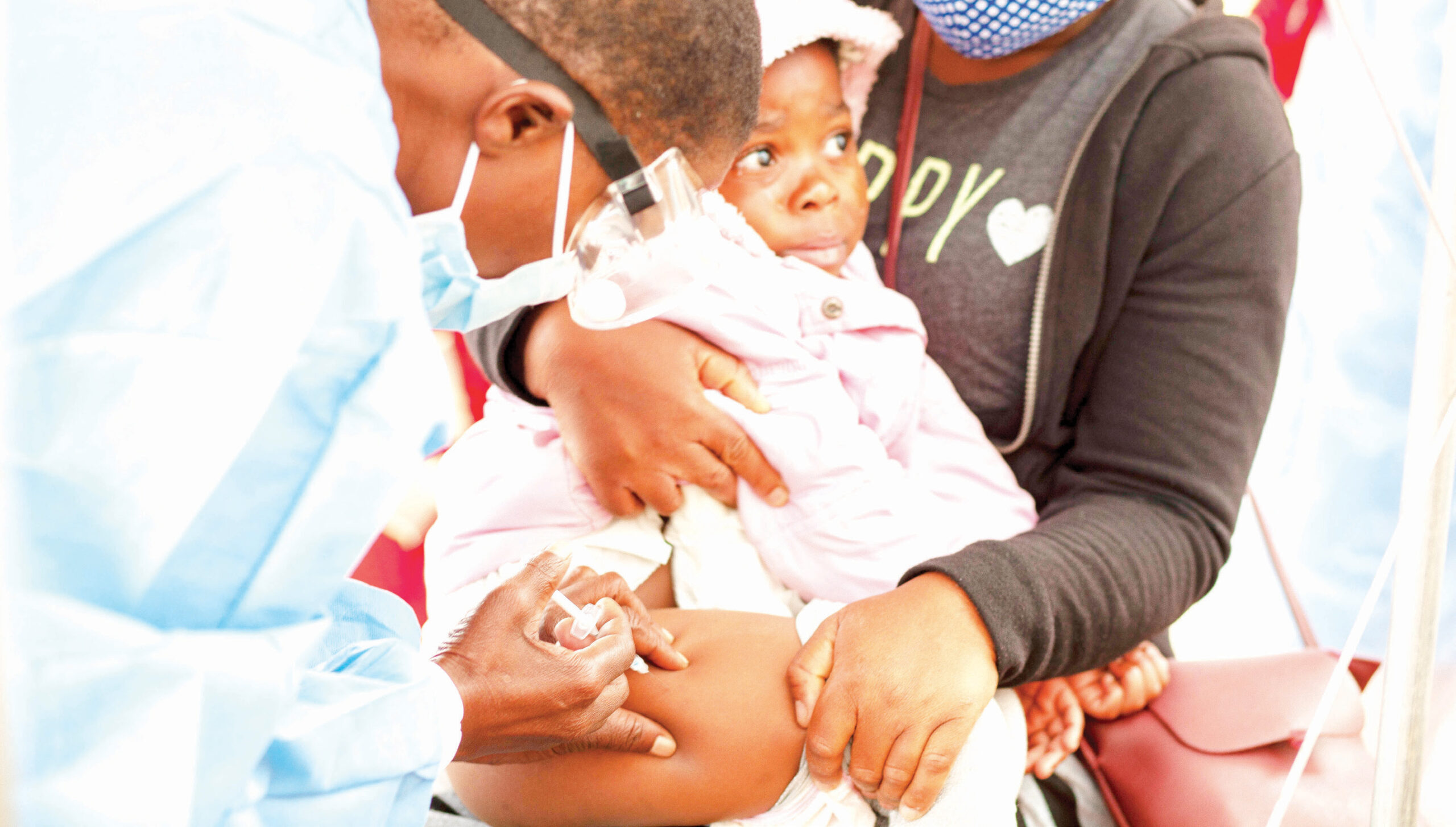
DOSE OF LIFE -- Malawi is in need of resources for health initiatives like vaccination It has been a month since the governments of Malawi and the United States signed a Memorandum of Understanding (MoU) on health cooperation. In January 2026, the US and Malawi signed a five-year, $936 million agreement to bolster health service delivery in Malawi. The deal includes $792 million to fight HIV/Aids, malaria, and infectious diseases, with Malawi committing to increase its annual health spending. The US government has signed several such agreement with a number of African countries. But there are also some that have refused to sign the deal. - Advertisement - Today, the terms of the agreement between Malawi and the US remain undisclosed to the public -- raising growing concerns among civil society organizations, health advocates, and governance experts. For decades, Malawi's health sector has depended on donor funding and the recent agreement is certainly significant. But the government has not released the contents, conditions, or implementation framework of the agreement, a development that is now a cause of discomfort among some. Health rights advocates have told Malawi News that the continued silence from the authoritties risks fueling speculation about what exactly the deal entails and how it could influence national health policy. We wrote both Minister of Health Madalitso Baloyi and Secretary for Health Dan Namarika to answers to some stakeholders' uneasiness at the unavailability of details. They did not provide an immediate response - Advertisement - - Advertisement - However, the Malawi Health Equity Network (Mhen), a coaltion of organisation working in the sector of health in Malawi, said it is still waiting for clarification from the Ministry of Health regarding the agreement. Mhen Executive Director George Jobe said the coaltion issued a statement soon after learning that the agreement had been signed asking for the finer operational details of the agreement. Government has not provided information since, according to Jobe. He said civil society organizations remain in the dark about how the arrangement will be implemented and whether it carries any conditions that could affect the delivery of health services. Jobe noted that making the agreement public -- or at least releasing an official summary explaining its scope, conditions, and implementation modalities -- would help address questions being raised by stakeholders and the public. "Given the importance of donor-supported health programme in Malawi, such transparency is important to ensure that all stakeholders clearly understand how the support will align with national health priorities," he said. Malawi's health sector heavily depends on donor support, particularly for critical programs such as HIV and Aids, maternal health and disease control. Because of this reliance, experts say agreements involving international partners require clear communication to avoid misunderstandings about policy direction or conditionalities. They further argue that withholding the document undermines public oversight and raises governance concerns at a time when Malawi is under increasing pressure to manage donor partnerships transparently. Jobe acknowledged that external funding remains vital for sustaining healthcare services. But he stressed that openness about such agreements is essential, especially as other countries have recently faced controversy over similar cooperation deals with foreign governments. In its America First Global Health Strategy, the United States government has signed bilateral agreements with a number of countries including Botswana, Sierra Leone, Ethiopia, Kenya, Rwanda, Liberia, Uganda, Lesotho, Eswatini, Mozambique, Cameroon, Nigeria, Madagascar, Côte d'Ivoire, Burkina Faso, Niger and Congo. The deals have attracted controversy largely because of the reported inclusion of extensive data and pathogen-sharing clauses. Health leaders across the continent have warned that such provisions could "expose sensitive biological information without sufficient safeguards or reciprocal benefits,", accoridinvg to a report on the Business Insider. "There is also concern about the broader shift away from traditional aid models. Critics argue that requiring significant domestic co-financing at a time of fiscal strain could force governments to reallocate funds from other essential services," it says. According to the Business Insider report: "Washington maintains that the approach builds stronger, more self-sufficient health systems, but the debate is far from settled." But there are also countries that have not taken the US offer. Zambia suspended a $1 billion agreement due to what it was are some contents in the deal that are contradictory to its national interests. Zimbabwe pulled out of the discussion over sovereignty concerns. Source: https://times.mw/discomfort-over-us-agreement/
Leave a Reply
Your email address will not be published. Required fields are marked *