
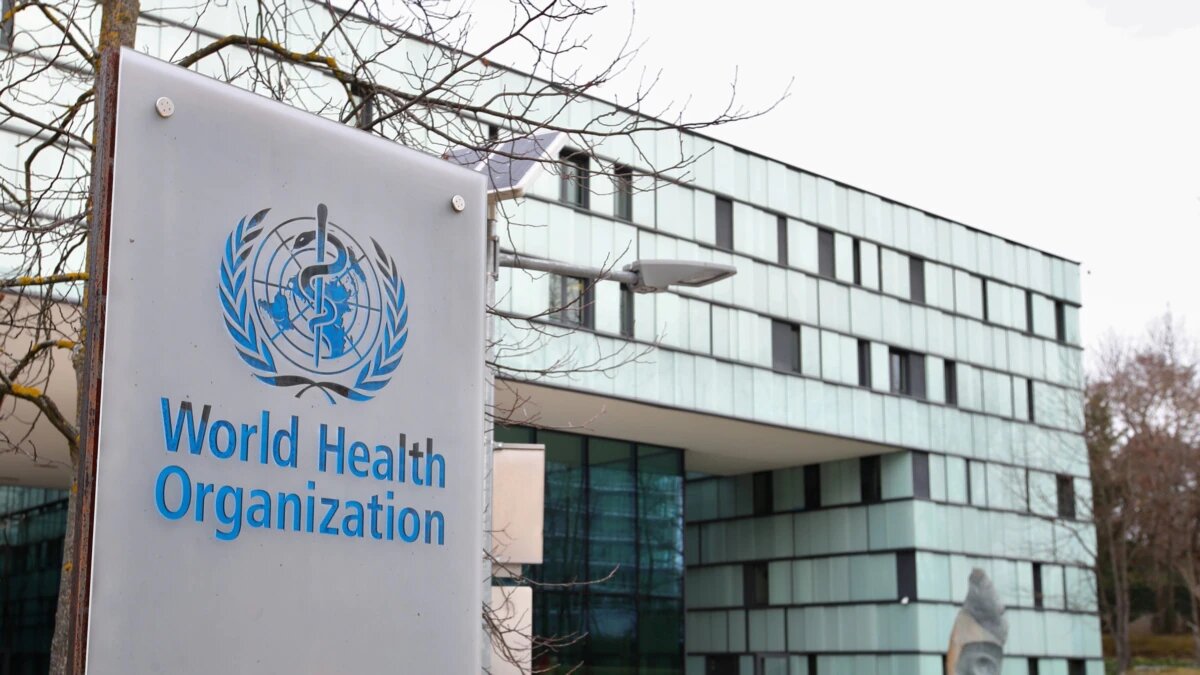
WHO backs rollout of new HIV prevention drug in nine countries
- Super Admin
- 07 Mar, 2026

Mr Ghebreyesus said a new medicine approved in 2025 for HIV prevention, Lenacapavir, represents the most significant development in combating HIV since the first antiretroviral treatments were approved nearly 40 years ago. The World Health Organisation (WHO) has announced that it has supported nine countries to begin rolling out lenacapavir, a long-acting HIV prevention medicine, targeting people at high risk of infection across several African nations. The Director-General of the WHO, Tedros Ghebreyesus, made this known on Thursday during a virtual media briefing addressing global health priorities, including HIV prevention, obesity treatment advances and progress in cervical cancer elimination. Mr Ghebreyesus said a new medicine approved in 2025 for HIV prevention, Lenacapavir, represents the most significant development in combating HIV since the first antiretroviral treatments were approved nearly 40 years ago. He noted that HIV remains one of the defining public health challenges of the past half-century, but it had also become one of the world's most notable successes in disease control efforts. According to him, HIV, once considered a death sentence, can now be controlled with safe and effective medication, allowing millions of people living with the virus to live longer, healthier lives worldwide. Mr Ghebreyesus noted that as treatment improved and access expanded, annual AIDS-related deaths globally had dropped dramatically, declining by about 70 per cent over the past 20 years. He added that medicines originally designed to treat HIV infection were increasingly used as preventive tools, protecting people at substantial risk of contracting the virus before exposure occurred. The WHO chief reiterated that the approval of Lenacapavir for HIV prevention in 2025 marked a historic milestone in global efforts to curb transmission and accelerate progress toward ending the epidemic. He explained that lenacapavir is not a vaccine but functioned as a long-acting antiretroviral drug administered once every six months to people who are HIV-negative but vulnerable to infection. According to him, clinical trials have shown the medicine can prevent almost all cases of HIV among individuals at risk, making it one of the most promising prevention tools available. Mr Ghebreyesus said WHO issued official guidelines on the use of Lenacapavir in July 2025 and later granted prequalification in October, enabling global health donors to procure and distribute the medicine. He said that it was the first time the WHO developed treatment guidelines and product prequalification simultaneously rather than sequentially, accelerating equitable access to a major public health innovation. "In the past eight months, the WHO has supported the rollout of lenacapavir in Eswatini, Kenya, Lesotho, Mozambique, Nigeria, South Africa, Uganda, Zambia and Zimbabwe," he said. He said South Africa became the first African country to approve lenacapavir in October 2025, and only the third country globally to authorise the medicine for HIV prevention. He added that Cyril Ramaphosa, President of South Africa, announced during his 2025 State of the Nation address that the country planned a large-scale rollout of the prevention drug. "South Africa also announced plans on Thursday to manufacture Lenacapavir locally, a move expected to strengthen supply and expand access to the medicine across the region," he said. Mr Ghebreyesus warned that demand for the drug is currently exceeding supply, as orders placed by countries through donors had fallen short of the growing need. He said the WHO is working with national governments, international donors and pharmaceutical manufacturers to scale up production and ensured sufficient supplies reached countries introducing the medicine. Mr Ghebreyesus also highlighted HPV vaccine as another powerful public health tool helping countries move closer to eliminating cervical cancer through vaccination, screening and early treatment. He noted that Wednesday marked HPV Awareness Day, celebrated under the theme "One Less Worry," raising awareness about viruses responsible for several cancers, including cervical cancer. He recalled launching a global call in 2018 to eliminate cervical cancer, followed in 2020 by a global strategy targeting 90 per cent vaccination and 90 per cent screening coverage. "The strategy also aims to ensure 90 per cent of women diagnosed with cervical cancer or precancerous lesions receive treatment by 2030, significantly reducing global mortality from the disease," he said. Mr Ghebreyesus said nearly 60 countries had introduced HPV vaccination programmes since the initiative began, while 162 countries now includes the vaccine in national immunisation schedules. He highlighted progress in India and South Africa, describing both countries as making major strides toward eliminating cervical cancer through expanded vaccination campaigns and national programmes. "In February, India launched the largest free HPV vaccination campaign in history, targeting nearly 12 million 14-year-old girls every year to protect them against cervical cancer," he said. "More than 127,000 women in India are diagnosed with cervical cancer annually, while about 80,000 die from the disease each year, according to global health estimates." Source: https://www.premiumtimesng.com/health/health-news/862115-who-backs-rollout-of-new-hiv-prevention-drug-in-nine-countries.html
Leave a Reply
Your email address will not be published. Required fields are marked *