
Nigeria Rolls Out 1% Tax on Informal Businesses Under New Fiscal Framework
- Super Admin
- 07 Mar, 2026

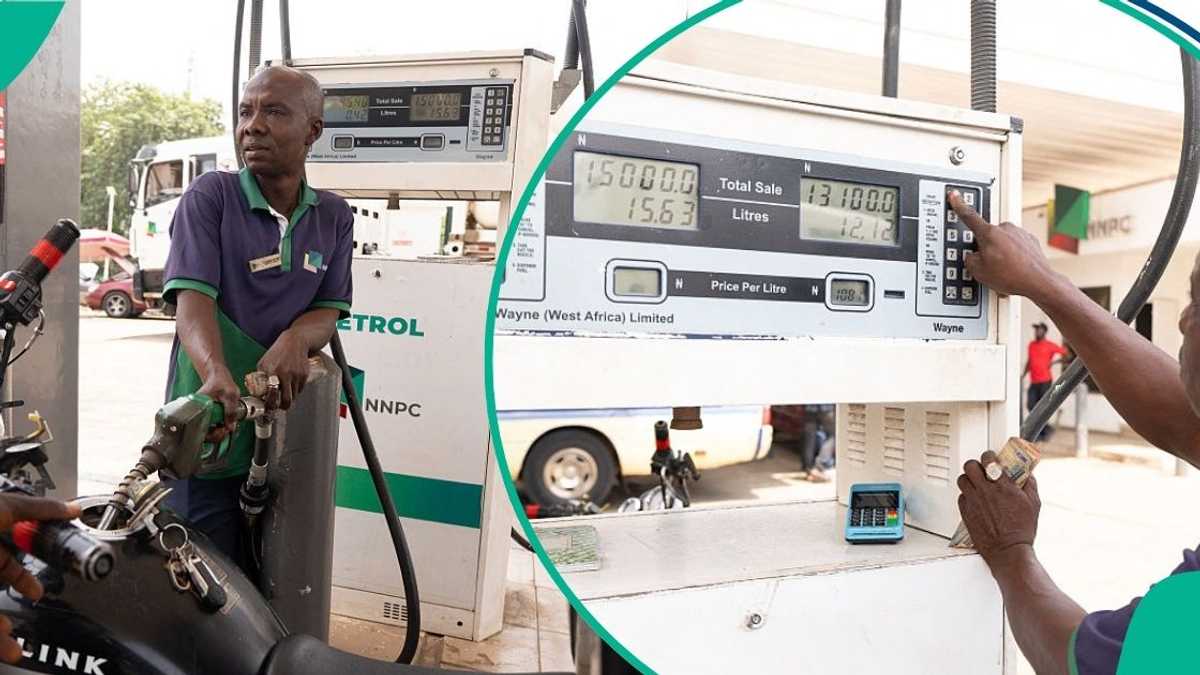
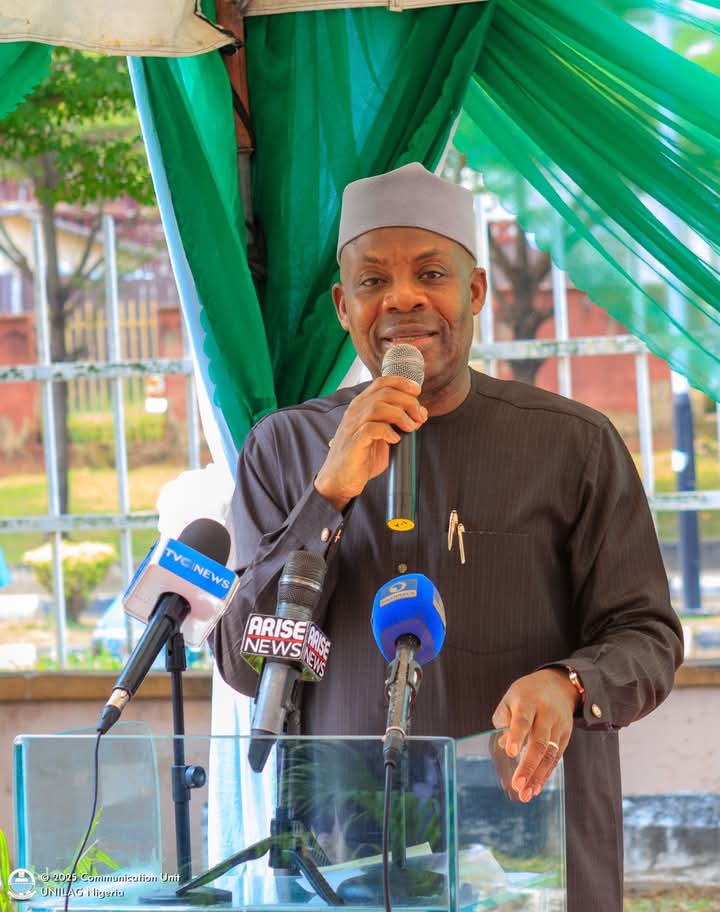
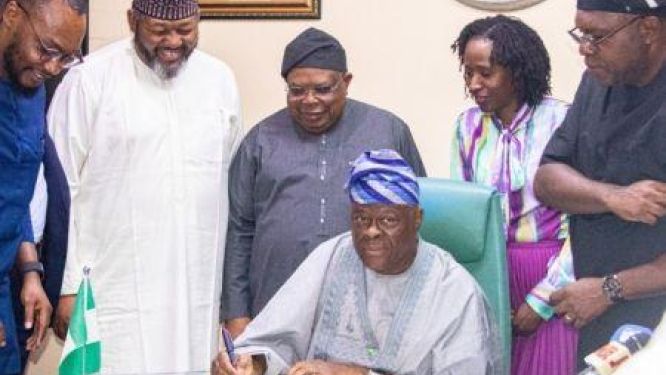
The reform supports President Bola Tinubu's broader tax overhaul launched in 2025, which includes higher capital gains taxes and a 15% minimum effective tax for large firms. The government incorporated the measure into a new regulatory framework for presumptive taxation. Minister of Finance and Coordinating Minister of the Economy Wale Edun signed the framework. Authorities designed the policy to end informal, fragmented or coercive tax practices, particularly at the local level. Edun described the framework as "simple, transparent and fair," and said the policy aims to protect small businesses while expanding the tax base without increasing tax rates. "Our objective is to ensure consistency, prevent arbitrary assessments and protect small businesses while ensuring the continued growth of the Nigerian economy," Edun said. He added: "Our role is to ensure that tax administrations are coordinated rather than fragmented, that they deliver results and have a positive impact on all Nigerians." Informal Sector: An Economic Engine Difficult to Tax Nigeria's informal sector includes economic activities that largely escape state regulation and taxation, which makes identification and tax collection particularly complex. In this context, the introduction of a 1% flat tax raises questions about the mechanisms authorities will use to collect the levy. However, authorities said the regulatory framework aims to gradually integrate informal businesses into the formal economy through structured digital platforms. The policy exempts nano-enterprises and small businesses with annual turnover below 12 million naira from taxation. However, authorities have not yet clarified which other categories of informal businesses will fall within the scope of the tax. This uncertainty matters because nano and small enterprises represent a large share of the informal sector. Nigeria's informal sector employs more than 80% of the country's workforce, but the sector contributes only a limited share of government revenue. Authorities attribute this imbalance partly to a tax system that does not reflect operational realities in the informal economy. President Bola Ahmed Tinubu has launched a series of economic reforms since taking office to restore stability and support growth. In June 2025, Tinubu signed four tax reform laws, including the Nigeria Tax Act and the Nigeria Tax Administration Act. Authorities implemented these laws on Jan. 1, 2026. The reforms include an increase in the corporate capital gains tax from 10% to 30% and the introduction of a 15% minimum effective tax rate for large companies and multinational groups. Source: https://www.ecofinagency.com/news-finances/0703-53553-nigeria-rolls-out-1-tax-on-informal-businesses-under-new-fiscal-framework
Leave a Reply
Your email address will not be published. Required fields are marked *