
Jordan: Travelling on Biblical King's Highway
- Super Admin
- 07 Mar, 2026

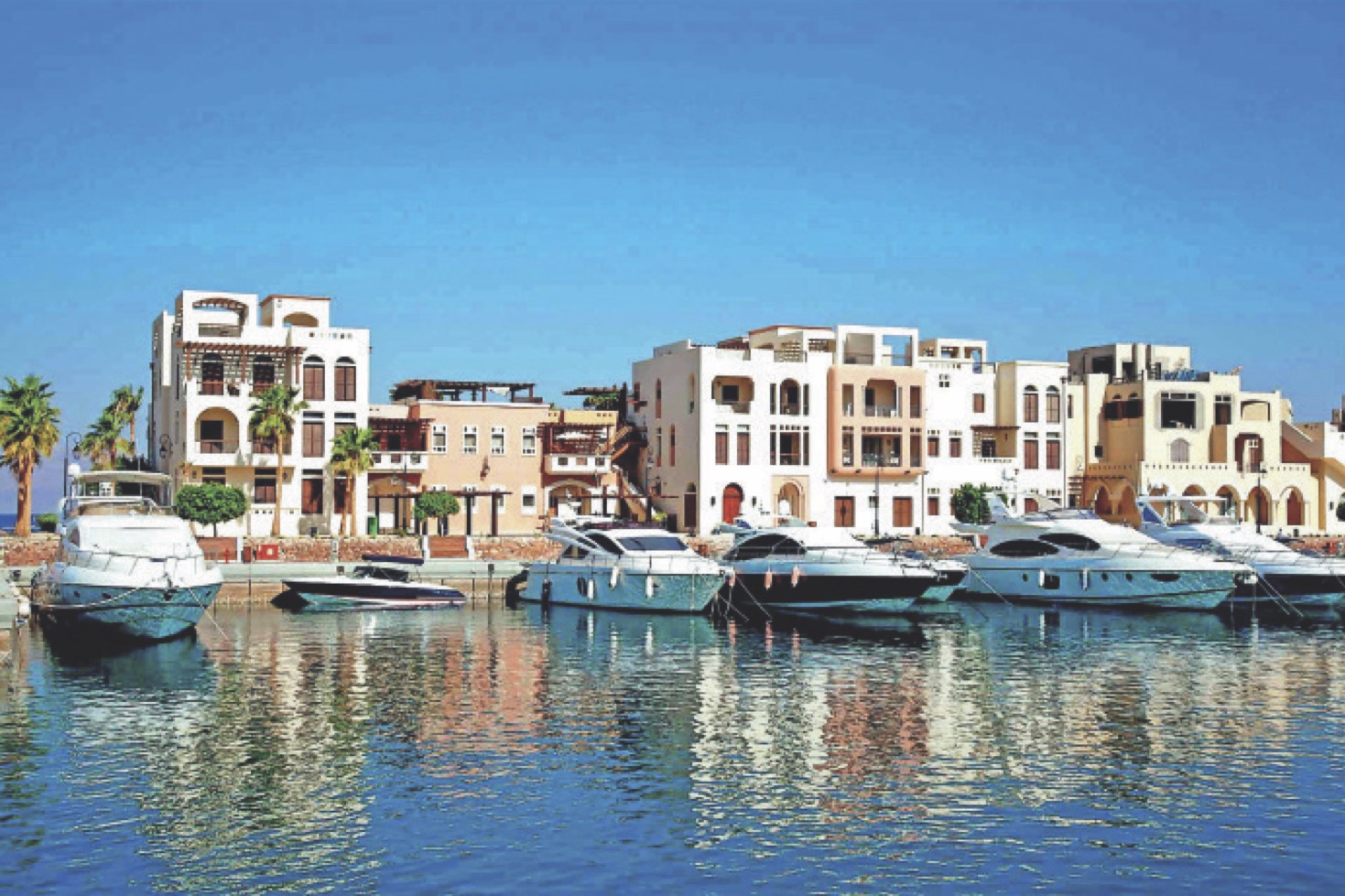
In the Bible, in the book of Numbers 20:17 and Numbers 21:22, Moses, leading the children of Israel to the Promised Land, requested from the King of Edom and Sihon, King of the Amorites, to travel through their kingdoms on the 'King's Highway', described as a paved route through the Trans Jordanian plateau, without turning to the left or right. It is interesting that this ancient highway that has served humanity for thousands of years is still in use. In Jordan, from Amman, the highway terminates at the beautiful gulf city of Aqaba. Although Amman and cities like Zarqa and Irbid are important to the country, Aqaba with its access to the Red Sea through the Gulf of Aqaba, and also being the southernmost city of the kingdom, is not only strategy but key in the economic development of the Hashemite Kingdom of Jordan. So, it is not surprising that the ancient highway heads there. Travelling from Amman, the kingdom's capital, to Aqaba is about 333 kilometres, just about the distance from Lagos to Owo town in Nigeria. However in between these cities, visitors would discover some of the most amazing ancient sites in world history. In the last 2000 years, the Kingdom of Jordan, in one way or the other, has been part and a witness in the shaping of the world as it is known today, and located along the 333 kilometres journey from Amman to Aqaba are cities and history sites that have helped to shape the modern world. The King's highway from Amman down to Aqaba winds through iconic sites like Madaba known as the City of Mosaics. It boasts of the sixth-century mosaic map of the Holy Land in St. George's Church. Petra: the ancient Nabataean capital and a UNESCO World Heritage site, often the final destination of this route. About 34 kilometres from Amman is Mount Nebo, the site where Moses saw the Holy Land and was buried. It is just a few kilometres from Madaba. Mount Nebo is a major draw for most Christian tourist visitors to Jordan due to its religious and historical significance. The site has a large collection of ancient mosaics amongst other artefacts. On top of the mountain, one could see the baptism site of Jesus, Jerusalem, Jericho, the Dead Sea. One could look at the sprawling wilderness with little vegetation, just as God showed it to Moses. There is no major building within sight, just the undulated mountain range spread out in greyish dark natural canvas. The next tour stop point is the city of Petra, ancient Nabataean capital and a UNESCO World Heritage site. Petra is home to one of the new Seven Wonders of the World. Archaeological records show that Petra has been inhabited since prehistoric times. With its location, it was an important crossroads between Arabia, Egypt and Syria-Phoenicia. The land surrounding the city of Petra is made of sandstone from which different edifices were carved out, the most important being the half-built, half-carved ancient treasury carved into the soft rock into the rock. The location is stunning and surrounded by mountains riddled with passages and gorges. It is one of the world's most famous archaeological sites. As a tourist, there are sites one could visit and the memories would soon become vague recollections from the past. Not Petra. Deep in the gorge of Petra is the ancient 'treasury'. Here, it seems one has regressed back in time in a kind of time machine. The site is preternatural, haunting and surreal. Although called treasury, according to archaeological research, it was actually a treasure but a mausoleum for the 1st century AD Nabatean King Aretas IV, later used as a place of worship. The place got its name from the Bedouins who lived in the area in the 19th century and believed the structure holds a hidden treasure. Finally, after a daylong tour of sites since leaving Amman in the morning, the final destination is Aqaba. The first impression one notices on entering the city is the splash of white, just like Amman. The city has one colour for its building-white. Under the Middle East's sun, the white colour splashes like a heavenly abode. The city exudes charm, power and class. Under the harsh and fierce sun common in the city is aristocratic luxury. Aqaba blends the ancient with a deep feel of the luxury modernity has to offer. Even the King of Jordan has his expansive home in the city and offers a weekly getaway from Amman. Although Amman and cities like Zarqa and Irbid are important to the country, Aqaba with its access to the Red Sea through the gulf of Aqaba, and also being the southernmost city of the kingdom, is not only strategy but key in the economic development of the Hashemite Kingdom of Jordan. Aqaba is the Kingdom of Jordan's only seaport, and has been inhabited since 4000 BC. It serves as a vital trade hub and strategic port for over 6,000 years. Known historically as Ayla, and was an important city under the Romans, and Byzantines. The city offers a captivating blend of Red Sea luxury, vibrant marine life, and deep historical significance. Known for its year-round sunshine and mild winters, it is a premier destination for world-class scuba diving, snorkelling, and relaxing on beaches, alongside exploring ancient ruins and bustling local markets. Source: https://thesun.ng/jordan-travelling-on-biblical-kings-highway-2/
Leave a Reply
Your email address will not be published. Required fields are marked *