
Persistent blackout at UCH sparks outrage, raises concerns over Nigeria's healthcare infrastructure
- Super Admin
- 06 Mar, 2026

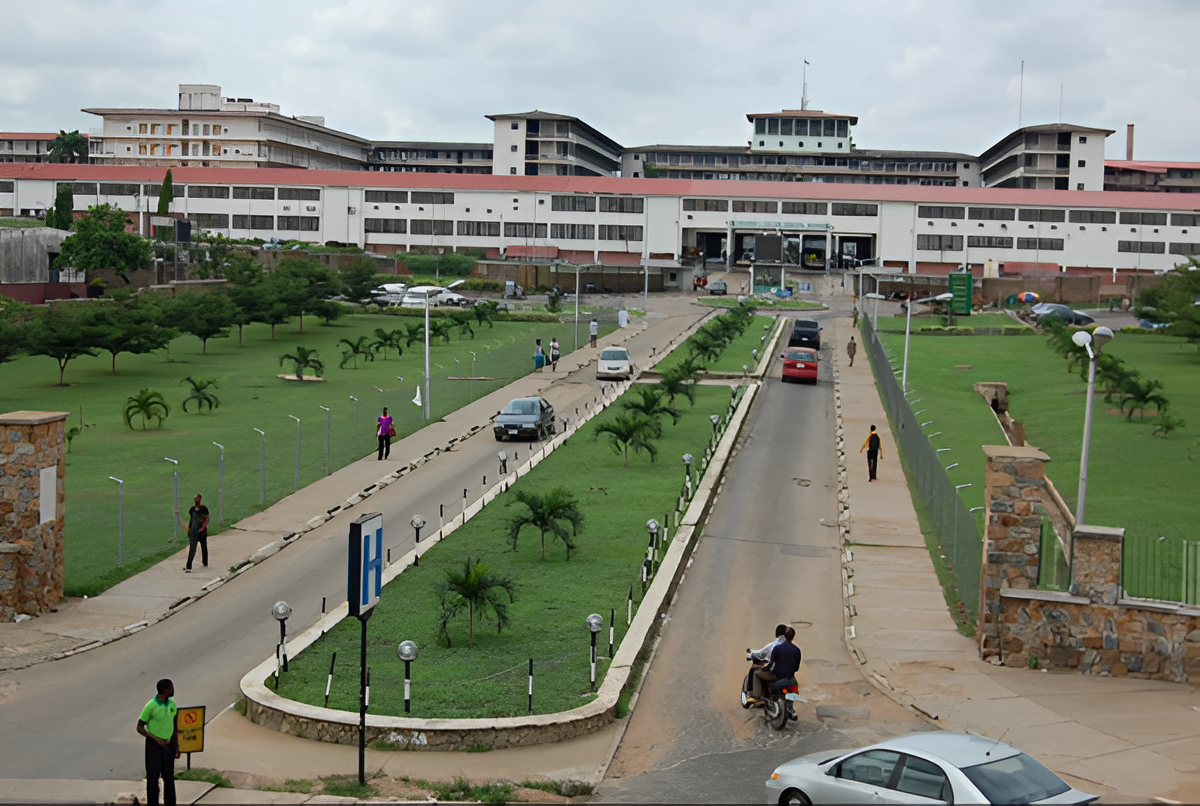
The recurring blackout at the University College Hospital (UCH), Ibadan, has once again drawn public attention to the fragility of critical infrastructure in Nigeria's health sector, with patients, students and Nigerians on social media lamenting the implications for patient care at one of the country's foremost teaching hospitals. The development has also triggered fresh labour unrest at the facility. On Tuesday, The Nation newspaper reported that the hospital had been plunged into darkness following a five-day warning strike declared by its labour unions over alleged electricity rationing by the management. The Council of UCH Union Leaders (CUUL), a coalition of 11 unions within the hospital, called the action to highlight the persistent power crisis at the facility. Union leaders said the situation had disrupted service delivery, endangered patients and exposed staff to operational risks. In a statement signed by the council's co-chairmen, Oladayo Olabampe and Uthman Adedeji, the unions said that although the Ibadan Electricity Distribution Company (IBEDC) restored power supply to the hospital in February, the management continued to ration electricity across departments. The power crisis at the federal tertiary facility has persisted for months, disrupting medical services, triggering protests by students and industrial actions by doctors, while fuelling wider concerns about the sustainability of Nigeria's public healthcare system. The electricity challenge at UCH did not begin recently. PREMIUM TIMES previously reported that the hospital has been grappling with persistent power outages linked to unpaid electricity bills owed to IBEDC. The situation escalated on 26 October 2024 when IBEDC disconnected the hospital from the national grid over outstanding debts. Hospital management confirmed that the disconnection was triggered by an unpaid electricity bill of about N400 million, which formed part of an accumulated electricity debt estimated at N3.1 billion in 2019. The outage plunged large sections of the hospital into darkness, severely affecting clinical operations and forcing staff to rely on generators and other emergency power sources to sustain essential medical services. For weeks, several departments reportedly struggled to maintain routine services, while patients and relatives complained about deteriorating conditions within the hospital complex. The power outage earlier triggered protests among students of the University of Ibadan who rely on the hospital for clinical training. PREMIUM TIMES previously reported that students staged demonstrations demanding urgent government intervention to restore electricity to the facility after weeks of disruption. The protests came as the hospital had already spent more than three months without stable electricity following the disconnection from the national grid. According to reports, the hospital had endured over 100 days of electricity disruption in early 2025, significantly affecting clinical training, research activities and healthcare delivery. Following this, the crises led to labour unrest. Resident doctors at the hospital later embarked on an indefinite strike, citing the prolonged blackout and inadequate water supply as key issues affecting working conditions and patient care. Healthcare workers warned that persistent power outages could compromise critical medical procedures that depend on stable electricity supply. At the time, the Minister of Power, Adebayo Adelabu, convened a meeting with the management of the University College Hospital, Ibadan, and officials of IBEDC to address the electricity crisis affecting the facility. Following the meeting, Mr Adelabu assured that electricity supply to the hospital would be restored within 24 to 48 hours, describing the situation as unacceptable for a major tertiary healthcare institution. Although, electricity was restored at the time, the hospital has once again been plunged into darkness. The situation has triggered widespread reactions online, with Nigerians expressing concern about the state of healthcare infrastructure. Many noted that the prolonged power outages at a leading hospital can disrupt patient care and undermine public confidence in the health system. A user identified as Dante.M.A.D (@whypeecloze) lamented the implications for patients seeking treatment. "Firstly, UCH is not affordable to everyone, secondly you fit dey on emergency make them tell you doctors are on strike. They really get us in this country." Another user, Temitayo Felix Ilori (@TeeMento), questioned Nigeria's long-standing electricity challenges. "Bro, I still can't wrap my head around the fact that in 2026, Nigeria still can't boast of steady electricity. A whole UCH Ibadan on strike and protesting for no light and water in this century?" Similarly, a user identified as AAA (@GraciousGod22) described personal observations at the hospital. "UCH resumed from strike two weeks earlier and embarked on another one on Monday. Truly, there is no water or light... Of my 10 hours of staying there... not once was light restored." A medical professional, Olawale Ogunlana (@doctorwalesmd), reflected on the hospital's past reputation. "UCH once treated the King of Saudi Arabia and the Saudi Royal Family... Today, its operations are grounded because of lack of water and electricity supply." Another user, OmoYeni (@OmoyeniSalami), shared personal experiences caring for a relative at the hospital. "Surviving UCH is by the Grace & Mercy of God... against all odds my aged Dad survived Covid . I was with him in hospital 24/7. After he was discharged, the Lead consultant basically told me to "keep doing whatever I was doing"!". On Instagram, users also expressed frustration over the conditions at the hospital. A user identified as @biggielarry recounted the death of a relative, alleging delays in care. "If you see the way people died there now eh? My cousin died there last year in August...They bring people in and no bed, some die eventually inside the ambulance and their cars while in the premises. He remain small make cousin beat a nurse just because of the way they neglected people anyhow. A lot is wrong there. I am still traumatized myself. In everything you do this life, don't have a life threatening issue biko". Another user, @mz_tiana2, criticised Nigeria's inability to provide basic infrastructure. "A country like Nigeria can't boost of basic amenities in its major cities. It's a shame, Nigerian leaders should be walking in full shame both nationally and internationally". Similarly, @adabelcay said the situation disrupted medical appointments. "This is so sad. My Dad was scheduled to see a specialist on Tuesday, but we couldn't. What if it's an emergency situation? I just pray this strike get called off and no emergency situation?". Source: https://www.premiumtimesng.com/news/top-news/862022-persistent-blackout-at-uch-sparks-outrage-raises-concerns-over-nigerias-healthcare-infrastructure.html
Leave a Reply
Your email address will not be published. Required fields are marked *