
The Petro-Gothic: Why Iran's Agony Is Nigeria's Warning
- Super Admin
- 06 Mar, 2026

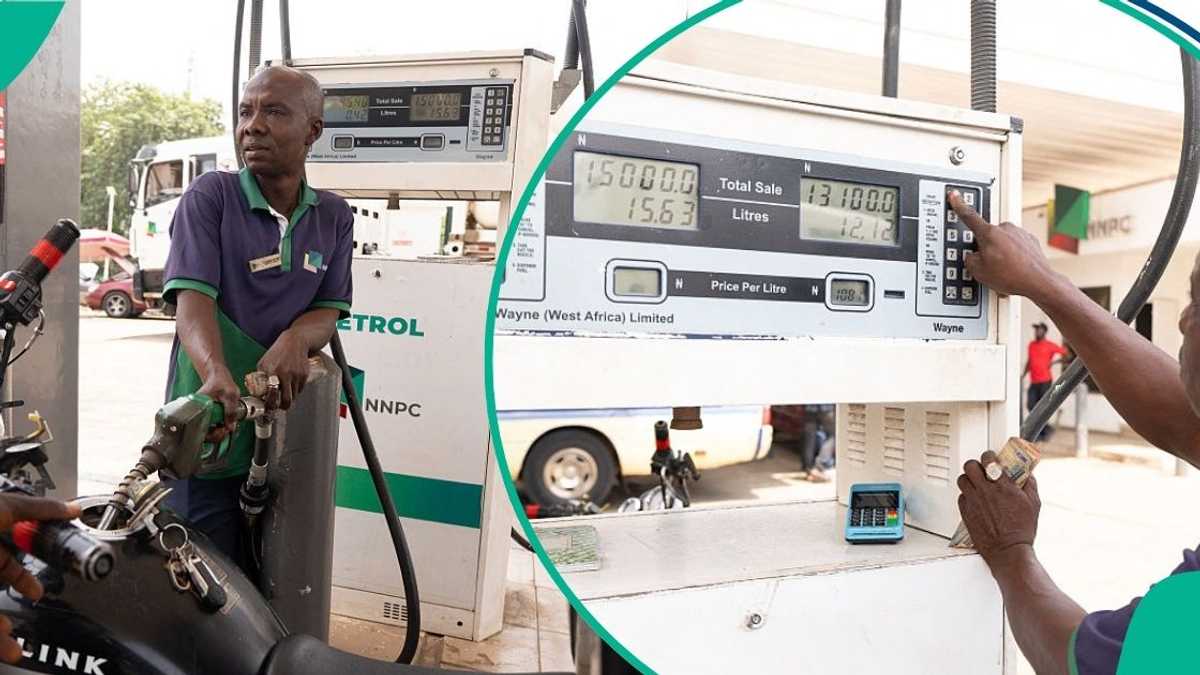
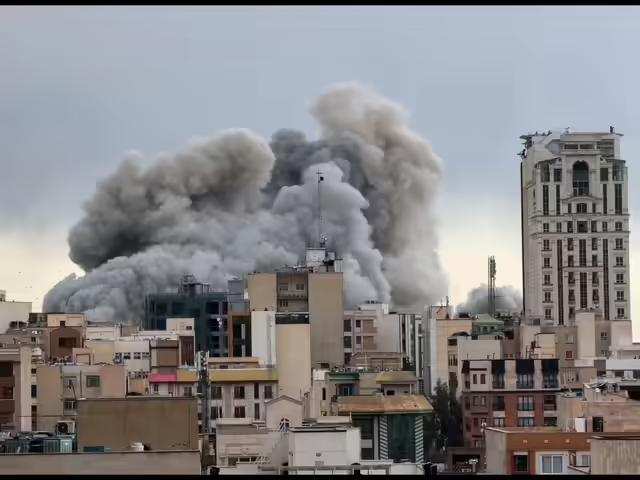
In his latest piece, "Iran's Palaver, Nigeria's Dilemma," Dr. Dakuku Peterside transcends the dry boundaries of economic commentary to deliver what we in African literature call a "petro-gothic" narrative. This is a story of two giants; one Persian, one African, bound by the same viscous thread of oil, yet haunted by the same ghost: the failure of institutional legitimacy. As a scholar of the African literary tradition, I see Peterside's analysis as a modern sequel to the works of Ayi Kwei Armah. He identifies a "narrative of proximate distances," where a missile in the Strait of Hormuz is not a distant explosion, but a domestic inflation spike in a Lagos market. Peterside's most striking literary device is the mirror. Iran, the world's third-largest oil reserve holder, is portrayed as a "tragedy of squandered possibility." By March 2026, with Brent crude surging to $81.40, Nigeria should be celebrating a windfall against its $64.85 budget benchmark. Instead, Peterside reveals the "Nigerian Paradox": we are lifted by price but limited by volume, producing only 1.48 million barrels per day against a 1.84 million target. This is the "Petro-fiction" at its most cruel form; about a nation dreaming of wealth while its reality is defined by "leaking" production and "brittle" infrastructure. The reported killing of Iran's Supreme Leader to the riots on the streets of Kano is a vital observation for the global audience. Nigeria does not process the Middle East conflicts as "foreign." They are filtered through faith and identity. When the Islamic Movement of Nigeria protests in Kano, the "external war acquires internal life." Furthermore, Peterside uses Afrobarometer data to highlight a chilling moral migration: 60% of Nigerians trust religious leaders, while only 27% trust the Presidency. In any great tragedy, when the people stop believing in the Crown, the state becomes "armed yet brittle." Peterside concludes with a call for "strategic sobriety." High oil prices are not a reward; they are a "warning." The lesson for Abuja is clear: wealth without discipline is merely an invitation to complacency. Nigeria still has the time to rewrite its ending. To do so, it must move beyond "performing indignation" and begin the hard work of building a state that serves rather than merely controls. This is not just a policy recommendation; it is a plea for the survival of the Nigerian narrative. Source: https://independent.ng/the-petro-gothic-why-irans-agony-is-nigerias-warning/
Leave a Reply
Your email address will not be published. Required fields are marked *