
Journalists must defend democracy against 'conflict merchants', says Uba Sani - The Nation Newspaper

- Super Admin
- 06 Mar, 2026

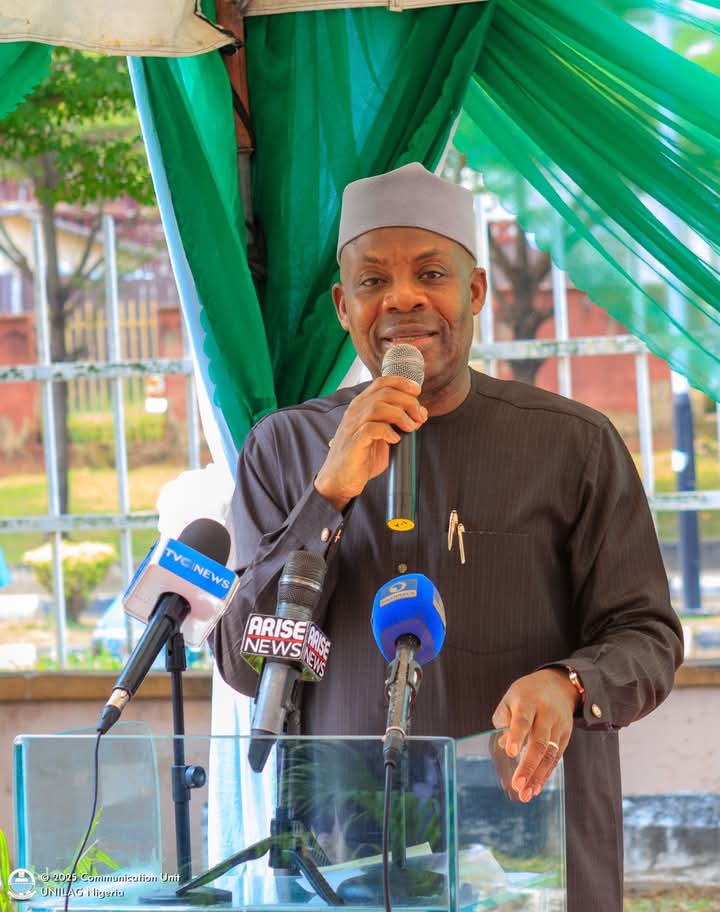
Kaduna State Governor, Uba Sani, has called on journalists to remain vigilant in defending Nigeria's democracy, warning that some politicians are bent on undermining democratic institutions whenever government policies do not favour them. The governor spoke on Thursday while hosting journalists to an iftar (Ramadan fast-breaking) at Sir Kashim Ibrahim House, where he reflected on the historic role of the media in Nigeria's pro-democracy struggle. Sani said journalists played a more critical role than any professional group in the fight against military rule, urging them not to allow the sacrifices made during that struggle to be eroded by what he described as anti-democratic forces. According to him, during the years of resistance against dictatorship, civil rights activists depended heavily on courageous journalists who risked their freedom and, in some cases, paid the ultimate price in the struggle to restore democracy. "Many journalists lost their freedom, and some lost their lives when we were fighting for democracy. Nigerians cannot talk about democracy today without recognizing the contribution of journalists," he said. He therefore urged media practitioners to remain alert and interrogate the actions of politicians he described as "latter-day activists" who, he claimed, were absent during the pro-democracy struggle. Sani warned that some of these actors are now attempting to manipulate public discourse and destabilize the democratic process whenever policy decisions do not align with their interests. The governor said rather than focus on issues that affect citizens' welfare, such politicians resort to divisive narratives built around ethnicity and religion. According to him, national development discussions should centre on healthcare, education, human capital development, infrastructure, unemployment, and poverty. "Instead of discussing these critical issues, they dwell on ethnicity and religion, which divide the country," he said. "When campaigns begin, they shift attention to these divisive topics rather than issues that affect all Nigerians irrespective of their ethno-religious backgrounds." Sani also questioned the democratic credentials of some individuals who now present themselves as defenders of democracy. He alleged that many of them were aligned with military regimes during the years of dictatorship, but are now attempting to rewrite history. "When we were fighting for democracy, they were partnering with military dictators. Today, from nowhere, they are trying to teach us democracy," he said. The governor challenged journalists to hold such politicians accountable by questioning their past roles in the country's political history. "What do they know about fundamental human rights? What do they know about freedom, rule of law, equality, and justice?" he asked. "These are the questions journalists must ask the so-called activists." Sani also used the occasion to highlight some achievements of his administration, particularly in infrastructure, healthcare, and education. He said data available to his government showed that about 12 local government areas in Kaduna State had no single kilometre of road constructed in the 10 years preceding his administration. According to him, the current government has extended development projects to all 23 local government areas in the state within the last two and a half years. The governor added that when his administration came on board, only five out of the state's 32 secondary hospitals were fully equipped and functional. He said the government is currently renovating, remodeling, and equipping 15 of the hospitals to improve healthcare delivery. Sani also disclosed that Kaduna State previously had about 580,000 out-of-school children, according to data from the National Bureau of Statistics. He said the number has now been reduced to about 182,000 through ongoing education interventions. The governor added that the state government, in collaboration with partners including the Kuwait Development Fund, Islamic Development Bank, and UNICEF, plans to build an additional 102 schools. According to him, Kaduna is currently the only subnational government benefiting from a $62.8 million intervention programme targeted at tackling the out-of-school children crisis. He attributed the support from development partners to what he described as the transparency of his administration. "Our focus is to leave no child outside the classroom in Kaduna State because we believe education is the greatest leveller," the governor said. "That is why we are determined to ensure that the children of the poor also have access to quality education." Source: https://thenationonlineng.net/journalists-must-defend-democracy-against-conflict-merchants-says-uba-sani/
Leave a Reply
Your email address will not be published. Required fields are marked *