
Epileptic power supply, grid collapse: The solar energy option - Blueprint Newspapers Limited

- Super Admin
- 06 Mar, 2026

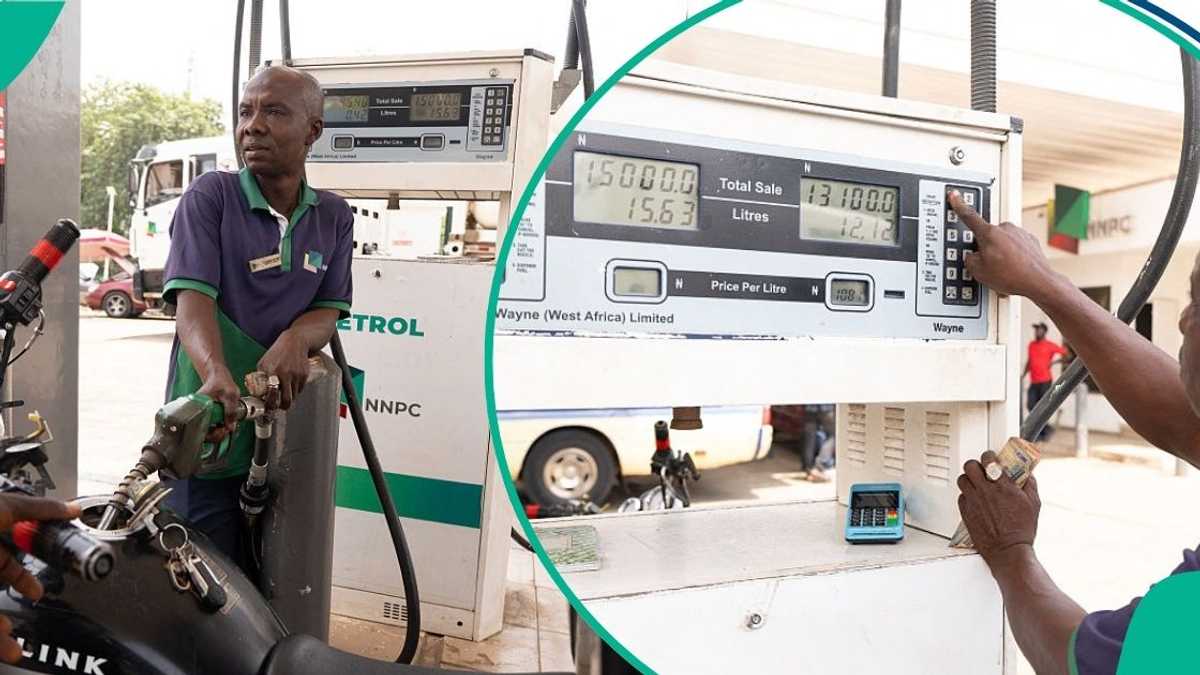
National grid collapse and frequent power failures have been throwing Nigerians into darkness, especially residents of the Federal Capital Territory. However, rich Nigerians don't feel the impact of epileptic power supply since they can afford solar energy. In this report, PAUL OKAH wonders if solar energy is an option. In the Holy Book, God said "let there be light" and there was light. However, it appears frequent national grid collapses and power failures have united to ensure that Nigerians stay in darkness as many households, especially in the FCT, hardly enjoy steady power supply. Regardless of the state or area of residence in the Territory, the story is the same as citizens hardly enjoy up to 10 hours of power supply on a daily basis. Hence, many others still stay in total darkness in the 21st century, with businesses badly hit by the light issues. Grid collapse From 2025 to 2026, the country's national grid continues to experience frequent "system disturbances" and total collapse, primarily due to ageing infrastructure, gas supply shortages, and technical faults. This year, on January 23, the first collapse occurred around 1:00pm, with generation dropping to 0.00 MW from over 4,500 MW. On January 27, a second collapse occurred, just four days later, at approximately 10:48am, again plunging the country into a total blackout. While some official reports noted an improvement compared to 2024, the grid still suffered several significant failures throughout 2025. On February 12, 2025, the first major collapse occurred at 11:34am, affecting all Ikeja Electric and Abuja Electric feeders. On March 7, 2025, a significant disturbance at 2:00pm caused generation to drop below 1,000 MW from a peak of over 5,200MW. Again, on September 10, 2025, a total collapse at 11:23am was triggered by the tripping of a generation company, leading to a nationwide outage. On December 29, 2025, the final major incident of the year occurred just before the New Year, causing widespread blackouts. Despite these failures, the Transmission Company of Nigeria (TCN) and the government have continued to implement reforms, including the unbundling of TCN into the Nigerian Independent System Operator (NISO), to better manage the grid. Power epilepsies Nevertheless, even in months when national grid collapses have not been recorded, distribution companies (DisCos) have continued to plunge electricity users into darkness by offering epileptic power supply services, with many FCT residents complaining of not getting power supply for days. The worst hit appears to be Bmuko, a suburb community in Dutse, Bwari Area Council, as residents, who were hitherto used to steady power supply of more than 20 hours per day, hardly get up to two hours of power supply per day presently; despite living in the nation's capital. The situation is the same in Gwarinpa, Wuse, Maitama, Garki, Asokoro, Nyanya, and other parts of the FCT as the Abuja Electricity Distribution Company (AEDC) has not lived up to its duty of providing power supply to residents of the FCT. This has been affecting businesses. However, those using solar energy appear not to feel the impact much as they enjoy steady power supply, while those depending on the national grid groan. Solar energy as an option Speaking with this reporter, a businessman in Wuse, Matthew Ayeni, said solar energy should be a priority for many homes as a result of many factors. He said, "We should be able to tell ourselves the truth at times, solar energy is increasingly becoming important and more reliable in today's Nigeria, especially for SMEs. In fact, it's now a priority for many homes, especially in areas where there's epileptic power supply. This is because you need light to render certain types of services. "I've been using solar energy in my offices and home since 2020 and I'm really enjoying the experience. At home, while neighbours are complaining of epileptic power supply, I have steady power to run my refrigerators and other appliances. At work, there's no issue of power failure as our businesses are run on solar energy." Continuing, he said, "So, I will advise Nigerians to embrace solar energy because of the many benefits. It's even a good thing that companies are manufacturing different products to meet the requirements of many homes. Even with your supposed low income, there are solar products for you to power some basic appliances, then you can upgrade later to install solar energy to power heavy appliances. "With a budget of N500, 000, you can expect a system suitable for powering items such as LED bulbs, fans, a television, laptop and phone charging, but it will not run heavy appliances like air conditioners, refrigerators or pressing irons. So, solar energy has become a priority for many homes as it's better than spending money on fuelling generators." On her part, a teacher in Bwari, Mrs. Mirabel Bako, said solar energy is helpful in saving the environment from pollution. She said, "There is no need arguing about the fact that there is epileptic power supply in Nigeria, because it has persisted despite the numerous interventions of the government. This is why the solar energy business is now thriving as manufacturers have identified a problem to solve and a market for their products. You only need to attend conferences on renewable energy to see the numerous solar energy companies thriving in Nigeria. "However, I'm looking at it from the angle of inherent health benefits. You will agree with me that we're already suffering from environmental pollution of various forms. Imagine being kept awake at night by noisy generators being run by neighbours, who have been plunged into darkness by public power supply, whereas you're using solar energy." She added: "Even as a teacher, I find it distressing to see many people still using generators, whereas solar energy is healthy for the environment. Therefore, if one can afford it, it's advisable to install solar energy and save your neighbours from environmental pollution. You will also be doing yourself a lot of good because, apart from saving money on fuel, you will also be free from inhaling fumes from generators, so solar energy is helpful." 'Solar energy not easily affordable' In his view, a consultant in Gwarinpa, Jason Iheanacho, said although solar energy has many advantages over connection to the national grid, it is capital intensive and often out of the reach of the poor; hence they stick to noisy generators. He said, "Indeed, epileptic power supply is a major issue to Nigerians, especially entrepreneurs. However, while the adoption of solar energy is growing rapidly in Nigeria, due to rising fuel costs and environmental concerns, some Nigerians still use petrol/diesel generators. This is due primarily to the high cost of solar installations, which often exceeds 10 times the nation's minimum wage. "Although solar energy is recognised as a quieter and more sustainable long-term solution, generators are still considered the immediate 'survival' option for many, particularly in urban, lower-income and smaller business settings. "For instance, a 5kVA solar setup (inverter, panels, and lithium batteries) can cost between ₦2.5 million to ₦5 million+, whereas a 5kVA generator might cost around ₦500k-₦1 million. For the average Nigerian, the upfront investment is seen as a luxury rather than a necessity, making generators the only affordable option." He argued that generators provide instant power upon starting, which is favoured for short-term energy needs. "Despite the removal of fuel subsidies, making fuel expensive, the immediate, smaller cost of purchasing fuel is often more manageable daily than a large upfront investment, even though it is far more expensive in the long run. "Again, the market is saturated with poor-quality solar components, leading to premature failures, which causes mistrust in the technology. There is a shortage of qualified technicians for the proper installation and maintenance of solar systems. Many solar 'generators' (smaller, cheaper units) are not built to withstand the high, fluctuating power demands of Nigerian homes, such as running fridges and freezers. "Moreover, many Nigerians cannot access bank loans or affordable financing for solar projects, which exacerbates the high cost barrier. Again, in densely populated urban areas, some residents lack the rooftop space needed to install enough solar panels to meet their energy demands, while recent government policies, such as restrictions on imported panels to promote local manufacturing, have introduced uncertainty and potential cost increases. "Despite these hurdles, the narrative is shifting in 2026. The removal of fuel subsidies has significantly increased the running costs of generators, making solar increasingly attractive. More Nigerians are switching to solar, particularly for homes and businesses looking to reduce long-term expenses." Source: https://blueprint.ng/epileptic-power-supply-grid-collapse-the-solar-energy-option/
Leave a Reply
Your email address will not be published. Required fields are marked *