
Calls for boycott as allegations cloud Africa Energies Summit 2026 - Businessday NG
- Super Admin
- 06 Mar, 2026

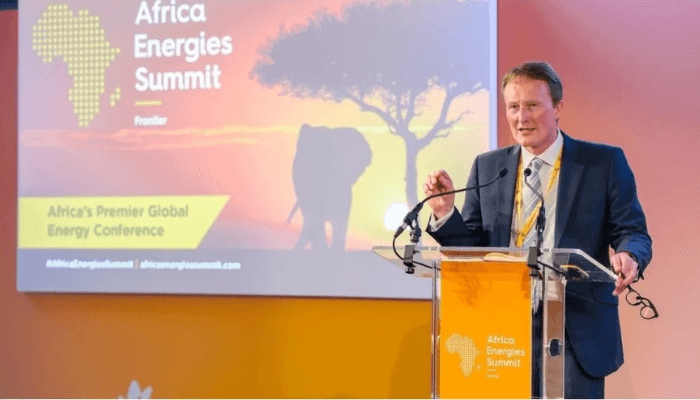
NJ Ayuk, Executive Chairman of the African Energy Chamber, has called on industry stakeholders to boycott the upcoming Africa Energies Summit 2026, accusing the event's organizers of maintaining hiring practices that discriminate against Black Africans, members of the African diaspora, and Arab professionals. Ayuk's remarks have triggered a heated debate within the African energy community, raising broader questions about representation, equity, and control over the narrative surrounding the continent's natural resources. For Ayuk and his supporters, the controversy goes beyond employment policies -- it touches on the long-standing concern that African voices are often marginalized in global discussions about the continent's energy sector. The summit, scheduled to take place from May 11-14 in London, is widely regarded as one of the most prominent international forums dedicated to Africa's upstream oil and gas industry. Organized annually by the energy intelligence platform Africa Energies, the conference typically attracts a high-profile mix of government officials, international investors, exploration companies, financiers, and policy analysts interested in the continent's hydrocarbon opportunities. In previous editions, the event has served as a major platform for announcing investment deals, discussing regulatory reforms, and analyzing exploration prospects across key producing nations such as Nigeria, Angola, and Ghana. Its location in London reflects the city's historic role as a global hub for commodity trading, energy finance, and oil and gas advisory services. However, critics argue that hosting a major conference dedicated to African resources outside the continent already reflects structural imbalances in the industry. Ayuk's allegations have therefore amplified a wider frustration among some African stakeholders who believe the global energy ecosystem continues to treat Africa primarily as a resource base rather than as an equal partner in shaping industry policy and leadership. The boycott call also reflects a growing shift in how African energy advocates engage with international institutions. In recent years, organizations such as the African Energy Chamber have pushed for greater local participation in investment discussions, workforce development, and corporate governance within the sector. Their argument is that Africa's energy future should not be shaped predominantly by external actors whose economic priorities may diverge from the continent's development needs. If the boycott gains traction, it could place pressure on conference organizers and the wider industry to address concerns about inclusivity and representation. At the same time, some analysts caution that disengaging from influential global forums could limit opportunities for African companies and governments to influence investment flows and policy debates. Ultimately, the controversy surrounding the summit highlights a deeper tension within the global energy landscape: the challenge of balancing international investment and collaboration with the demand from African stakeholders for greater ownership of the platforms that shape the narrative around their resources. The call by NJ Ayuk for a boycott of the Africa Energies Summit 2026 has triggered an unusually intense debate within the global energy community, exposing long-standing tensions around representation, equity, and the control of narratives about Africa's natural resources. What began as a protest against alleged discriminatory hiring practices has rapidly evolved into a broader conversation about who speaks for Africa's energy sector and who benefits from the multibillion-dollar industry built around the continent's oil and gas reserves. Industry professionals, policymakers, and analysts from across Africa, Europe, and North America have joined the discussion, highlighting competing perspectives on local content, corporate accountability, and the balance of power in global energy forums. For some, Ayuk's intervention represents a necessary challenge to entrenched structures that have historically marginalized African professionals in international energy institutions. For others, the boycott risks deepening divisions within an industry already grappling with geopolitical pressure, energy transition debates, and the need for sustained investment in African hydrocarbons. A Stand on Principle In a strongly worded public statement shared on social media, Ayuk framed his position not simply as opposition to a single conference but as a broader stand against what he views as systemic exclusion within segments of the global energy ecosystem. "I am just a little country boy and I don't believe we have to be diplomatic about this stuff," he wrote. "I love the oil and gas industry and will always stand up for it even when it is unpopular to do so." The remark, widely circulated across industry platforms, struck a populist tone that resonated with many African energy professionals who have long argued that discussions about Africa's resources are frequently dominated by institutions headquartered outside the continent. Ayuk's message suggested that diplomacy and quiet engagement had not sufficiently addressed the issue, prompting him to adopt a more confrontational stance. Beyond rhetoric, Ayuk's argument rests on a deeper structural critique of the global energy value chain. Africa holds roughly 7-8 percent of the world's proven oil reserves and about 7 percent of global natural gas reserves, yet African professionals often remain underrepresented in senior decision-making positions within multinational energy organizations and global industry events. Critics say this imbalance affects not only employment opportunities but also the framing of policy debates about Africa's energy future. Representation and the Local Content Question Ayuk emphasized that the stakes extend far beyond symbolism. According to him, Africa's oil and gas sector is central to economic growth, industrial development, and job creation across the continent. Countries such as Nigeria, Angola, Mozambique, and Ghana rely heavily on hydrocarbon revenues to fund public services and infrastructure. For that reason, he argued, organizations that benefit from Africa's natural resources should demonstrate a genuine commitment to fairness in employment and representation. His remarks echo a broader push across African producing nations to strengthen local content policies -- regulatory frameworks designed to ensure that domestic workers, companies, and institutions benefit more directly from extractive industries operating within their borders. In Nigeria, for example, the Nigerian Oil and Gas Industry Content Development Act has been used to increase participation by local firms in upstream and service operations. However, Ayuk and his supporters contend that the principle of local participation must also extend beyond project sites and supply chains to include global decision-making spaces, such as international conferences, advisory boards, and industry organizations where strategies and narratives about Africa's energy sector are shaped. A Divided Industry Response The reaction from industry stakeholders has been mixed. Some African executives and analysts have applauded Ayuk for raising uncomfortable but necessary questions about structural inequalities within the global energy industry. They argue that greater African representation in international forums would improve the quality of policy debates and ensure that decisions affecting the continent's resources are informed by local realities. Others, however, caution that calls for boycotts could alienate investors at a time when Africa's oil and gas sector faces mounting pressure from climate policies and declining capital flows into fossil fuel projects. They suggest that engagement, rather than confrontation, may yield more practical results. Regardless of where industry figures stand, the controversy has underscored a deeper shift underway in Africa's energy discourse: a growing insistence that the continent must play a more central role in defining its own energy narrative, particularly as global debates around the energy transition increasingly shape investment decisions and development pathways. In that sense, Ayuk's protest may represent more than a dispute over conference participation. It reflects a broader struggle over voice, influence, and ownership of Africa's energy future -- a debate that is likely to intensify as the continent navigates the complex intersection of resource development, economic growth, and global climate politics. The call for a boycott issued by NJ Ayuk reflects a deeper debate about representation, opportunity, and ownership within Africa's energy sector. At the center of the dispute is the principle of local content, a policy framework adopted by many African governments to ensure that the exploitation of natural resources translates into tangible economic benefits for African citizens, companies, and institutions. For Ayuk, the controversy surrounding the upcoming Africa Energies Summit 2026 is not merely about staffing decisions or conference logistics. Instead, he frames it as a broader struggle over whether Africans will meaningfully participate in shaping the global narrative and commercial direction of their own energy industry. "Local content is an issue for me and many Africans," Ayuk said, emphasizing that the principle is non-negotiable for those advocating stronger African participation in resource development. "I am not going to back down on local content. Never." Local Content as a Strategic Policy Across the continent, local content policies have become a central pillar of energy governance. Countries such as Nigeria, Ghana, and Angola have enacted regulations requiring oil and gas operators to prioritize local employment, technology transfer, and partnerships with domestic firms. These policies emerged from decades of criticism that Africa's natural resources have historically generated enormous profits for multinational companies while leaving host economies with limited industrial development and employment opportunities. As a result, local content initiatives are intended to build domestic expertise in engineering, logistics, finance, and energy services -- ultimately positioning African companies to compete globally. Ayuk's comments suggest that the dispute surrounding the summit touches directly on this larger policy objective. From his perspective, a conference dedicated to Africa's energy future cannot credibly champion investment and development while allegedly excluding Africans from professional participation. Allegations of Exclusion Ayuk has accused the summit's organizers of refusing to hire Black Africans, members of the African diaspora, or Arabs for certain roles, describing the alleged policy as discriminatory and fundamentally at odds with the event's stated mission of promoting Africa's energy sector. He also criticized individuals who, according to him, attempted to justify the alleged hiring practices by questioning the qualifications of African professionals. Such arguments, Ayuk contends, reinforce long-standing stereotypes that undermine the progress African engineers, executives, and technical specialists have made in the global energy industry. "You can't build an African oil narrative going into places where Blacks and Arabs can't work," he wrote, framing the issue as both symbolic and structural. In his view, exclusion from the platforms that shape industry discourse risks sidelining African voices in conversations that directly affect the continent's economic future. Industry Reaction and Broader Implications Although the organizers of the summit have not publicly responded to the allegations, the controversy has already sparked intense debate across the African energy community. Industry stakeholders -- including policymakers, investors, and advocacy groups -- are increasingly scrutinizing how global conferences and institutions engage with African professionals. Beyond the immediate dispute, the episode highlights a persistent tension in Africa's resource sector: who controls the narrative, the opportunities, and ultimately the benefits of Africa's energy wealth. For advocates like Ayuk, ensuring meaningful African participation is not simply a matter of fairness but a strategic requirement for building a sustainable and globally competitive energy industry. Industry Voices React The call by NJ Ayuk to boycott the upcoming Africa Energies Summit 2026 has sparked a wave of debate within the African energy community, exposing deeper tensions about representation, credibility, and ownership of the continent's global energy narrative. Reactions from industry professionals have ranged from strong endorsement of Ayuk's position to more cautious responses urging evidence, institutional accountability, and careful examination of the allegations. The controversy has also reopened long-standing discussions about how Africa is represented in international energy forums that focus heavily on the continent's natural resources. Energy lawyer and commercial advisor Uche Ogbue described the allegations as deeply disturbing if substantiated, emphasizing that claims of discriminatory hiring practices within a conference dedicated to Africa's energy future would represent a profound contradiction. "If this is true, it is odious and disgusting," Ogbue wrote in a public reaction to the issue. He stressed, however, that the seriousness of the accusations requires verifiable evidence -- particularly claims that Black African professionals were allegedly characterized as unqualified for certain roles. According to him, such assertions must be investigated transparently to avoid turning an important discussion into speculation. Beyond the allegations themselves, Ogbue also pointed to a broader structural problem within the continent's professional ecosystem: the willingness of African stakeholders to continue supporting institutions that may not reflect their interests. "Truly disgusting if confirmed," he said, "but we can only blame ourselves as the majority of us will continue to support this nonsense without holding them accountable." For some commentators, Ayuk's stance reflects a wider movement within African policy and business circles to reclaim control over how the continent's energy sector is discussed on the global stage. Pan-African communications strategist Papa Chimère Diop argued that the controversy highlights a deeper issue -- who gets to define Africa's story in industries built on its resources. "Standing on principle is never easy," Diop said. "Africa's story -- in energy or any other sector -- cannot continue to be written by others who neither live its realities nor respect its people." He further suggested that the principle of local content -- often applied to jobs, investment, and procurement in the energy sector -- should extend to communication, policy discourse, and global representation. "If Africans are good enough to produce the resources," he added, "they must also be good enough to shape the narrative around them." The debate, analysts say, reflects a growing shift within Africa's energy industry, where questions of equity, representation, and narrative control are increasingly intertwined with investment, diplomacy, and global energy governance. A Broader Energy Debate The exchange also reignited a wider conversation about the structural challenges shaping Africa's energy future -- particularly the tension between global energy transition goals and the continent's immediate development needs. For many industry observers, the debate goes far beyond one individual or one comment; it reflects deeper questions about investment, energy security, and Africa's role in the global energy system. Renewable energy entrepreneur John Olaoye used the moment to stress the importance of striking a realistic balance between expanding clean energy and sustaining investment in conventional resources. According to him, Africa's energy priorities cannot be separated from the continent's development realities. With hundreds of millions of Africans still lacking reliable electricity, the transition to cleaner energy cannot happen in isolation from broader economic needs. Olaoye argued that while renewable technologies will play an increasingly important role, oil and gas remain essential for powering industries, financing infrastructure, and supporting economic growth in the near term. He emphasized that the core issue is not simply the type of energy investment entering the continent, but how those investments translate into local participation and long-term capacity building. "With the continent still facing a massive electricity deficit, investments in oil, gas, and renewables all have a role to play while building sustainable infrastructure for the future," Olaoye said. Others used the discussion to express support for the outspoken advocacy of NJ Ayuk, whose defense of Africa's hydrocarbon resources has often sparked debate within global climate policy circles. Energy executive Theodore Muluh praised Ayuk's assertive stance, describing it as a necessary counterweight to narratives that frame Africa's oil and gas development as incompatible with climate action. "I love how confident, bullish, and unapologetic you are about oil and gas," Muluh wrote. For many industry professionals, the issue is less about rejecting the energy transition and more about ensuring that Africa's development pathway is determined by African realities rather than external expectations. Health, safety, and sustainability executive Raymond Rodriguez also reflected on the broader social dynamics of working in a global industry that often lacks diversity in leadership and representation. Rodriguez noted that many professionals from underrepresented backgrounds frequently find themselves navigating environments where they are the only voice or perspective like their own. "There have been many occasions where I was the only one like me in the room," he said. "Real change takes time, but it happens because of people who continue to show up, speak up, and push forward." His remarks highlight an additional dimension of the debate: representation and inclusion within the global energy sector, particularly as African professionals seek greater influence in shaping policies that affect the continent's resources. Meanwhile, energy professional Dugald O. C. Hammerslacht suggested that the controversy reflects a long-standing frustration among African industry players regarding perceptions of competence and expertise. Despite decades of experience in exploration, production, and energy project development, he argued that African professionals are sometimes still viewed through a lens of skepticism within parts of the international industry. "It irks when we as Africans are labeled as not having skills in oil and gas," he said. "We have -- and we are capable." Taken together, the reactions underscore a broader shift in Africa's energy conversation. Increasingly, industry voices across the continent are pushing back against narratives that frame Africa primarily as a passive recipient of global energy decisions. Instead, they argue that Africa must be an active participant -- one capable of defining its own energy mix, leveraging its natural resources responsibly, and ensuring that both fossil fuel revenues and renewable investments contribute to long-term economic transformation. In that sense, the debate reflects more than a disagreement over rhetoric. It highlights a deeper struggle over who gets to define Africa's energy future and how the continent balances development, sustainability, and sovereignty in an evolving global energy landscape. Boycott Campaign Planned The controversy surrounding the London conference has now escalated into a potential coordinated boycott by African energy stakeholders, following strong criticism from the African Energy Chamber. The chamber's Executive Chairman, NJ Ayuk, said the organization is preparing to mobilize industry players across the continent to withdraw support from the event, arguing that the discussions planned for the conference risk undermining Africa's development priorities. Ayuk acknowledged that he does not typically endorse boycotts as a policy tool. In his view, such actions can have unintended consequences, including disruptions to markets and potential harm to workers whose livelihoods depend on industry stability. Boycotts can also reduce opportunities for dialogue between stakeholders who hold differing perspectives on energy policy. However, he emphasized that the chamber believes the circumstances surrounding the London conference represent an exceptional case that demands a firm response. According to Ayuk, the framing of discussions about Africa's natural resources -- particularly without what he describes as adequate African representation -- raises concerns about external actors shaping narratives and policies that directly affect the continent's economic future. "Sometimes you have to stand on principle," Ayuk said in a statement explaining the chamber's position. He argued that African stakeholders should not participate in forums that, in his view, risk portraying the continent merely as a supplier of raw resources without adequately considering the developmental aspirations of African nations. As a result, the African Energy Chamber says it will begin organizing what Ayuk described as a "massive boycott campaign." The initiative will encourage African energy companies, policymakers, investors, and industry leaders to reconsider their participation in the London gathering. The campaign will not only target attendance at the conference but also the broader ecosystem of financial and institutional support that enables such events to take place. According to Ayuk, the chamber intends to engage with companies that may be considering sponsorship or other forms of corporate backing for the conference. By raising awareness among industry stakeholders, the chamber hopes to pressure corporations and institutions to evaluate the implications of their involvement. Ayuk stressed that businesses must be conscious of how their financial commitments align with policies or initiatives that may influence Africa's energy future. "Corporations that support these policies need to be held accountable on where they put their dollars," he said. Analysts say the proposed boycott reflects a growing sentiment among some African energy advocates who argue that global energy transition debates sometimes overlook the economic realities facing developing countries. With large portions of the continent still lacking reliable electricity access, many African policymakers maintain that oil and gas development remains essential for economic growth and energy security. Whether the boycott gains widespread traction among African companies and governments remains to be seen. However, the call for collective action signals an increasingly assertive approach by African industry groups seeking a stronger voice in global discussions about the continent's energy resources and development pathways. A Defining Moment for African Industry Representation The controversy surrounding the proposed boycott of the London conference comes at a pivotal moment in the evolution of Africa's energy diplomacy and industry representation. Over the past decade, African governments, policymakers, and private-sector leaders have increasingly asserted that the continent must play a central role in shaping the global conversation about its vast natural resources. The debate sparked by the conference has therefore become more than a dispute about participation -- it has evolved into a broader reflection on power, voice, and ownership in the global energy discourse. At the heart of the issue is a longstanding concern among African stakeholders that discussions about the continent's energy future are too often dominated by external actors -- international governments, financial institutions, advocacy groups, and multinational corporations -- whose priorities may not fully align with Africa's development realities. Organizations such as the African Energy Chamber have repeatedly argued that Africa's energy transition and resource development strategies must be determined primarily by those who live with the consequences of those decisions. This perspective has gained momentum in recent years as African countries confront a complex balancing act: expanding energy production to support economic growth and industrialization while also responding to global pressures to reduce carbon emissions. Many African leaders contend that decisions about how quickly the continent should transition away from fossil fuels cannot be dictated solely by external climate agendas, especially when hundreds of millions of Africans still lack reliable access to electricity. In this context, the dispute over representation at international forums carries symbolic weight. Critics of the London event argue that when conferences about Africa's resources fail to adequately include African voices -- whether policymakers, entrepreneurs, engineers, or researchers -- they reinforce historical patterns in which the continent's assets are discussed, regulated, and sometimes exploited without meaningful African leadership. Whether the proposed boycott ultimately attracts widespread backing remains uncertain. Some industry participants may still choose engagement over protest, arguing that attending the event could provide an opportunity to challenge narratives directly. Others believe a coordinated withdrawal would send a stronger message about the need for equitable representation. Regardless of the immediate outcome, the controversy has already ignited an important conversation about legitimacy and inclusion in global policy forums. Increasingly, African stakeholders expect international gatherings focused on the continent's resources to reflect the diversity, expertise, and leadership present within Africa itself. For NJ Ayuk and many of his supporters, the matter ultimately comes down to principle and respect. The argument resonates strongly across industry circles: if African countries are trusted to produce the resources that power global economies, they should also be trusted to shape the narrative and policies that determine how those resources are developed. As one participant in the ongoing debate succinctly put it, the issue is not merely about attendance at a conference -- it is about recognition of Africa as an equal partner in defining its own energy future. Source: https://businessday.ng/news/article/calls-for-boycott-as-allegations-cloud-africa-energies-summit-2026/
Leave a Reply
Your email address will not be published. Required fields are marked *