
Nigeria's power generation drops below 4,000MW as gas shortage hits plants
- Super Admin
- 06 Mar, 2026

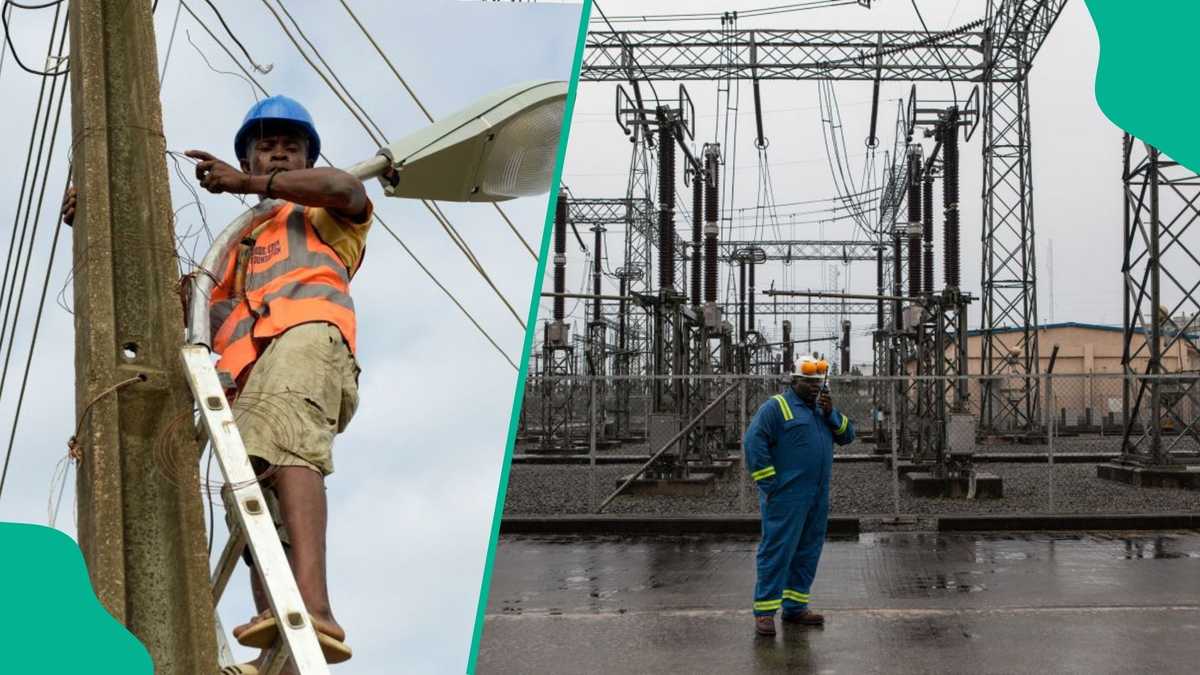
CHECK OUT: Discover How to Work with Brands, Earn from Affiliate Links, and Tap into Ad Revenue -- Because Your Content Deserves to Pay Off. Oluwatobi Odeyinka is a business editor at Legit.ng, covering energy, the money market, technology and macroeconomic trends in Nigeria. Electricity generation in Nigeria has fallen below the 4,000-megawatt mark following persistent gas supply shortages affecting thermal power plants, the Nigerian Independent System Operator (NISO) has said. In a statement issued on Thursday, the system operator disclosed that total electricity generation on the national grid stood at 3,940.53 megawatts as of 5:00 a.m. on March 5, 2026. The agency attributed the decline to ongoing gas supply constraints affecting several gas-fired power stations. As reported by PUNCH, the operator stated that the generation level was already below expected capacity because many plants were operating with limited fuel supply. "The Nigerian Independent System Operator wishes to inform stakeholders and the public of the continued decline in electricity generation on the national grid arising from persistent gas supply constraints affecting several thermal power plants," the statement quoted said. The agency explained that the situation worsened shortly after the early morning reading when several generating units were forced to shut down. NISO said between 6:00 a.m. and 8:00 a.m., some power generation units went offline due to insufficient gas supply, resulting in a further reduction of about 292 megawatts in available generation. The development comes weeks after the system operator issued an earlier warning in February 2026 about similar fuel supply problems. At the time, electricity generation had already dropped to around 4,300 megawatts, reflecting the impact of limited gas availability. With the latest figure now below 4,000MW, the new data indicates a deeper decline in generation capacity and highlights the continued pressure on Nigeria's electricity system. Operational data obtained by PUNCH from NISO showed that thermal power plants connected to the national grid require about 1,588.61 million standard cubic feet of gas per day to operate at optimal capacity. However, the actual gas supply to the plants is currently about 652.92 million standard cubic feet per day, which represents roughly 40% of the required volume. The agency noted that the supply gap has significantly limited the ability of thermal power plants to generate electricity at full capacity, contributing to the reduced power supply experienced in parts of the country. "NISO is actively working with the affected Generation Companies and relevant gas suppliers to closely monitor the situation and facilitate the restoration of generation as soon as gas supply to the affected plants stabilises," the statement added. The system operator also stated that it is implementing operational measures to maintain grid stability despite the reduced generation capacity. Nigeria's electricity generation depends heavily on gas-fired thermal plants, which provide more than 70% of power supplied to the national grid. However, the sector has continued to face recurring gas supply disruptions caused by pipeline vandalism, limited gas infrastructure, payment disputes between power producers and gas suppliers, and the diversion of gas to export markets. Despite Nigeria's large natural gas reserves, power plants often operate below installed capacity due to these supply challenges. The government has repeatedly promised to address the issue through policies aimed at increasing domestic gas production, expanding pipeline infrastructure and strengthening payment systems within the power sector. NISO said it would continue to keep electricity consumers and other stakeholders informed about developments affecting generation and the national grid. Legit.ng earlier reported that President Tinubu has approved N2.8 trillion as verified electricity subsidy debt owed to GenCos. The president reportedly rejected the operators' N6 trillion claim after a government audit. While the president said payments will be made in phases, with half expected to be settled by mid-year, GenCos insisted they were not carried along in the debt reconciliation exercise. Source: https://www.legit.ng/business-economy/energy/1699895-nigerias-power-generation-drops-4000mw-gas-shortage-hits-plants/
Leave a Reply
Your email address will not be published. Required fields are marked *