
Beyond force majeure, our lives matter as journalists, By Duku Igbahemba Joel
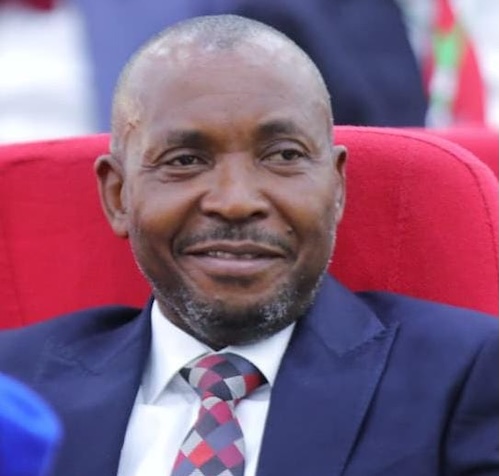
- Super Admin
- 06 Mar, 2026

The death of a journalist in the line of duty is not merely a personal loss. It is a democratic wound. I write this piece with a bleeding heart and grief for the family of our departed colleague, the NUJ community and Channels Television Group. While we mourn and grieve for our dear colleague, this is not just about one crash in Bauchi. It is about the chronic relegation of journalists' safety, security and welfare to the margins whenever government agencies, ministries, or politicians organise official trips. The recent tragedy involving a bus conveying journalists on official assignment in Bauchi State was more than a road accident. It is a painful reminder of a systemic failure that has long been ignored. A vehicle arranged for members of the press covering the North-East Development Commission reportedly lost control and veered off the road, leaving several journalists seriously injured. Although the victims were rushed for medical care, one of them, Kani Ben of Channels Television, succumbed to the cold hands of death at the Abubakar Tafawa Balewa University Teaching Hospital, Bauchi. Predictably, the language of "unfortunate incident" and "force majeure" will dominate official reactions. But we must ask: when does recurring negligence stop being an accident and start becoming institutional indifference? I write this piece with a bleeding heart and grief for the family of our departed colleague, the NUJ community and Channels Television Group. While we mourn and grieve for our dear colleague, this is not just about one crash in Bauchi. It is about the chronic relegation of journalists' safety, security and welfare to the margins whenever government agencies, ministries, or politicians organise official trips. Quite frankly, journalists are what I describe as the "Invisible Risk Carriers of Democracy" as we are routinely invited to cover commissioning ceremonies, project inspections, political rallies, humanitarian interventions, and security briefings. We are expected to document governance, amplify public messaging, and serve as conduits between the state and citizens. Yet, when logistics are arranged, journalists are often treated as afterthoughts. At the risk of sounding immodest, journalists are often packed into poorly maintained buses. They are assigned the oldest vehicles in convoys. They travel without clear safety briefings. They are rarely provided with medical support teams, emergency response protocols, or insurance coverage. While top officials move in bulletproof SUVs with escorts and backup vehicles, the press bus trails behind, vulnerable and expendable. This disparity exposes a troubling hierarchy of value: "power is protected; accountability is transported at risk". In many official journeys, the conversation centres on protocol, security for dignitaries, media optics, and political messaging. Rarely does anyone ask: When accidents occur, they are quickly labelled as unavoidable mishaps. But roadworthiness, driver fatigue, convoy speed coordination, and proper insurance are not acts of God. They are matters of planning and responsibility. Calling such incidents "force majeure" conveniently removes accountability from those who organised the trip. I dare to say that this is a 'Structural Problem, Not a One-Off Tragedy.' This is not the first time journalists covering official functions in Nigeria have faced life-threatening conditions. Across the country, members of the press routinely endure hazardous travel arrangements; exposure to violent environments without protective gear; lack of hazard allowances; and the absence of comprehensive health or accident insurance. Ironically, journalists covering conflict in the North-East, including insurgency-affected areas, often operate under extreme risk. Yet, even during routine official assignments in relatively stable locations, basic safety guarantees remain absent. It is sad to conclude that the profession that informs the nation is itself structurally insecure. My submission is that this tragedy demands introspection within the professional mother body, Nigeria Union of Journalists (NUJ), and I pause to ask the following questions: If the answers to these questions are uncertain or negative, then reforms are overdue. Membership dues must translate into tangible welfare protection, not only press cards and congress meetings. A mandatory national group accident and life insurance scheme for accredited journalists is no longer optional. It is an ethical necessity. There is a dangerous culture in which journalists are perceived as accessories to governance, rather than essential democratic actors. This perception fuels complacency about their welfare and must be discouraged forthwith. Yet, without journalists: The press is not ornamental. It is constitutional in function, even if not always constitutionally entrenched in welfare guarantees. Section 39 of the 1999 Constitution(as amended) of the Federal Republic of Nigeria protects the right to freedom of expression and the press. Additionally, section 22 of the same constitution directs the press to hold government accountable to the people. The deep rooted constitutionality of the press is therefore not a mere pronouncement but a legality enshrined in our ground norm and must be obeyed. A society that benefits from journalistic labour must also invest in journalistic protection. The only way forward for us is not to allow this moment to dissolve into condolence statements. It must produce structural change. 1. Mandatory Insurance Coverage All government agencies and political offices inviting journalists for official assignments must provide verifiable group accident insurance covering death, disability, and medical emergencies for the duration of the trip. 2. Union-Led National Insurance Scheme The NUJ and other professional bodies should establish a compulsory nationwide insurance policy funded through structured contributions and institutional partnerships. 3. Safety Protocol Framework A formal "Journalists' Travel Safety Protocol" should be developed, requiring: No journalist should board an official convoy without assurance of these minimum standards. 4. Legal Accountability Where negligence is established, whether due to faulty vehicles, reckless driving, or failure to provide safety arrangements, responsible institutions must be held liable under civil law. 5. Welfare Trust Fund A permanent Journalists' Welfare and Emergency Fund should be institutionalised to support families of deceased or incapacitated journalists. Beyond Sympathy The death of a journalist in the line of duty is not merely a personal loss. It is a democratic wound. If we continue to treat such incidents as unavoidable misfortune, we perpetuate a system in which journalists are essential in rhetoric but disposable in logistics. The tragedy in Bauchi must mark a turning point. Government agencies, media proprietors, unions, and journalists themselves must demand a recalibration of priorities. Because beyond press releases and protocol, beyond excuses and force majeure, one truth remains: Source: https://www.premiumtimesng.com/opinion/861820-beyond-force-majeure-our-lives-matter-as-journalists-by-duku-igbahemba-joel.html
Leave a Reply
Your email address will not be published. Required fields are marked *