
IWD 2026: NGO seeks stronger protections, inclusive policies for women
- Super Admin
- 08 Mar, 2026

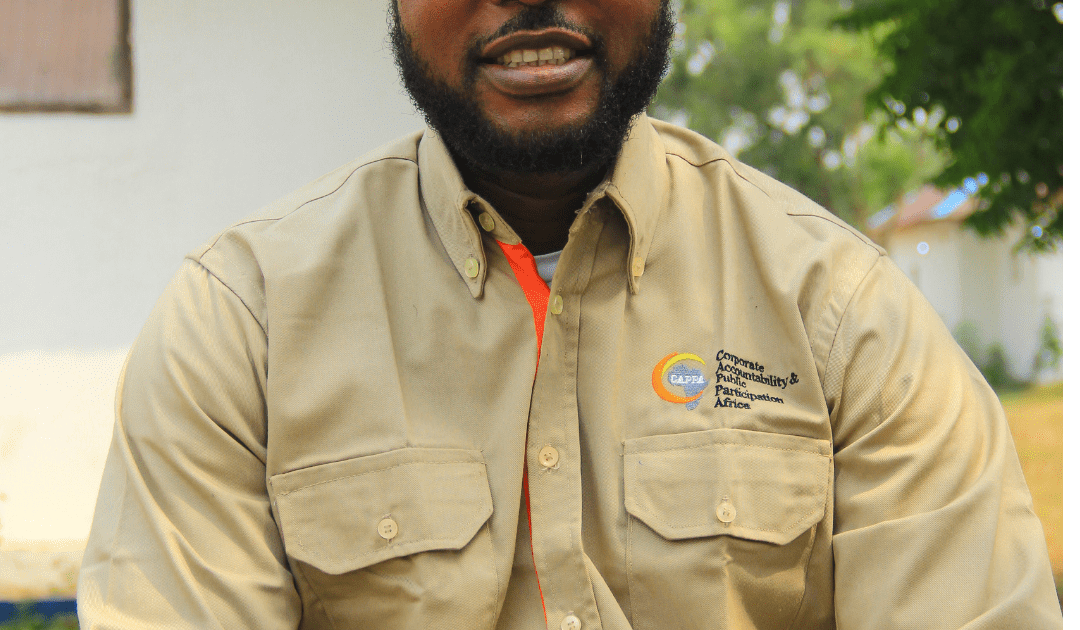
A Non-Governmental Organisation, Corporate Accountability and Public Participation Africa, has urged the Federal Government and state authorities to strengthen protections and adopt more inclusive policies for women as the world marks the 2026 International Women's Day. In a statement issued on Sunday, the organisation said the theme of this year's celebration, 'Give to Gain,' reflects the reality that Nigerian women continue to shoulder a large share of the labour that sustains families, communities and the wider economy. The statement was issued by the Media and Communications Officer, CAPPA Robert Egbe. CAPPA stated that women across the country play central roles in managing household resources, caring for children and relatives, and helping families cope with challenging economic conditions. Despite these responsibilities, the group said "many women and girls still lack access to the basic services and protections necessary for a dignified life. "The group pointed out that millions of Nigerian women struggle to access safe water, sanitation, healthcare, education, and other essential services." The group also expressed concern about the persistence of gender-based violence in the country. Citing the Nigeria Demographic and Health Survey, CAPPA said about 31 per cent of Nigerian women aged 15 to 49 have experienced physical violence. In comparison, about 9 per cent have faced sexual violence at some point in their lives. It added that more than 10,326 cases of gender-based violence were reported between January and September 2025. CAPPA noted that concerns about femicide have also continued to grow in Nigeria, with civil society groups and advocates repeatedly urging authorities to treat the killing of women as a national emergency and strengthen both prevention and accountability measures. The organisation said economic inequality further compounds the challenges faced by women. It cited data from the National Bureau of Statistics showing that women are more likely to work in low-income or informal sectors where job security and social protection are limited. According to the group, women farmers, traders and small business owners often struggle to access credit, land and other resources needed to expand their livelihoods. Rising living costs, it added, are placing additional pressure on women who are responsible for managing household welfare. CAPPA also highlighted the low level of women's representation in political decision-making. "It stated that women currently occupy about 3.9 per cent of legislative seats in Nigeria, one of the lowest rates globally. Out of 469 members of the National Assembly, only 19 are women, including 15 in the House of Representatives and four in the Senate. "Nigeria ranks 180 out of 185 countries in the Inter-Parliamentary Union global ranking for women's parliamentary representation and remains the lowest-ranked country in Sub-Saharan Africa. "The organisation added that even the few women who have broken through into political leadership still face sexism, exclusion, and the undermining of their contributions or positions as equals in male-dominated political environments. "These realities expose a clear contradiction. Nigerian women give so much to sustain society, yet many continue to live within systems that fail to guarantee their safety, health, political participation, and economic security," the organisation stated. CAPPA said the theme "Give to Gain" should be seen as a call for accountability, urging governments at all levels to recognise the contributions of women by creating conditions that allow them to live and lead with dignity. The statement advised, "The organisation called for stronger investment in public services such as water, healthcare, sanitation, and education, as well as stronger laws and enforcement mechanisms to prevent and respond to gender-based violence. "It also stressed the need to protect civic space so that women leaders, organisers, and advocates can carry out their work without fear of intimidation or repression. "Policymakers must address the unequal burden of unpaid care work through measures such as affordable childcare, paid family leave, and infrastructure improvements that reduce time poverty for women. It also called for gender responsive budgeting, improved access to credit for women entrepreneurs, and policies aimed at closing the gender pay gap." On political participation, CAPPA said legislative reforms such as the "proposed Special Seats for Women Bill could help increase women's representation and ensure women play a stronger role in shaping national policies. It called for the swift passage of the bill.* The organisation reaffirmed its commitment to working with women across Nigeria who are organising around critical issues affecting their communities. "As we reflect on the theme 'Give to Gain', true progress for Nigeria lies in recognising and reciprocating the contributions of its women. "Investing in women's rights remains fundamental to building a just and sustainable future for all Nigerians," the organisation concluded. Source: https://punchng.com/iwd-2026-ngo-seeks-stronger-protections-inclusive-policies-for-women/
Leave a Reply
Your email address will not be published. Required fields are marked *