
Why digital asset education could be Nigeria's best unemployment cure - Kaylabit CEO - Businessday NG
- Super Admin
- 08 Mar, 2026

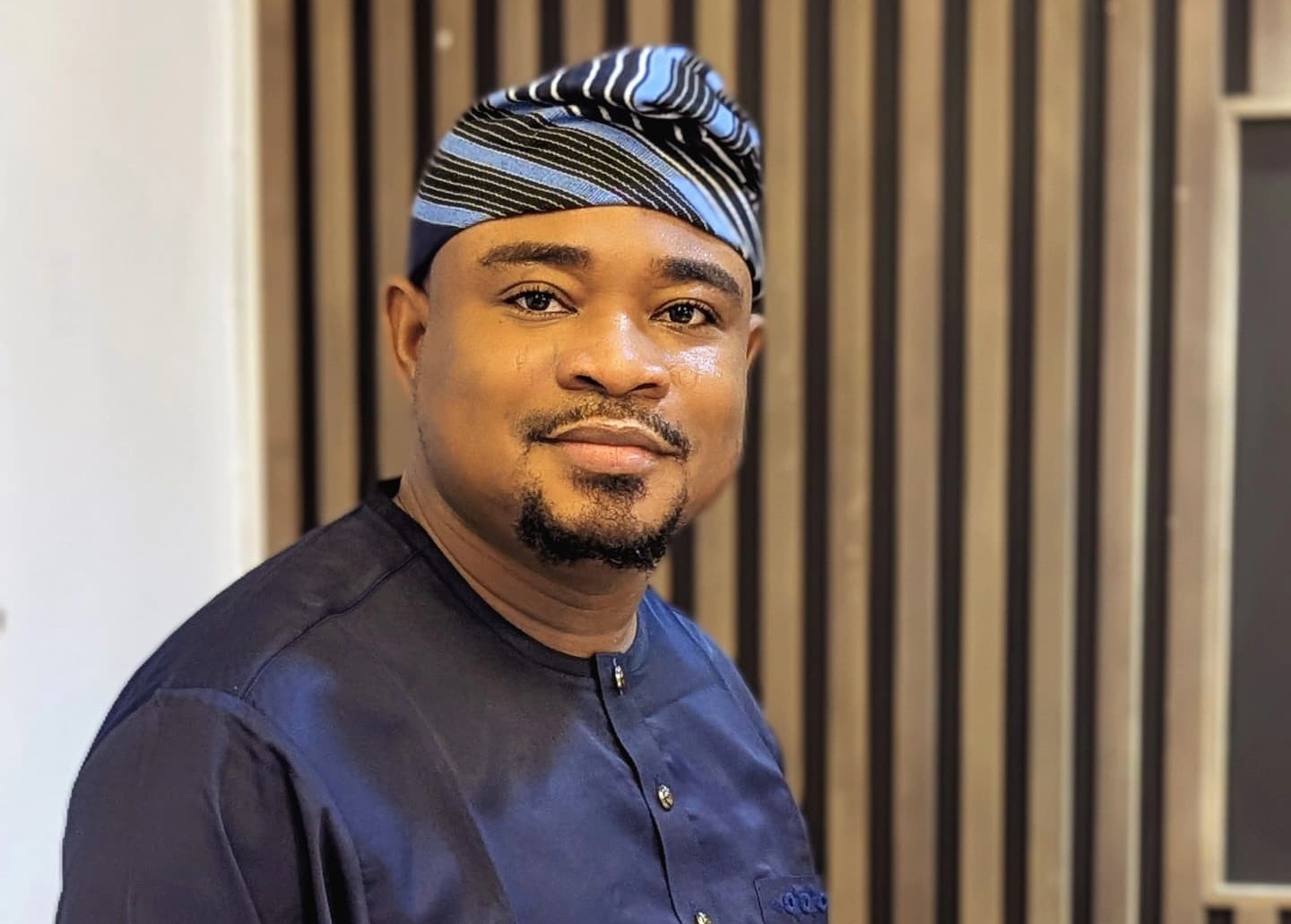
In the fast-evolving landscape of Nigerian fintech, Kehinde Lawal, the CEO of Kaylabit, is carving out a middle ground that many thought impossible. While the industry has long been split between traditional banking and speculative digital asset trading, Lawal has introduced a Hybrid Model designed to solve the "financial friction" of everyday Nigerians. Against the backdrop of the Investments and Securities Act 2025 and a newly implemented 25 percent tax on digital gains, Lawal sits down with IFEOMA OKEKE-KORIEOCHA to explain why the future of finance isn't just about "holding" assets -- it's about using them to buy airtime, pay bills, and build global careers. From advocating for a Regulatory Sandbox to proposing a blockchain-based curriculum to slash unemployment by 2030, Lawal reveals how Kaylabit is transforming a perceived high-risk gamble into a sustainable professional ecosystem. Most fintech founders start with traditional banking. What was the specific moment that convinced you that digital assets -- and specifically a hybrid model like Kaylabit -- was the answer to Nigeria's financial friction? Nigeria has a very active digital economy, but our financial systems are still limited when it comes to speed, accessibility, and global transactions. The moment that really shaped my thinking was seeing how difficult it still is for many Nigerians to move money across borders or even access digital financial tools easily. Digital Assets opened a new possibility. It allows faster, borderless transactions and gives people more control over their money. But we also realized that many people still rely on traditional currency for daily needs. That is why KaylaBit was built as a hybrid platform, where users can interact with both digital assets and fiat seamlessly. Our goal is to reduce the everyday financial friction Nigerians experience. You've mentioned that Kaylabit is about more than just "holding" coins; it's about spending them. Why is the transition from "speculative trading" to "daily utility" so central to your personal mission? For a long time, digital assets in Nigeria has mostly been viewed as a trading asset. People buy and hold hoping the price will increase. While trading is part of the ecosystem, the real power of digital assets is utility. It should help people solve real-life problems. At KaylaBit, we want users to be able to do everyday things like buy airtime, pay bills, plan events, and purchase tickets using either digital assets or fiat. When digital assets moves from being just an investment tool to something people can actually use daily, that is when the technology becomes truly valuable for society. With the Investments and Securities Act 2025 officially classifying digital assets as securities, how has this changed your operational strategy? Do you feel the current SEC oversight provides enough "room to breathe" for local startups? The classification of digital assets under the Securities and Exchange Commission Nigeria is a significant step toward regulatory clarity. For companies like KaylaBit, regulation provides a framework that helps build trust with users and investors. It encourages transparency and responsible innovation. However, startups still need room to experiment and grow. The regulatory environment should continue evolving in a way that protects users while also allowing local fintech companies to innovate without excessive barriers. In 2026, we are seeing a focus on taxing digital assets gains (up to 25 percent for individuals). In your view, what non-tax regulations should the government prioritize to actually encourage the sector rather than just monitor it? Taxation is only one part of building a healthy digital asset ecosystem. What the industry needs more urgently are clear operational guidelines, licensing structures, and consumer protection frameworks. For example, stronger collaboration between regulators and fintech companies could help create better KYC standards, clearer compliance pathways, and education for users about digital assets. When regulation focuses on structure and innovation, the industry can grow responsibly and contribute more meaningfully to the economy. Would you advocate for a more robust "Regulatory Sandbox" approach where young fintechs can test cross-border digital assets-to-fiat settlements without the immediate burden of the N500 million paid-up capital requirement? Yes, a regulatory sandbox would be extremely beneficial for innovation. Early-stage startups often have strong ideas but limited capital. A sandbox environment allows them to test products under regulatory supervision without the full burden of large financial requirements. This approach encourages experimentation while still maintaining oversight. Many countries have successfully used regulatory sandboxes to support fintech innovation, and Nigeria could benefit greatly from expanding this model. There is a lingering debate about whether digital assets trading is a "real" job or just a high-risk gamble. From your data at Kaylabit, do you believe thousands of young Nigerians are now gainfully and sustainably employed through the digital asset ecosystem? The digital asset ecosystem goes far beyond trading. There are people working as developers, analysts, educators, community managers, content creators, marketers, and blockchain engineers. These are legitimate professional roles that contribute to the broader digital economy. At KaylaBit, we see young Nigerians actively participating in this ecosystem not just as traders but as professionals building careers around digital finance and blockchain technology. So the ecosystem is definitely creating new economic opportunities for young people. If digital assets were to be fully integrated into the Nigerian educational curriculum or vocational training, what specific impact do you think it would have on the national unemployment rate by 2030? Introducing blockchain and digital asset education into schools and vocational training could have a major impact. It would equip young Nigerians with skills that are relevant in the global digital economy. This includes blockchain development, digital finance, cybersecurity, and fintech innovation. By 2030, this could help create a new generation of professionals who can work both locally and globally in the digital economy. Ultimately, education in this space can contribute to reducing unemployment by preparing young people for emerging industries. Source: https://businessday.ng/bd-weekender/article/why-digital-asset-education-could-be-nigerias-best-unemployment-cure-kaylabit-ceo/
Leave a Reply
Your email address will not be published. Required fields are marked *