
IMANI: No peace in the Middle East: Iran-US conflict hits home for Kenyans
- Super Admin
- 08 Mar, 2026

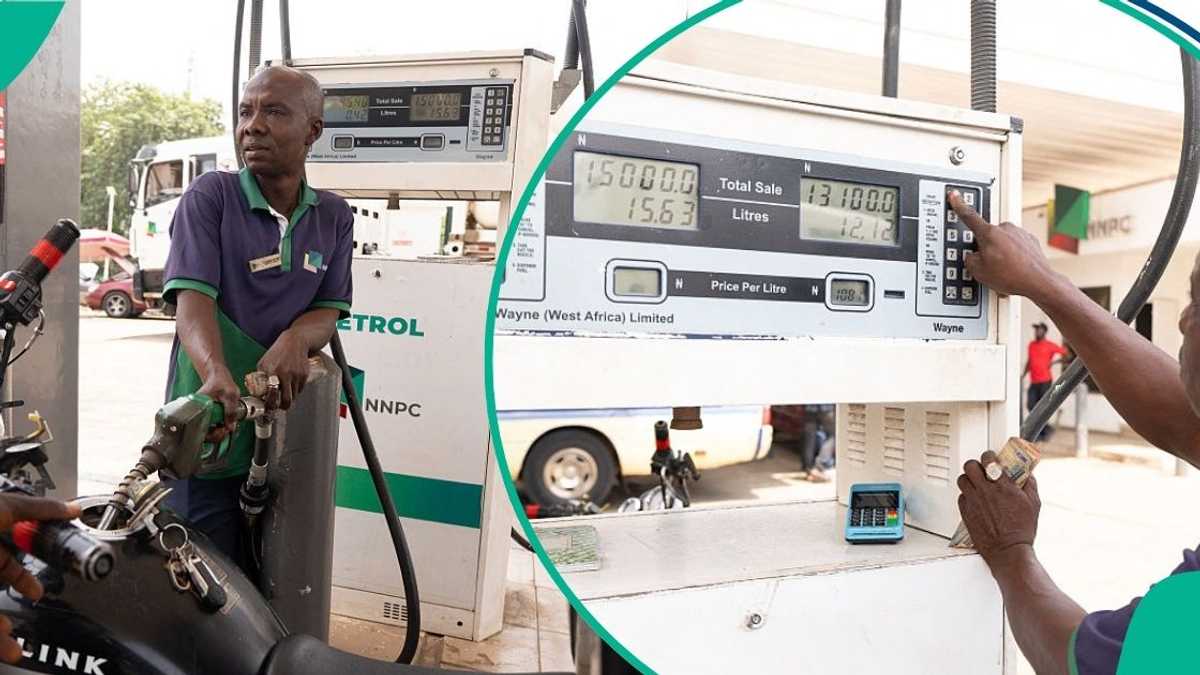
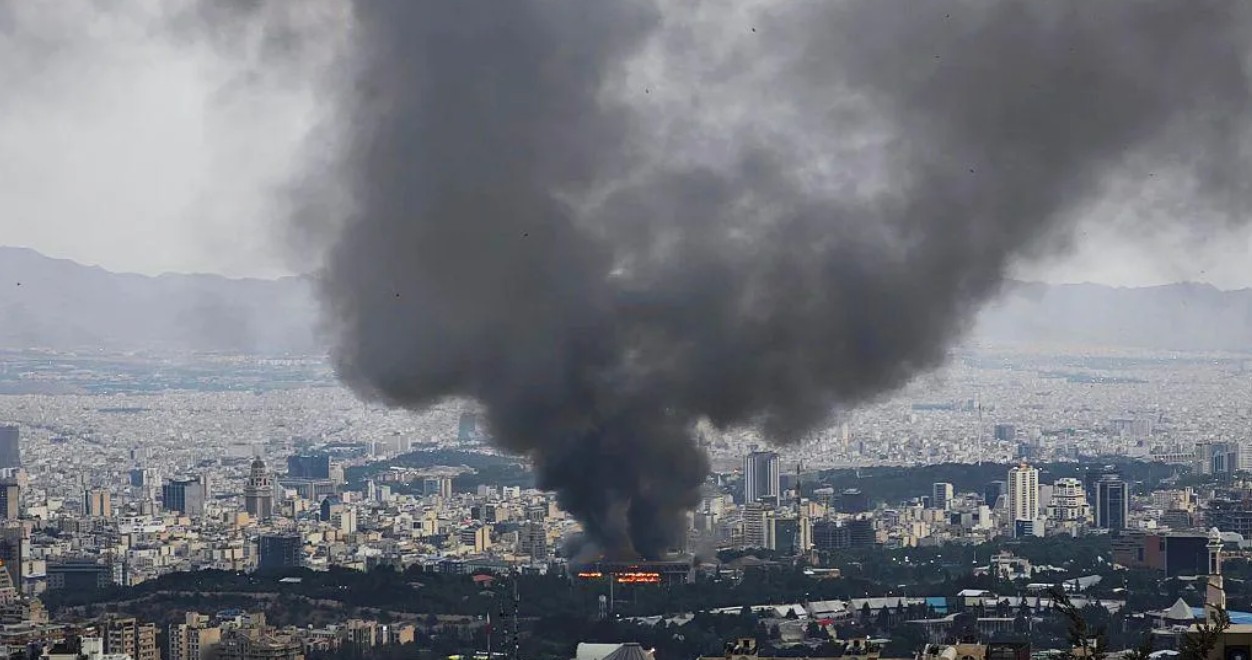
There are currently about 400,000 Kenyans living and working across the Middle East, with significant concentrations in Dubai, Riyadh and Doha. The widening conflict between US-Israeli forces and Iran has plunged the Middle East into one of its most dangerous crises in decades, with shockwaves already reaching Kenyan shores. As retaliatory strikes continue across the Gulf region following the killing of Iran's Supreme Leader Ayatollah Ali Khamenei, Kenya finds itself in a precarious 'Goldilocks' dilemma -- trying to remain a loyal security partner to the West without becoming collateral damage in a conflict that threatens its economic recovery and the lives of nearly half a million of its citizens. For ordinary Kenyans, the consequences are immediate and palpable. The safety of the Kenyan diaspora has emerged as the perhaps most urgent domestic concern. There are currently an estimated 400,000 Kenyans living and working across the Middle East, with significant concentrations in Dubai, Riyadh and Doha. The regionalisation of the conflict has turned these economic hubs into potential targets. Reports of Iranian missiles damaging infrastructure in Dubai and striking US naval bases in Bahrain have sent shockwaves through the diaspora community. In response, the State Department for Diaspora Affairs has activated a 24-hour emergency hotline and urged all nationals in the region to register with local embassies immediately. While the government has not yet initiated a mass evacuation, the suspension of Kenya Airways flights to Dubai and Sharjah signals a deepening crisis. The aviation chaos also means trade with the Middle East, which surged to Sh164.6 billion in exports last year, now hangs in the balance. Trade Cabinet Secretary Lee Kinyanjui has warned that exports of meat, vegetables, coffee, tea and flowers to key markets including Iran, UAE, Israel and Saudi Arabia face direct disruption. Meanwhile, imports worth Sh554.5 billion annually -- including refined petroleum products that power homes and industries -- face uncertain supply chains as shipping near the Strait of Hormuz grinds to a halt. The fuel price implications are dark. Global Brent crude jumped 10 per cent following Iranian threats to the Strait of Hormuz, through which 20 per cent of the world's oil passes. Because Kenya imports the bulk of its refined petroleum from the Gulf states currently under fire, any prolonged maritime disruption will inevitably trigger a spike in electricity costs and transport fares, further squeezing a population already grappling with high inflation. President William Ruto has broken his silence on the crisis, posting on X that the regionalisation of the conflict poses a grave threat to international peace and security. Breaking his silence on Monday, the President condemned the strikes on neutral Gulf states like Oman, Kuwait, and Jordan, describing the escalation as a grave threat to international peace. His condemnation of retaliatory Iranian strikes on Gulf states drew immediate attention, but the government's diplomatic stance is more nuanced than simple alignment. Kenya's foreign policy in this crisis is dictated by a "look West for security, look East for trade" strategy that is now being tested to its limits. Nairobi is a major beneficiary of US security assistance, hosting Camp Simba at Manda Bay, yet it has spent the last three years aggressively courting Middle Eastern markets. Behind the scenes, Prime Cabinet Secretary Musalia Mudavadi has held direct talks with Iranian Ambassador Ali Gholampour, expressing Kenya's displeasure at the humanitarian catastrophe while emphasising the country's opposition to violations of territorial integrity and sovereignty. This calibrated response -- condemning the escalation without publicly apportioning blame to either side -- reflects Kenya's careful effort to maintain working relationships with all parties. The Iranian mission in Nairobi responded in kind. Ambassador Gholampour recently sought to de-escalate local fears by clarifying that Tehran's missiles have a 2,000-kilometre range limit, intentionally keeping East Africa out of the line of fire. He further reassured Nairobi that Iranian forces would not target US bases on Kenyan soil, provided Kenya is not used as a launchpad for strikes against Iran. His message was unambiguous: Iran values its historical ties with Kenya and distinguishes between Nairobi's sovereign choices and Washington's military actions. Asked directly whether Ruto's critical statement would affect bilateral relations, the ambassador downplayed the matter, emphasising that all UN members have a responsibility to defend international peace. For the estimated hundreds of thousands of Kenyans working across the Middle East, the situation remains perilous but not yet catastrophic. The Ministry of Foreign Affairs has issued urgent advisories covering nine countries: Iran, Israel, Qatar, UAE, Bahrain, Kuwait, Saudi Arabia, Jordan and Iraq. Principal Secretary Korir Sing'oei confirmed the government is in close communication with its diplomatic missions, urging citizens to exercise heightened vigilance as the situation remains fluid. Kenyans have been directed to register immediately with embassies, limit non-essential movement -- particularly near military installations and crowded public spaces -- and comply strictly with host government instructions. Yet opposition figures argue this is insufficient. Democratic Party leader Justin Muturi has called for immediate evacuation, warning that about 500,000 Kenyans face potential annihilation. He labelled the government's labour export strategy reckless, arguing it exposes vulnerable citizens without adequate protection mechanisms. The government's approach thus far reflects best practice in crisis diplomacy: public calls for de-escalation through multilateral institutions, private engagement with all parties and strict adherence to UN Charter-based mechanisms for dispute resolution. As PS Sing'oei said, Kenya stands in solidarity with nations demanding a return to international legal frameworks. This aligns with emerging African responses. The African Union has expressed deep concern, with Nigeria, Ghana and Senegal joining Kenya in urging restraint. The continent shares common anxieties: disruption to energy transit routes, oil price volatility and ripple effects on already strained economies. But for Kenya, now could be the time to heighten the acceleration of trade diversification to reduce vulnerability to regional shocks, which the Trade ministry is already pursuing . Kenya cannot control events in Tehran, Washington or Tel Aviv. But it can ensure its response reflects constitutional values, international law and the protection of its people -- wherever they may be. Source: https://www.the-star.co.ke/news/2026-03-08-kenyans-in-distress-as-iran-us-conflict-hits-home
Leave a Reply
Your email address will not be published. Required fields are marked *