
Food Prices Drop By 50%, 25Million Tonnes Of Maize Need In Nigeria Yearly - FG
- Super Admin
- 07 Mar, 2026

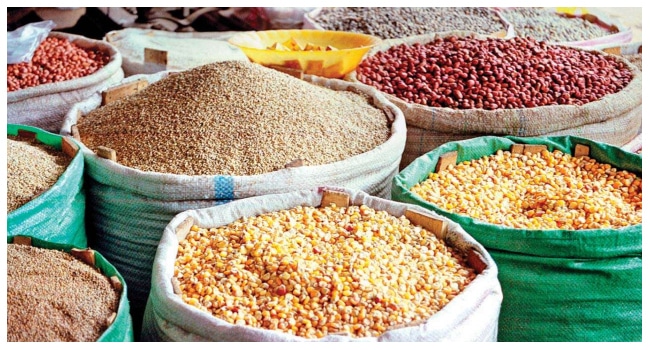
The Federal Government has said Nigeria requires no fewer than 25 million tonnes of maize annually to meet national demand and strengthen food security across the country. Naija News reports that the Minister of State for Agriculture and Food Security, Aliyu Abdullahi, disclosed this on Friday, March 6, during the Quarterly Citizens and Stakeholders' Engagement Meeting held in Abuja. Abdullahi said the government had intensified efforts to boost local agricultural production in order to meet rising food demand while reducing reliance on imports. According to him, expanding domestic production remains a key priority of the administration of President Bola Tinubu. "Our focus is on expanding local production so affordable and nutritious food becomes accessible to every Nigerian," the minister said. The minister noted that government interventions in the agricultural sector were already producing measurable results, particularly in the prices of essential food commodities. He said recent data indicated a significant drop in the prices of major food items across the country. "Our efforts are paying off. Prices of major food commodities have dropped by about 50 per cent across the country," Abdullahi said. "These efforts reflect our commitment to improving food security and citizens' well-being. We are addressing high input costs to sustain an affordable food supply." He explained that the government was focusing on reducing the cost of production for farmers, including improving access to inputs and strengthening support systems within the agricultural sector. Abdullahi said the Federal Ministry of Agriculture and Food Security was prioritising key agricultural value chains as part of broader efforts to reposition Nigeria as a major player in global agriculture. According to him, the government has identified rice, maize and wheat as priority crops capable of driving large-scale agricultural growth. "We have prioritised rice, maize and wheat value chains, creating opportunities for millions of smallholder farmers and other stakeholders," he said. The minister explained that investments across the value chains would not only increase production but also stimulate job creation and expand agro-industrial activities nationwide. He added that the ongoing reforms were designed to transform the country's agricultural landscape and improve productivity across priority crops. Abdullahi said the ministry's policies and programmes were aligned with the administration's economic blueprint known as the Renewed Hope Agenda. According to him, the goal is to ensure Nigeria becomes self-sufficient in food production. "The goal is clear: Nigeria must produce what it consumes and consume what it produces," he said. He emphasised that achieving food sovereignty would reduce Nigeria's vulnerability to global food supply disruptions while strengthening the nation's economy. The minister also called on stakeholders in the agricultural sector to work closely with state ministries of agriculture to accelerate food production nationwide. He stressed that collaboration among government agencies, farmers, investors and development partners was critical to achieving sustainable agricultural growth. "Together we can transform Nigeria's food system and ensure sustainable agricultural growth for the benefit of all Nigerians," Abdullahi said. Abdullahi described the quarterly engagement as part of the ministry's effort to promote transparency, accountability and inclusive governance in policy formulation and implementation. "This platform underscores the importance of stakeholder engagement in shaping sound policies and ensuring effective implementation," he said. He added that the initiative would help strengthen partnerships aimed at ensuring food remains available, accessible and affordable across the country. Naija News reports that the meeting was attended by representatives from the media, civil society organisations, farmers' associations, agro-allied businesses, development partners, donor agencies and various government institutions. Source: https://www.naijanews.com/2026/03/07/food-prices-drop-by-50-25million-tonnes-of-maize-need-in-nigeria-yearly-fg/
Leave a Reply
Your email address will not be published. Required fields are marked *